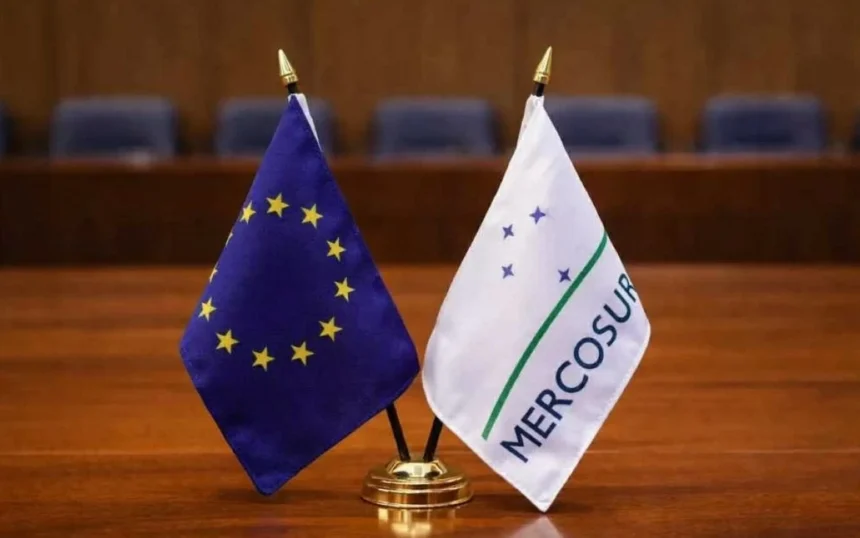
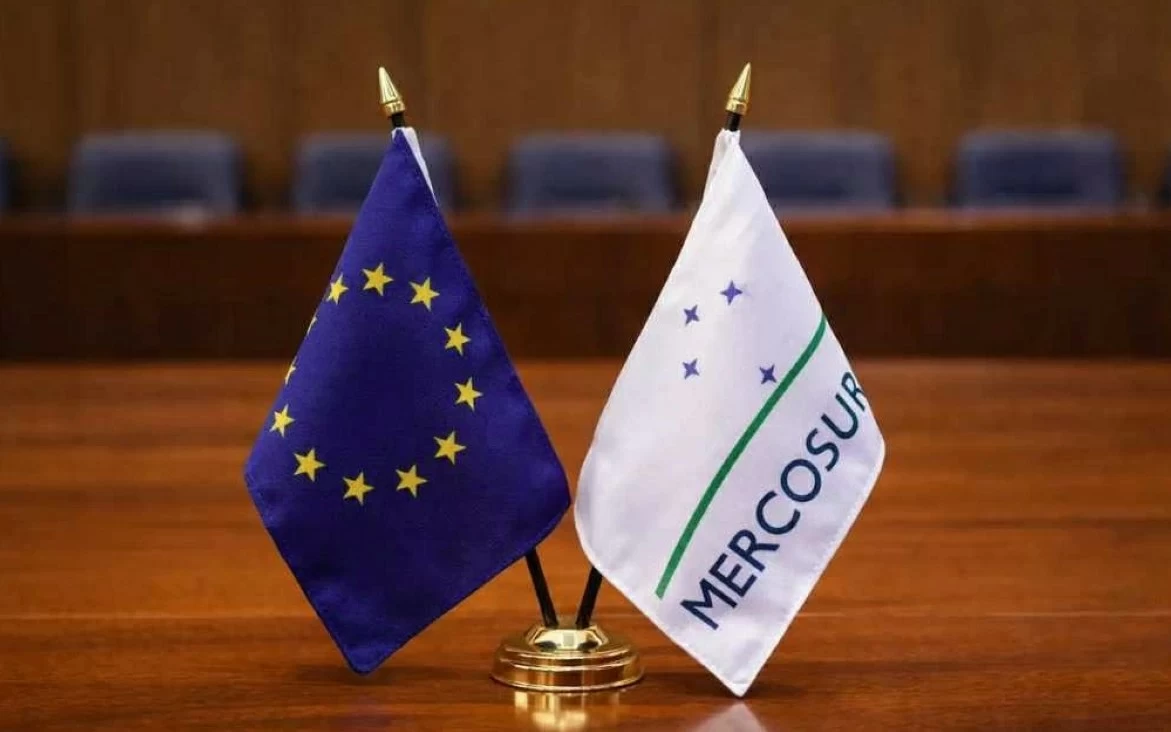
دخلت اتفاقية التجارة الحرة بين الاتحاد الأوروبي وأربع دول من مجموعة ميركوسور في أمريكا اللاتينية، البرازيل والأرجنتين وأورجواي وباراجواي، اليوم حيّز التنفيذ بشكل مؤقت.
وتهدف الاتفاقية، التي استغرقت مفاوضاتها 25 عامًا، إلى تعزيز تبادل السلع والخدمات من خلال الإزالة التدريجية للحواجز التجارية والرسوم الجمركية.
ووفقًا للمفوضية الأوروبية، فإن الاتفاقية التجارية تنشئ سوقًا يضم نحو 720 مليون نسمة وتخفض التعريفات الجمركية بمليارات اليورو.
كما ينظر إلى الاتفاقية على أنها تحد لسياسات الرسوم الجمركية الحمائية التي ينتهجها الرئيس الأمريكي دونالد ترمب.
ومع ذلك، أثارت الاتفاقية مخاوف من احتمال المساس بمعايير الاتحاد الأوروبي المتعلقة بحماية المستهلك، ولمعالجة هذه المخاوف، تمت إضافة بنود ضمان اقتصادي إضافية إلى الاتفاقية في اللحظة الأخيرة.
وتتضمن هذه الأحكام مراقبة دقيقة وإجراءات مضادة محتملة لبعض مجموعات المنتجات مثل لحوم البقر والدواجن والحمضيات والسكر.
ومع ذلك، طلبت أغلبية ضئيلة من المشرعين في الاتحاد الأوروبي في يناير إجراء مراجعة قانونية للاتفاقية من قبل محكمة العدل الأوروبية، مما يعني أن الاتفاقية لا يمكن تطبيقها إلا بشكل مؤقت حتى يعطي البرلمان الأوروبي موافقته النهائية.
The free trade agreement between the European Union and four countries from the Mercosur group in Latin America—Brazil, Argentina, Uruguay, and Paraguay—has today entered into temporary effect.
The agreement, which took 25 years to negotiate, aims to enhance the exchange of goods and services through the gradual removal of trade barriers and tariffs.
According to the European Commission, the trade agreement creates a market of about 720 million people and reduces tariffs by billions of euros.
The agreement is also seen as a challenge to the protectionist tariff policies pursued by U.S. President Donald Trump.
However, the agreement has raised concerns about potential impacts on EU standards regarding consumer protection, and to address these concerns, additional economic safeguard clauses were added to the agreement at the last minute.
These provisions include close monitoring and potential countermeasures for certain product groups such as beef, poultry, citrus fruits, and sugar.
Nevertheless, a slim majority of EU lawmakers requested in January a legal review of the agreement by the European Court of Justice, meaning that the agreement can only be applied temporarily until the European Parliament gives its final approval.