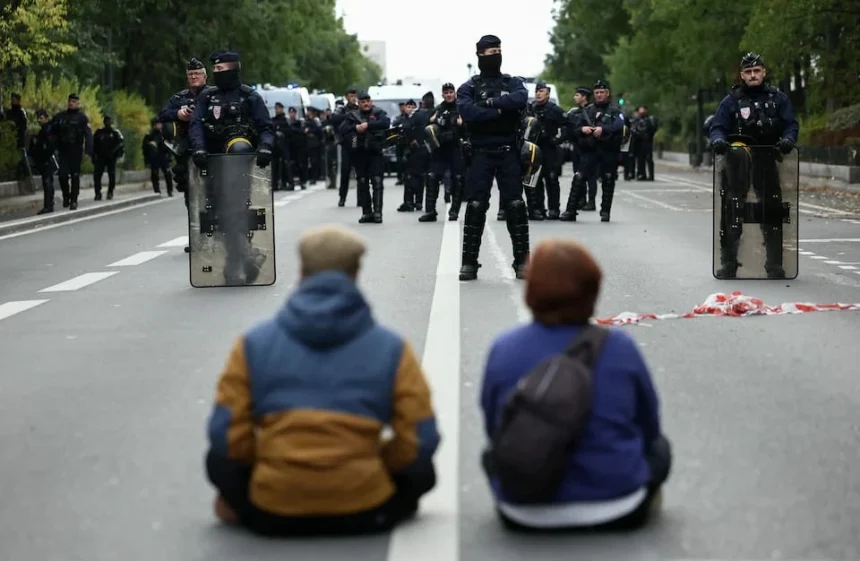
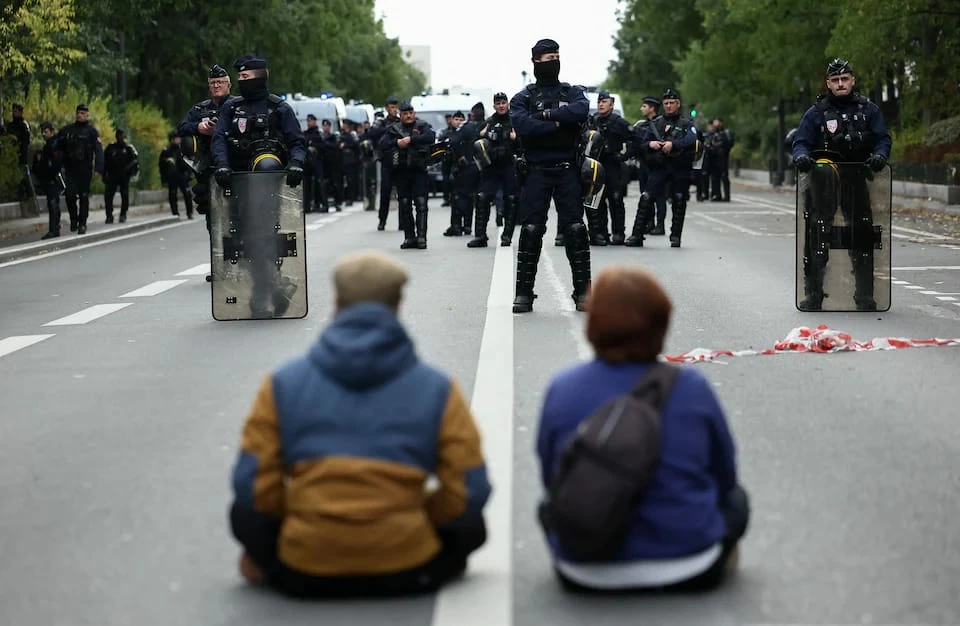
تستعد فرنسا لموجة جديدة من التوترات، مع إعلان شركات ومؤسسات ثقافية ومتاحف إغلاق أبوابها خلال عطلة نهاية الأسبوع، تحسباً لتجدد أعمال الشغب، في وقت يسعى فيه الرئيس إيمانويل ماكرون إلى استعادة الهدوء، بعد احتجاجات واسعة شهدت أعمال عنف ونهب الأسبوع الماضي.
ورغم القيود المفروضة على التظاهرات، يعتزم طلاب ومجموعات احتجاجية النزول إلى الشوارع (السبت)، وسط تصاعد الغضب من خفض الإنفاق الحكومي، والمطالبة بزيادة الأجور لمواجهة ارتفاع تكاليف المعيشة، ما يضع السلطات الفرنسية أمام اختباراً جديداً لاحتواء الأزمة.
الطلاب و«السترات الصفراء» يتحدون القيود
ودعت النقابة الطلابية الفرنسية الرئيسية «يونيف» إلى تنظيم تجمعات احتجاجية (السبت)، فيما تقدمت حركة «السترات الصفراء»، التي برزت قوة احتجاجية مناهضة للمؤسسة السياسية عام 2018، بخطط لتنظيم مسيرة في وسط باريس.
وكان من المقرر أن يلتقي ماكرون ممثلين عن الطلاب في وقت لاحق (الجمعة) لمناقشة خططهم، لكن النقابة أكدت أن تجمعاتها ستقام كما هو مقرر.
وانطلقت الاحتجاجات الطلابية من تحركات شهدتها المدارس الثانوية الشهر الماضي، احتجاجاً على نقص المعلمين وتردي أوضاع المرافق التعليمية.
وقالت النقابة، في بيان، إن ماكرون «يدوس على حرية التظاهر في بلادنا»، متهمةً إياه بالتنكر للقيم الجمهورية التي يقول إنه يدافع عنها.
النقابات تحذر من تصعيد الغضب
ولا تزال فرنسا تحاول التعافي من أعمال العنف التي شهدتها خلال عطلة نهاية الأسبوع الماضية، والتي وُصفت بأنها الأسوأ منذ سنوات، بعدما رافقت احتجاجات في أنحاء البلاد أعمال نهب وشغب.
وفي المقابل، مرت ساعات حظر التجول الليلي التي فُرضت في أجزاء من باريس ومدن أخرى دون وقوع حوادث كبيرة، وفقاً للتقرير.
واتهم ماكرون مجموعات من اليسار المتطرف بالسعي إلى إثارة الفوضى، وهي اتهامات رفضها حزب «فرنسا الأبية»، أحد أبرز أحزاب اليسار الفرنسي.
وقال الرئيس الفرنسي، (الخميس)، إن السلطات ستحظر خلال الأيام القادمة الاحتجاجات التي تعتبرها «غير مشروعة»، بينما ستُسمح للتظاهرات التي تنظمها جهات مثل النقابات العمالية بالاستمرار، مع إمكانية تغيير مساراتها.
لكن ماريليز ليون، الأمينة العامة لاتحاد النقابات الديمقراطية الفرنسية «CFDT»، أحد أكبر الاتحادات العمالية في البلاد، شككت في قدرة هذه الإجراءات على إعادة الهدوء.
وقالت، في تصريحات لمحطة «TF1» الفرنسية، إن تقييد الاحتجاجات قد يأتي بنتائج عكسية، في ظل الغضب الواسع وشعور المحتجين بالحاجة إلى أن تستمع السلطات إليهم وتأخذ مطالبهم على محمل الجد.
وأضافت أن تحديد الجهات التي يحق لها التظاهر بصورة مشروعة ليس قراراً ينبغي أن ينفرد به الرئيس.
حظر تظاهرات وإغلاق مؤسسات ثقافية
وفي إطار الإجراءات الأمنية، أعلنت السلطات المحلية حظر جميع الاحتجاجات المقررة (السبت) في مدينتي مرسيليا وليون، ثاني وثالث أكبر مدن فرنسا.
ورغم القيود المفروضة، والاستعدادات الأمنية، أعلن وزير العدل أن عدد الاعتقالات منذ (السبت) بلغ 2700 حالة، بينما بدأت شركات ومؤسسات ثقافية وفعاليات مختلفة اتخاذ تدابير احترازية تحسباً لوقوع اضطرابات جديدة.
ودعت غرفة التجارة في مرسيليا الشركات إلى إغلاق أبوابها (السبت)، فيما أعلن منظمو معرض «آرت بازل باريس» للفنون إغلاق المعرض طوال عطلة نهاية الأسبوع.
كما تقرر إغلاق متحف اللوفر ومؤسسة لويس فويتون (السبت)، في خطوة تعكس اتساع نطاق الاستعدادات لاحتمال تجدد الاضطرابات.
وفي مدينة أورليان وسط فرنسا، تتجه الأنظار إلى اجتماع لحزب التجمع الوطني اليميني المتطرف، كان مقرراً عقده بالتزامن مع استعداد آلاف الأشخاص للتظاهر احتجاجاً عليه، ما يثير مخاوف من مواجهات بين المتظاهرين.
وكانت وزارة الداخلية الفرنسية تعتزم الإعلان عن خطتها الأمنية في وقت لاحق (الجمعة)، فيما كان من المتوقع أن يعقد ماكرون اجتماعاً بشأن الدفاع والأمن، إلى جانب لقائه ممثلي المجموعات الطلابية.
أزمة المعيشة تضغط على الحكومة
وتتغذى الاحتجاجات على مجموعة من الضغوط الاقتصادية والاجتماعية، في مقدمتها ارتفاع تكاليف الطاقة، وتزايد الأعباء على ميزانيات الأسر، والمخاوف من تراجع مستوى الخدمات العامة.
ويطالب العمال والطلاب ومجموعات أخرى بزيادة الأجور لمساعدتهم على مواجهة ارتفاع تكاليف المعيشة، إلى جانب اعتراضهم على تخفيضات الإنفاق الحكومي.
وتقول الحكومة إنها تتفهم مخاوف المواطنين، لكنها تحتاج إلى ضبط الإنفاق العام للحد من ارتفاع تكاليف الاقتراض، في وقت تواجه فيه ضغوطاً مالية تحد من قدرتها على تقديم تنازلات واسعة.
وامتدت تداعيات الأزمة إلى الأسواق المالية، إذ ارتفعت علاوة المخاطر على الدين الحكومي الفرنسي مقارنة بالسندات الألمانية، (الخميس)، إلى أعلى مستوى لها منذ 15 عاماً، في مؤشر على تنامي قلق المستثمرين.
وكانت وكالة التصنيف الائتماني «موديز» تتوقع إعلان قرار بشأن التصنيف الائتماني لفرنسا في وقت متأخر من (الجمعة)، وهو ما يضيف عاملاً اقتصادياً مهماً إلى المشهد السياسي والأمني المتوتر.
وبين محاولات الحكومة فرض قيود أمنية، وإصرار النقابات والطلاب على مواصلة الاحتجاجات، تواجه فرنسا عطلة نهاية أسبوع حساسة، فيما يبقى حجم الاضطرابات المحتملة مرهوناً بتطورات الشارع وفاعلية الإجراءات التي ستتخذها السلطات.
France is preparing for a new wave of tensions, with cultural institutions and museums announcing their closure over the weekend in anticipation of renewed riots, as President Emmanuel Macron seeks to restore calm following widespread protests that witnessed violence and looting last week.
Despite restrictions on demonstrations, students and protest groups plan to take to the streets on Saturday, amid rising anger over government spending cuts and demands for wage increases to cope with rising living costs, putting French authorities to a new test in containing the crisis.
Students and the “Yellow Vests” challenge the restrictions
The main French student union, “Unef,” has called for protest gatherings on Saturday, while the “Yellow Vests” movement, which emerged as a significant anti-establishment protest force in 2018, has plans to organize a march in central Paris.
Macron was scheduled to meet with student representatives later on Friday to discuss their plans, but the union confirmed that their gatherings would proceed as planned.
The student protests originated from movements seen in high schools last month, protesting against teacher shortages and the deteriorating conditions of educational facilities.
The union stated in a statement that Macron “is trampling on the freedom to protest in our country,” accusing him of betraying the republican values he claims to defend.
Unions warn of escalating anger
France is still trying to recover from the violence it experienced during the past weekend, described as the worst in years, as protests across the country were accompanied by looting and riots.
In contrast, the nighttime curfews imposed in parts of Paris and other cities passed without major incidents, according to reports.
Macron accused groups from the far left of seeking to incite chaos, accusations that were rejected by the “France Insoumise” party, one of the prominent left-wing parties in France.
The French president stated on Thursday that authorities would ban protests deemed “illegal” in the coming days, while demonstrations organized by entities such as labor unions would be allowed to continue, with possible changes to their routes.
However, Marylise Léon, the general secretary of the French Democratic Confederation of Labor (CFDT), one of the largest labor unions in the country, expressed doubt about the effectiveness of these measures in restoring calm.
She stated in comments to French channel TF1 that restricting protests could backfire, given the widespread anger and the protesters’ feeling that authorities need to listen to them and take their demands seriously.
She added that determining which entities have the right to protest legally is not a decision that should be made solely by the president.
Ban on protests and closure of cultural institutions
As part of security measures, local authorities announced a ban on all planned protests on Saturday in the cities of Marseille and Lyon, the second and third largest cities in France.
Despite the imposed restrictions and security preparations, the Minister of Justice announced that the number of arrests since Saturday had reached 2,700, while cultural institutions and various events began taking precautionary measures in anticipation of new disturbances.
The Marseille Chamber of Commerce urged businesses to close their doors on Saturday, while organizers of the “Art Basel Paris” art fair announced the closure of the fair throughout the weekend.
The Louvre Museum and the Louis Vuitton Foundation are also set to close on Saturday, reflecting the widening scope of preparations for the possibility of renewed unrest.
In the city of Orléans in central France, attention is focused on a meeting of the far-right National Rally party, which was scheduled to coincide with thousands of people preparing to protest against it, raising fears of clashes between demonstrators.
The French Ministry of the Interior was expected to announce its security plan later on Friday, while Macron was anticipated to hold a meeting regarding defense and security, alongside his meeting with representatives of student groups.
The cost of living crisis pressures the government
The protests are fueled by a range of economic and social pressures, primarily rising energy costs, increasing burdens on household budgets, and concerns about the decline in the quality of public services.
Workers, students, and other groups are demanding wage increases to help them cope with rising living costs, alongside their objections to government spending cuts.
The government claims to understand citizens’ concerns but states that it needs to control public spending to limit rising borrowing costs, while facing financial pressures that restrict its ability to make broad concessions.
The repercussions of the crisis have extended to financial markets, as the risk premium on French government debt compared to German bonds rose on Thursday to its highest level in 15 years, indicating growing investor anxiety.
Credit rating agency Moody’s was expected to announce a decision regarding France’s credit rating late on Friday, adding an important economic factor to the tense political and security landscape.
Amid the government’s attempts to impose security restrictions and the insistence of unions and students to continue protests, France faces a sensitive weekend, with the extent of potential disturbances dependent on developments on the streets and the effectiveness of the measures taken by the authorities.