



رغم أن ارتفاع ضغط الدم يُعرف تقليدياً بأنه مرض يصيب البالغين، فإن الدراسات الحديثة تؤكد أنه أصبح يظهر لدى الأطفال والمراهقين بنسبة متزايدة، خصوصاً مع انتشار السُّمنة وقلة النشاط البدني واعتماد أنماط غذائية غير صحية. وتشير الأدلة العلمية إلى أن هذه الحالة ليست بسيطة أو عابرة، بل قد تكون مؤشراً مبكراً لأمراض القلب والكلى في المستقبل إذا لم تُكتشف وتُعالج في الوقت المناسب.
وتُظهر دراسة تحليلية واسعة أن معدل انتشار ارتفاع ضغط الدم لدى الأطفال والمراهقين بلغ نحو 4%، بينما وصلت نسبة من هم في مرحلة ما قبل الارتفاع إلى 9.6%؛ وهي أرقام تعكس زيادة واضحة مقارنة بالعقود الماضية. كما أكدت الدراسة أن السمنة تُعد العامل الأكثر ارتباطاً بارتفاع الضغط في هذه الفئة العمرية، إذ ترتفع احتمالية الإصابة بشكل كبير لدى الأطفال الذين يعانون من زيادة الوزن أو السمنة المفرطة.
ووصفت دراسة بحثية حديثة نُشرت في Hypertension Research، ارتفاع ضغط الدم لدى الأطفال بأنه «مشكلة صحية عامة متنامية عالمياً»، وأنه يرتبط بشكل مباشر بزيادة مخاطر الإصابة بأمراض القلب والأوعية الدموية في مرحلة البلوغ. وتوضح المراجعة أن ارتفاع الضغط في الطفولة، غالباً، ما يستمر إلى مرحلة البلوغ، مما يضاعف احتمالية الإصابة بتصلُّب الشرايين، وتضخم عضلة القلب، والفشل الكلوي لاحقاً.
كما أظهرت دراسة حديثة نُشرت عام 2024م في JAMA Network أن نسب انتشار ارتفاع الضغط تختلف حسب المعايير التشخيصية المستخدمة، لكنها اتفقت على أن الأطفال المصابين بالسمنة أو الذين يعانون من قلة النشاط البدني هم الأكثر عرضة للإصابة.
وتكمن خطورة ارتفاع ضغط الدم لدى الأطفال في أنه قد يكون صامتاً دون أعراض واضحة، بينما تبدأ التغيرات المرضية في الشرايين والقلب مبكراً.
وتخلص الأبحاث إلى أن ارتفاع ضغط الدم لدى الأطفال لم يعد حالة نادرة، بل مشكلة صحية متنامية تتطلب اهتماماً أكبر من الأهل والمجتمع والقطاع الصحي. فالفحص المبكر، والمتابعة المنتظمة، وتعديل نمط الحياة، تُعد خطوات أساسية للوقاية من المضاعفات وضمان صحة القلب والكلى على المدى الطويل.
عوامل الخطر والتشخيص
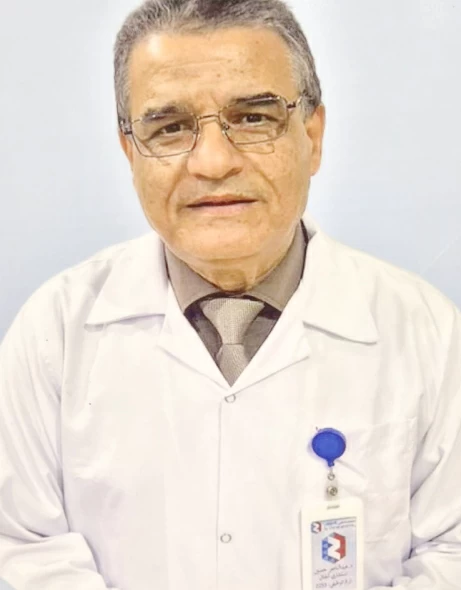
وفي هذا السياق، طرحت «عكاظ» محاور هذا الملف أمام عددٍ من الأطباء المختصين، فأوضح استشاري طب الأطفال وحديثي الولادة الدكتور عبدالناصر حسين أن ارتفاع ضغط الدم لدى الأطفال يُعرَّف بأنه تجاوز قراءات الضغط للمعدلات الطبيعية المناسبة لعمر الطفل وطوله وجنسه، ويُعد مرتفعاً إذا تجاوزت القراءات النسبة المئوية 95 في أكثر من قياس.
وبيّن أن قياس ضغط الدم لدى الأطفال -كما هو الحال لدى البالغين- يعتمد على استخدام «كُفّة» مناسبة لحجم الذراع، وإجراء القياس في حالة هدوء، مع ضرورة تفسير النتائج وفق جداول خاصة بالأطفال وليس اعتماد أرقام ثابتة.
وأشار إلى أن الفئات الأكثر عرضة للإصابة هم أطفال سن المدرسة والمراهقون، خصوصاً ممن يعانون من السمنة أو لديهم تاريخ عائلي للإصابة بارتفاع الضغط.
التوتر النفسي المدرسي
وعن الأسباب، ذكر الدكتور عبدالناصر أن ارتفاع الضغط قد ينتج عن أمراض الكلى، العيوب القلبية الخلقية، اضطرابات الغدد، بعض الأدوية، أو تضيق الشريان الكلوي.
وحذّر من السمنة كونها تزيد من مقاومة الأوعية الدموية وتُجهد القلب، مما يرفع احتمالية الإصابة بارتفاع الضغط. كما نبّه إلى أن قلّة النوم قد تسبب اضطراباً هرمونياً وزيادة في الإجهاد، وهو ما قد يؤدي إلى ارتفاع الضغط. وأضاف أن التوتر النفسي المدرسي قد يرفع الضغط بشكل مؤقت، ومع استمراره قد يؤثر على صحة الطفل بشكل واضح.
وأكد الدكتور عبدالناصر أن المتابعة المبكرة واتباع نمط حياة صحي يشمل غذاءً متوازناً، ونشاطاً بدنياً منتظماً، ونوماً كافياً، تُعد من أهم عوامل الوقاية من ارتفاع ضغط الدم لدى الأطفال.
اضطراب توازن
استشاري الأطفال العام والأمراض المعدية في مستشفى الملك عبدالعزيز بجدة – التجمع الصحي الأول، الدكتورة تسنيم زيدان، أوضحت أن أمراض الكلى تُعد من أهم الأسباب المؤدية لارتفاع ضغط الدم لدى الأطفال، بخلاف ما يحدث لدى البالغين إذ يكون السبب غالباً أولياً وغير مرتبط بمرض عضوي. وبيّنت أن أي خلل في الكلى؛ مثل الالتهابات، التشوهات الخلقية أو أمراض الكلى المزمنة، يؤدي إلى اضطراب توازن السوائل والأملاح في الجسم؛ مما يسبب احتباس الصوديوم والماء وارتفاع ضغط الدم. كما أن الكلى تلعب دوراً محورياً في تنظيم الضغط عبر هرمونات مهمة مثل الرينين، وأي اضطراب في هذه المنظومة قد يرفع الضغط بشكل ملحوظ.
وأشارت إلى أن العوامل الوراثية لها دور واضح في إصابة الأطفال، إذ ترتفع احتمالية الإصابة إذا كان أحد الوالدين أو كلاهما يعاني من ارتفاع ضغط الدم، كما أن بعض الاضطرابات الوراثية النادرة قد تسبب ارتفاعاً مبكراً في الضغط، خصوصاً عند ظهوره في سن صغيرة دون سبب واضح. وأكدت أهمية إجراء فحوصات أساسية لتحديد السبب، تشمل قياس ضغط الدم بشكل متكرر وبطريقة صحيحة، تحليل البول للكشف عن أمراض الكلى، وظائف الكلى (الكرياتينين واليوريا)، تحليل الأملاح في الدم، صورة دم كاملة، تخطيط القلب، وأحياناً أشعة صوتية للكلى، مع إمكانية طلب فحوصات إضافية حسب الحالة. وأشارت الدكتورة تسنيم إلى أن تصنيف ضغط الدم لدى الأطفال يختلف عن البالغين، إذ يعتمد على العمر والجنس والطول، مما يجعل التقييم بحاجة إلى دقة وخبرة طبية.
وحول أهمية تكرار القياس قبل تأكيد التشخيص، أوضحت الدكتورة تسنيم أن قياس ضغط الدم في زيارة واحدة لا يكفي، لأن القراءة قد ترتفع مؤقتاً بسبب القلق (ما يعرف بارتفاع الضغط الأبيض)، أو الألم، أو النشاط البدني، لذلك يُنصح بإجراء القياس في ثلاث زيارات مختلفة على الأقل لضمان دقة التشخيص وتجنب إعطاء علاج غير ضروري.
وعن الخطوة الأولى في العلاج، ذكرت الدكتورة تسنيم زيدان أن تعديل نمط الحياة يُعد الأساس، ويشمل تقليل الملح في الطعام، الحفاظ على وزن صحي، زيادة النشاط البدني، وتقليل وقت الشاشات. أما العلاج الدوائي فيُستخدم عند وجود مرض عضوي مثل أمراض الكلى، أو استمرار ارتفاع الضغط رغم تعديل نمط الحياة، أو في الحالات الشديدة من ارتفاع الضغط (Stage 2).
كما شددت على ضرورة مراجعة الطبيب بشكل عاجل عند ظهور أعراض قد تشير إلى ارتفاع خطير في الضغط، مثل الصداع الشديد والمستمر، تشوش أو ضعف الرؤية، الدوخة أو فقدان الوعي، ألم الصدر أو ضيق التنفس، أو حدوث تشنجات، مؤكدة أن هذه العلامات تستدعي تقييماً طبياً فورياً.
واختتمت الدكتورة تسنيم حديثها بالتأكيد على أن ارتفاع ضغط الدم لدى الأطفال ليس شائعاً مثل البالغين، لكنه قد يكون مؤشراً مهماً على وجود مشكلة صحية كامنة، خصوصاً في الكلى، وأن الاكتشاف المبكر والمتابعة المنتظمة يلعبان دوراً أساسياً في الوقاية من المضاعفات وضمان صحة الطفل على المدى الطويل.
تشنجات ومخاطر
أوضحت استشاري وأمراض كلى الأطفال في مستشفى الملك عبدالعزيز بجدة – التجمع الصحي الأول الدكتورة حليمة الغامدي، أن اللجوء إلى العلاج الدوائي لارتفاع ضغط الدم عند الأطفال يتم عندما تظهر مضاعفات واضحة مثل وجود الزلال في البول، أو التأثير على ضغط العين، أو حدوث تضخم في عضلة القلب، أو ظهور تشنجات مصحوبة بصداع مزمن، إضافة إلى الحالات التي يكون فيها ضغط الدم مرتفعاً ضمن الدرجة الثانية (Stage 2). كما يُستخدم العلاج الدوائي بعد منح الطفل فرصة لمدة شهر أو أقل لتغيير نمط الحياة ومراقبة التحسن إذا كان الضغط في المستوى الثاني دون مضاعفات، بينما يُمنح الأطفال في المستوى الأول فترة أطول تمتد لشهرين أو ثلاثة لمتابعة تأثير تعديل نمط الحياة قبل التفكير في العلاج الدوائي. وتشمل الأدوية المستخدمة مجموعة من أشهرها دواء أملوديبين من فئة حاصرات قنوات الكالسيوم، وأدوية تقلل مستوى الزلال مثل مثبطات الإنزيم المحول للأنجيوتنسين (كابتوبريل وإنالابريل)، أو مثبطات مستقبلات الأنجيوتنسين (فالسارتان ولوسارتان)، إضافة إلى أدوية حاصرات بيتا مثل أتينولول، وكذلك المُدِّرات البولية التي قد تساعد في خفض الضغط، ويحدد الطبيب نوع الدواء المناسب حسب حالة الطفل، مع الإشارة إلى أن بعض التركيبات الدوائية التي تجمع أكثر من فئة تُستخدم غالباً لدى البالغين أكثر من الأطفال.
وبيّنت الدكتورة الغامدي أن تعديل نمط الحياة يُعد خطوة أساسية ومهمة في خفض ضغط الدم؛ ويشمل الابتعاد عن الوجبات السريعة الغنية بالدهون والصوديوم، والإكثار من شرب الماء، إضافة إلى ممارسة الرياضة والأنشطة الحركية للحفاظ على وزن صحي، مع تقليل الوقت الذي يقضيه الطفل أمام الأجهزة الإلكترونية لما لها من تأثير سلبي قد يرفع مستوى هرمون الكورتيزول ويزيد الوزن.
وحول المضاعفات المحتملة لارتفاع ضغط الدم غير المعالج، أوضحت الدكتورة حليمة أن المخاطر قد تكون خطيرة؛ وتشمل حدوث تشنجات، وارتفاع ضغط الدم داخل الدماغ مما قد يؤدي إلى نزيف، إضافة إلى تأثيره على العين واحتمال حدوث نزيف في الشبكية، وارتفاع نسبة الزلال في البول وقصور الكلى، كما قد يؤثر على القلب ويزيد من احتمالية تضخم عضلة القلب وتصلب الشرايين.
وأكدت أهمية المتابعة طويلة المدى للأطفال المصابين بارتفاع ضغط الدم، إذ يجب مراجعة طبيب كلى أطفال مختص بشكل دوري، مع تعليم الأهل كيفية استخدام جهاز قياس الضغط والتعرف على علامات الارتفاع والانخفاض وكيفية التعامل معها. كما ينبغي قياس ضغط الطفل ثلاث مرات يومياً وتدوين القراءات في سجل خاص، مع الحرص على أن تكون ضمن المعدل الطبيعي المناسب للعمر والطول والجنس وفق الجداول العالمية المعتمدة. وأشارت إلى ضرورة الكشف المبكر عن أي مضاعفات وعلاجها في الوقت المناسب، وأن بعض الحالات تستدعي إجراء قياس ضغط الدم على مدار 24 ساعة باستخدام جهاز متخصص، مما يساعد في اكتشاف ارتفاع الضغط المرتبط بالقلق داخل العيادة (White coat hypertension) فقد يكون الضغط مرتفعاً أمام الطبيب وطبيعياً في المنزل. وأضافت أن ارتفاع ضغط الدم في مرحلة الطفولة قد يساهم في زيادة خطر الإصابة بأمراض القلب في مرحلة البلوغ، إذ يؤدي عدم علاجه إلى تضخم عضلة القلب وضعفها، إضافة إلى تصلب وسماكة الشرايين. كما أوضحت أن الطفل قد يحتاج إلى فحص الموجات الصوتية للكلى عند ملاحظة ارتفاع مبكر في ضغط الدم، للكشف عن وجود تشوهات خلقية أو تضخم أو ضمور في الكلى، أو وجود انسدادات في الأوعية الدموية المغذية لها، ويتم ذلك باستخدام فحص الدوبلر بالموجات الصوتية.
Although high blood pressure is traditionally known as a condition affecting adults, recent studies confirm that it is increasingly appearing in children and adolescents, particularly with the rise of obesity, lack of physical activity, and reliance on unhealthy dietary patterns. Scientific evidence indicates that this condition is not simple or transient; rather, it may be an early indicator of future heart and kidney diseases if not detected and treated in a timely manner.
A comprehensive analytical study shows that the prevalence rate of high blood pressure among children and adolescents has reached about 4%, while the percentage of those in the pre-hypertension stage has reached 9.6%; these figures reflect a clear increase compared to past decades. The study also confirmed that obesity is the most closely related factor to high blood pressure in this age group, as the likelihood of developing it significantly increases among children who are overweight or obese.
A recent research study published in Hypertension Research described high blood pressure in children as a “growing global public health problem,” and it is directly associated with an increased risk of cardiovascular diseases in adulthood. The review clarifies that high blood pressure in childhood often persists into adulthood, which doubles the likelihood of developing atherosclerosis, cardiomyopathy, and later kidney failure.
A recent study published in 2024 in JAMA Network indicated that the prevalence rates of high blood pressure vary according to the diagnostic criteria used, but it agreed that children with obesity or those who suffer from a lack of physical activity are the most susceptible to developing it.
The danger of high blood pressure in children lies in the fact that it may be silent without clear symptoms, while pathological changes in the arteries and heart begin early.
Research concludes that high blood pressure in children is no longer a rare condition but a growing health problem that requires greater attention from parents, the community, and the health sector. Early screening, regular follow-up, and lifestyle modifications are essential steps to prevent complications and ensure long-term heart and kidney health.
Risk Factors and Diagnosis
In this context, “Okaz” presented the axes of this file to several specialist doctors. Pediatric and neonatal consultant Dr. Abdulnasser Hussein explained that high blood pressure in children is defined as exceeding blood pressure readings beyond the normal rates appropriate for the child’s age, height, and gender, and it is considered high if the readings exceed the 95th percentile in more than one measurement.
He indicated that measuring blood pressure in children—like in adults—depends on using a cuff appropriate for the arm size and conducting the measurement in a calm state, with the necessity of interpreting the results according to specific pediatric tables rather than relying on fixed numbers.
He pointed out that the most susceptible groups are school-age children and adolescents, especially those who are obese or have a family history of high blood pressure.
School Psychological Stress
Regarding the causes, Dr. Abdulnasser mentioned that high blood pressure may result from kidney diseases, congenital heart defects, gland disorders, certain medications, or renal artery stenosis.
He warned that obesity increases vascular resistance and strains the heart, raising the likelihood of developing high blood pressure. He also noted that lack of sleep may cause hormonal disturbances and increased stress, which can lead to elevated blood pressure. He added that school psychological stress may temporarily raise blood pressure, and if it persists, it may clearly affect the child’s health.
Dr. Abdulnasser confirmed that early monitoring and following a healthy lifestyle that includes a balanced diet, regular physical activity, and sufficient sleep are among the most important preventive factors against high blood pressure in children.
Balance Disorders
Pediatric general and infectious disease consultant at King Abdulaziz Hospital in Jeddah – First Health Cluster, Dr. Tasneem Zidan, clarified that kidney diseases are among the most important causes of high blood pressure in children, unlike in adults where the cause is often primary and not related to an organic disease. She explained that any dysfunction in the kidneys, such as infections, congenital malformations, or chronic kidney diseases, leads to an imbalance in fluids and salts in the body, causing sodium and water retention and high blood pressure. The kidneys also play a crucial role in regulating blood pressure through important hormones like renin, and any disturbance in this system can significantly raise blood pressure.
She indicated that genetic factors play a clear role in children’s susceptibility, as the likelihood of developing high blood pressure increases if one or both parents suffer from it, and some rare genetic disorders may cause early onset of high blood pressure, especially when it appears at a young age without a clear cause. She emphasized the importance of conducting basic tests to determine the cause, including repeated and accurate blood pressure measurements, urine analysis to detect kidney diseases, kidney function tests (creatinine and urea), blood electrolyte analysis, complete blood count, electrocardiogram, and sometimes ultrasound of the kidneys, with the possibility of requesting additional tests based on the case. Dr. Tasneem noted that the classification of blood pressure in children differs from that in adults, as it depends on age, gender, and height, which makes the assessment require precision and medical expertise.
Regarding the importance of repeated measurements before confirming the diagnosis, Dr. Tasneem explained that measuring blood pressure in a single visit is insufficient, as the reading may temporarily rise due to anxiety (known as white coat hypertension), pain, or physical activity, so it is recommended to conduct the measurement in at least three different visits to ensure diagnostic accuracy and avoid unnecessary treatment.
On the first step in treatment, Dr. Tasneem Zidan mentioned that lifestyle modification is fundamental, including reducing salt in food, maintaining a healthy weight, increasing physical activity, and reducing screen time. Medication is used when there is an organic disease such as kidney diseases, or when high blood pressure persists despite lifestyle changes, or in severe cases of high blood pressure (Stage 2).
She also stressed the need for urgent medical consultation when symptoms that may indicate dangerously high blood pressure appear, such as severe and persistent headaches, blurred or impaired vision, dizziness or loss of consciousness, chest pain or shortness of breath, or seizures, emphasizing that these signs require immediate medical evaluation.
Dr. Tasneem concluded her remarks by affirming that high blood pressure in children is not as common as in adults, but it may be an important indicator of an underlying health problem, especially in the kidneys, and that early detection and regular follow-up play a crucial role in preventing complications and ensuring the child’s long-term health.
Seizures and Risks
Pediatric nephrology consultant at King Abdulaziz Hospital in Jeddah – First Health Cluster, Dr. Halima Al-Ghamdi, clarified that resorting to medication for high blood pressure in children occurs when clear complications arise, such as the presence of protein in the urine, or effects on eye pressure, or enlargement of the heart muscle, or the occurrence of seizures accompanied by chronic headaches, in addition to cases where blood pressure is elevated within Stage 2. Medication is also used after giving the child a month or less to change their lifestyle and monitor improvement if the pressure is at stage two without complications, while children at stage one are given a longer period of two to three months to follow up on the effects of lifestyle modification before considering medication. The medications used include a range of well-known drugs, the most common being amlodipine from the calcium channel blockers class, and drugs that reduce protein levels such as ACE inhibitors (captopril and enalapril), or angiotensin receptor blockers (valsartan and losartan), in addition to beta-blockers like atenolol, as well as diuretics that may help lower blood pressure, with the doctor determining the appropriate type of medication based on the child’s condition, noting that some drug combinations that include more than one class are often used in adults more than in children.
Dr. Al-Ghamdi indicated that lifestyle modification is a fundamental and important step in lowering blood pressure; it includes avoiding fast food rich in fats and sodium, increasing water intake, and engaging in sports and physical activities to maintain a healthy weight, while reducing the time the child spends in front of electronic devices due to their negative impact, which may raise cortisol levels and increase weight.
Regarding the potential complications of untreated high blood pressure, Dr. Halima explained that the risks can be serious; they include seizures, elevated blood pressure within the brain which may lead to bleeding, in addition to its effects on the eyes and the possibility of retinal bleeding, increased protein levels in the urine, and kidney failure, as well as potential effects on the heart, increasing the likelihood of cardiomyopathy and atherosclerosis.
She emphasized the importance of long-term follow-up for children with high blood pressure, as they should periodically consult a pediatric nephrologist, and parents should be taught how to use a blood pressure monitor and recognize signs of high and low pressure and how to deal with them. Blood pressure should be measured three times a day and recorded in a special log, ensuring that it remains within the normal range appropriate for age, height, and gender according to approved global tables. She noted the necessity of early detection of any complications and treating them in a timely manner, and that some cases require 24-hour blood pressure monitoring using specialized equipment, which helps in detecting anxiety-related high blood pressure in the clinic (white coat hypertension), as blood pressure may be high in front of the doctor and normal at home. She added that high blood pressure in childhood may contribute to an increased risk of heart diseases in adulthood, as untreated conditions may lead to cardiomyopathy and its weakening, in addition to arterial stiffness and thickening. She also explained that the child may need an ultrasound examination of the kidneys when early high blood pressure is observed, to detect any congenital malformations, enlargement, or atrophy of the kidneys, or blockages in the blood vessels supplying them, using Doppler ultrasound.