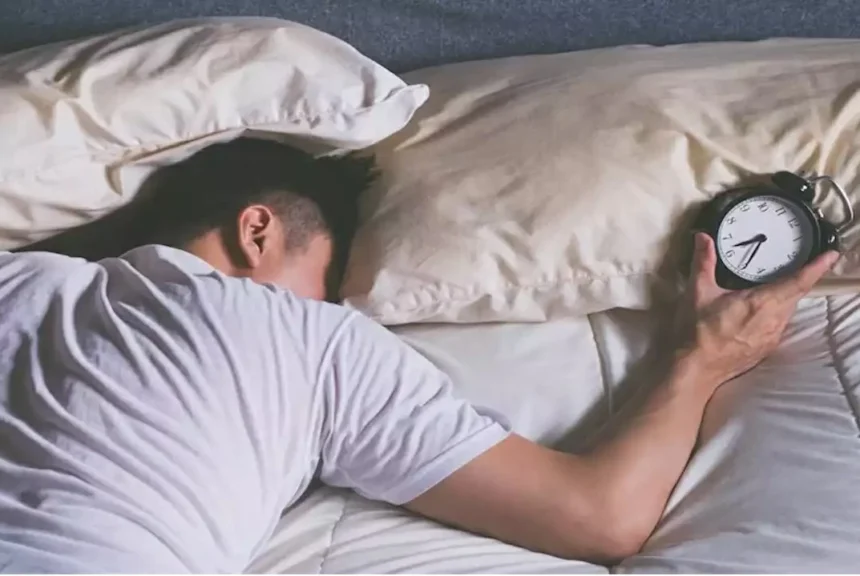
لا تتوقف أضرار النوم غير المنتظم عند الشعور بالإرهاق وضعف التركيز، بل قد تمتد إلى الصحة النفسية، بعدما كشفت دراسة أمريكية واسعة النطاق عن ارتباط تغيير مواعيد النوم والاستيقاظ بارتفاع أعراض الاكتئاب والقلق والشعور بالوحدة.
وأظهرت الدراسة، التي أجراها باحثون من جامعتي كاليفورنيا في سان فرانسيسكو وسان دييجو، أن الأشخاص الذين يذهبون إلى الفراش ويستيقظون في أوقات متباينة من يوم إلى آخر، يميلون إلى تسجيل مستويات أعلى من الاضطرابات النفسية، حتى مع الأخذ في الاعتبار عدد ساعات النوم وجودته.
واعتمد الباحثون على بيانات نحو 23 ألف مشارك، بمتوسط أعمار بلغ 46 عاماً، ضمن مشروع «تيمبريديكت» (TemPredict)، إذ ارتدى المشاركون خواتم ذكية لرصد أوقات النوم والاستيقاظ والمؤشرات الحيوية، وامتدت فترة المتابعة إلى 154 يوماً في المتوسط لكل مشارك.
علاقة بين انتظام النوم والاكتئاب
ووفقاً للنتائج المنشورة في دورية «Scientific Reports»، سجل الأشخاص الذين لم يعانوا أعراض الاكتئاب، أو ظهرت لديهم أعراض محدودة للغاية، متوسط 84 نقطة على مؤشر انتظام النوم، مقابل 83 نقطة لدى المصابين بأعراض خفيفة، و81 نقطة لأصحاب الأعراض المتوسطة، و75 نقطة لدى من يعانون أعراضاً شديدة.
وظهرت نتائج مشابهة عند قياس مستويات القلق، إذ بلغ متوسط انتظام النوم 84 نقطة لدى الأشخاص الذين كانت مستويات القلق لديهم ضمن النطاق الطبيعي، مقابل نحو 79 نقطة لدى من يعانون قلقاً شديداً.
كما رصد الباحثون ارتباطاً بين ارتفاع الشعور بالوحدة وانخفاض انتظام مواعيد النوم والاستيقاظ.
وأوضحت الدراسة أن الشخص الذي يسجل 84 نقطة على مؤشر انتظام النوم قد يغير موعد نومه واستيقاظه بنحو ساعة واحدة في المتوسط مقارنة باليوم السابق، بينما يصل التفاوت إلى نحو ساعة ونصف الساعة لدى من يسجلون 75 نقطة.
الساعة البيولوجية في دائرة التأثير
وأرجع الباحثون أهمية انتظام النوم إلى دوره في الحفاظ على تزامن الإيقاعات اليومية للجسم مع دورة الليل والنهار، إذ يمكن أن يؤدي تغيير مواعيد النوم والاستيقاظ بصورة متكررة إلى إرباك الساعة البيولوجية الداخلية.
ولا يقتصر تأثير هذا الاضطراب على النوم وحده، بل قد يمتد إلى توقيت التعرض للضوء وتناول الطعام وممارسة الرياضة والتفاعل الاجتماعي، وهي عوامل تؤدي دوراً في تنظيم الإيقاع اليومي للجسم.
وقالت المؤلفة الرئيسية للدراسة، آشلي ماسون، من قسم الطب النفسي والعلوم السلوكية بجامعة كاليفورنيا في سان فرانسيسكو، إن انتظام مواعيد النوم والاستيقاظ يساعد على إبقاء الإيقاعات اليومية للجسم متزامنة، فيما قد يؤدي اضطرابها إلى اختلال يرتبط بالاكتئاب ومشكلات أخرى في الصحة النفسية.
هل يسبب النوم غير المنتظم الاكتئاب؟
ورغم النتائج، شددت الباحثة على ضرورة عدم اعتبار الدراسة دليلاً قاطعاً على أن اضطراب مواعيد النوم يسبب الاكتئاب أو القلق بصورة مباشرة، إذ قد تسير العلاقة في الاتجاهين؛ فالنوم غير المنتظم قد يرتبط بتدهور الصحة النفسية، كما يمكن للاضطرابات النفسية أن تدفع الأشخاص إلى تغيير مواعيد نومهم واستيقاظهم.
وأشار الباحثون إلى أن الدراسة رصدية، ولا تثبت وجود علاقة سببية، فضلاً عن اعتماد تقييم الأعراض النفسية على استبيانات أجاب عنها المشاركون بأنفسهم، وليس على تشخيصات سريرية مستقلة.
ويرى فريق الدراسة أن الخطوة القادمة تتمثل في إجراء تجارب علمية لاختبار ما إذا كان تثبيت مواعيد النوم والاستيقاظ يمكن أن يسهم فعلياً في تخفيف أعراض الاكتئاب والقلق والشعور بالوحدة.
The harms of irregular sleep do not stop at feelings of fatigue and poor concentration; they may extend to mental health, as a large-scale American study revealed a link between changing sleep and wake times and increased symptoms of depression, anxiety, and feelings of loneliness.
The study, conducted by researchers from the University of California, San Francisco, and San Diego, found that individuals who go to bed and wake up at varying times from day to day tend to report higher levels of psychological disturbances, even when accounting for the number of hours slept and sleep quality.
The researchers relied on data from about 23,000 participants, with an average age of 46, as part of the “TemPredict” project, where participants wore smart rings to monitor sleep and wake times and vital signs, with an average follow-up period of 154 days for each participant.
A relationship between sleep regularity and depression
According to the results published in the journal “Scientific Reports,” individuals who did not experience symptoms of depression, or had very limited symptoms, scored an average of 84 points on the sleep regularity index, compared to 83 points for those with mild symptoms, 81 points for those with moderate symptoms, and 75 points for those with severe symptoms.
Similar results were observed when measuring anxiety levels, with an average sleep regularity score of 84 points for individuals whose anxiety levels were within the normal range, compared to about 79 points for those experiencing severe anxiety.
The researchers also noted a correlation between increased feelings of loneliness and decreased regularity of sleep and wake times.
The study indicated that a person scoring 84 points on the sleep regularity index may change their sleep and wake times by about one hour on average compared to the previous day, while the variation reaches about one and a half hours for those scoring 75 points.
The biological clock in the circle of influence
The researchers attributed the importance of sleep regularity to its role in maintaining the synchronization of the body’s daily rhythms with the cycle of day and night, as frequently changing sleep and wake times can disrupt the internal biological clock.
This disruption does not only affect sleep but may also extend to the timing of light exposure, eating, exercising, and social interactions, which are factors that play a role in regulating the body’s daily rhythm.
The lead author of the study, Ashley Mason, from the Department of Psychiatry and Behavioral Sciences at the University of California, San Francisco, stated that maintaining regular sleep and wake times helps keep the body’s daily rhythms synchronized, while disruptions can lead to imbalances associated with depression and other mental health issues.
Does irregular sleep cause depression?
Despite the findings, the researcher emphasized the need not to consider the study as conclusive evidence that disrupted sleep schedules directly cause depression or anxiety, as the relationship may go both ways; irregular sleep may be linked to a decline in mental health, and mental disturbances can drive individuals to change their sleep and wake times.
The researchers pointed out that the study is observational and does not establish a causal relationship, in addition to the fact that the assessment of psychological symptoms relied on self-reported questionnaires rather than independent clinical diagnoses.
The study team believes that the next step is to conduct experimental trials to test whether stabilizing sleep and wake times can actually contribute to alleviating symptoms of depression, anxiety, and feelings of loneliness.