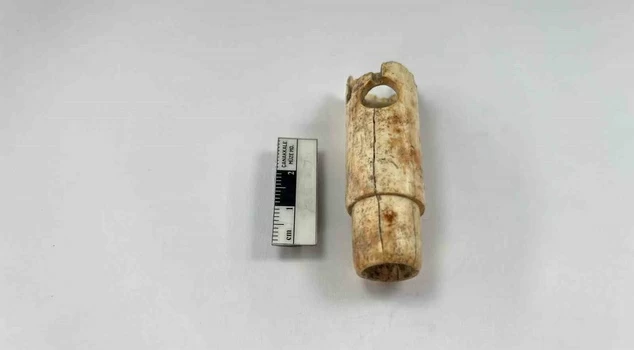
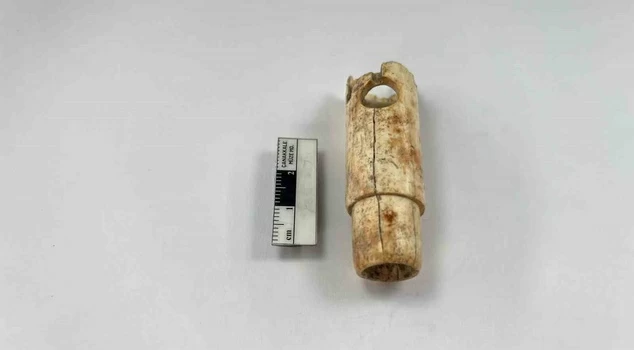
عثر علماء آثار على ناي مصنوع من العظم يعود إلى القرن الثامن قبل الميلاد، في مدينة طروادة الأثرية شمال غرب تركيا، في اكتشاف يُعد الأول من نوعه منذ بدء أعمال التنقيب في الموقع قبل أكثر من 160 عاماً، ويوفر دليلاً مادياً على الممارسات الموسيقية لدى سكان المدينة القديمة.
وذكرت وكالة الأناضول التركية، نقلاً عن وزارة الثقافة والسياحة، أن الناي اكتُشف ضمن أعمال التنقيب الجارية في إطار مشروع «التراث للمستقبل»، إلى جانب رأس تمثال صغير على هيئة إنسان يعود إلى نحو 4500 عام، عُثر عليه بالقرب من بوابة طروادة الثانية.
وأوضح رئيس بعثة التنقيب في طروادة، البروفيسور روستم أصلان، أن الآلة المكتشفة هي أول آلة موسيقية يُعثر عليها خلال تاريخ التنقيبات في الموقع، مشيراً إلى أنها تقدم دليلاً أثرياً مباشراً على ممارسة الموسيقى في المدينة خلال العصور القديمة.
ويعود رأس التمثال إلى العصر البرونزي المبكر، ويرى الباحثون أن دراسته قد تسهم في توسيع المعرفة بالمعتقدات الرمزية والممارسات الطقسية لدى سكان المنطقة آنذاك. ويعتزم فريق التنقيب مواصلة دراسة القطعتين والعمل على حفظهما.
وتُعد طروادة، المدرجة على قائمة التراث العالمي لمنظمة الأمم المتحدة للتربية والعلم والثقافة «اليونيسكو»، من أبرز المواقع الأثرية في تركيا، إذ تضم طبقات أثرية تعكس تعاقب المستوطنات البشرية فيها على مدى آلاف السنين، وتكشف جوانب من تطور الحياة الثقافية والاجتماعية في المنطقة.
Archaeologists have discovered a bone flute dating back to the 8th century BC in the archaeological site of Troy, located in northwestern Turkey. This discovery is considered the first of its kind since excavation work began at the site over 160 years ago, providing material evidence of the musical practices of the ancient city’s inhabitants.
The Turkish Anadolu Agency reported, citing the Ministry of Culture and Tourism, that the flute was found during ongoing excavation work as part of the “Heritage for the Future” project, alongside a small human-shaped statue head dating back approximately 4500 years, which was discovered near the second gate of Troy.
Professor Rustem Aslan, the head of the excavation mission at Troy, explained that the discovered instrument is the first musical instrument found during the history of excavations at the site, noting that it provides direct archaeological evidence of music practice in the city during ancient times.
The statue head dates back to the early Bronze Age, and researchers believe that studying it may contribute to expanding knowledge about the symbolic beliefs and ritual practices of the area’s inhabitants at that time. The excavation team intends to continue studying the two pieces and work on preserving them.
Troy, listed as a UNESCO World Heritage site, is one of Turkey’s most prominent archaeological sites, featuring layers of artifacts that reflect the succession of human settlements over thousands of years and revealing aspects of the cultural and social development in the region.