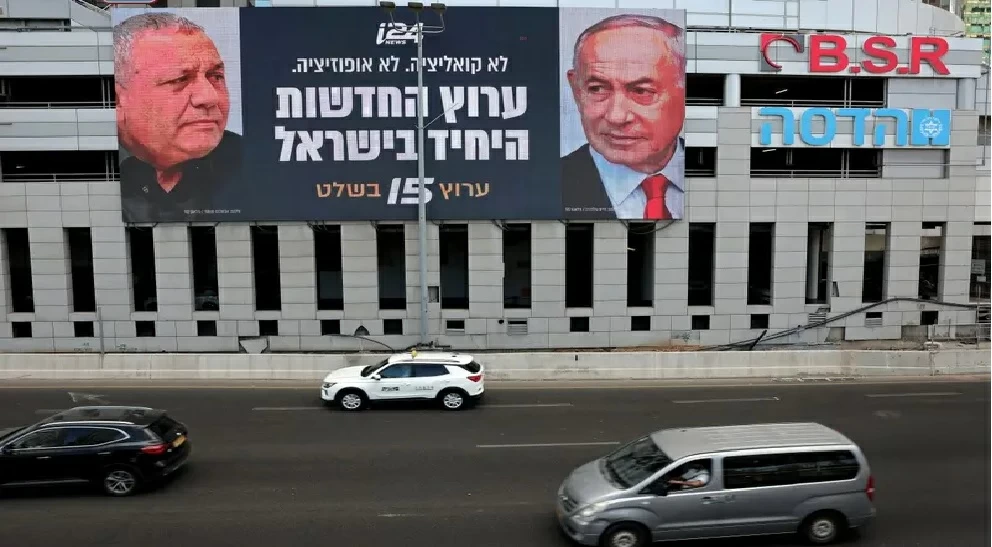
كشفت النتائج الأولية للانتخابات التشريعية الإسرائيلية التي جرت، أمس (الثلاثاء)، تقدم ائتلاف رئيس الوزراء الحالي بنيامين نتنياهو، فيما يتوقع أن تظهر النتائج النهائية خلال الأيام القادمة.
نسبة إقبال عالية ونتنياهو يتقدم
وأظهر آخر تحديث للجنة الانتخابات المركزية، اليوم (الأربعاء)، تقدم ائتلاف نتنياهو على معسكر غادي آيزنكوت، إثر فرز 55.4% من الأصوات. وبحسب أحدث بيانات الفرز التي نشرتها صحيفة «تايمز أوف إسرائيل» عند الساعة 7:58 صباحاً بتوقيت القدس، 5:58 صباحاً بتوقيت جرينتش، تصدر حزب «ليكود» بزعامة نتنياهو النتائج الجزئية بحصوله على 27 مقعداً، مقابل 21 مقعداً لحزب «ياشار» بزعامة آيزنكوت. وأظهرت التقديرات حصول كل من تحالف «معاً» (بيحد) والقائمة المشتركة على 12 مقعداً، و9 مقاعد لكل من حزبي «الديمقراطيين» و«يهدوت هتوراه»، مقابل 8 مقاعد لحزب «إسرائيل بيتنا». وأشارت النتائج إلى حصول حزب «شاس» على 7 مقاعد، مقابل 6 مقاعد لكل من حزبي «عوتسما يهوديت» و«الصهيونية الدينية»، و4 مقاعد لحزب «راعم». وتعني هذه الأرقام أن معسكر نتنياهو حصد 55 مقعداً، ويحتاج إلى 6 مقاعد إضافية لبلوغ الأغلبية البالغة 61 مقعداً من أصل 120، فيما تبرز القائمتان العربيتان في حسابات تشكيل الحكومة القادمة، وسط استمرار فرز الأصوات واحتمال تغير توزيع المقاعد. وأشارت لجنة الانتخابات إلى أن نسبة الإقبال بلغت 77.7 بالمئة، وهي الأعلى منذ أكثر من 20 عاماً، وأعلى بنحو سبع نقاط مئوية من الانتخابات السابقة في 2022.
ماذا أظهرت استطلاعات الرأي؟
وكانت استطلاعات الرأي لدى خروج الناخبين من مراكز الاقتراع أظهرت أن الانتخابات لن تتمخض عن فائز واضح فيما يبدو، مع تقارب النتائج بين كتلة المعارضة بقيادة غادي آيزنكوت ومعسكر نتنياهو دون أن يمتلك أي منهما طريقاً واضحاً للوصول إلى السلطة. فيما أشارت التوقعات إلى احتمال أن تمتد مفاوضات تشكيل الحكومة لأسابيع وسط مساومات سياسية معقدة. لكن هذا المأزق قد يتيح لنتنياهو -وهو أطول قادة إسرائيل بقاء في المنصب- الاستمرار في السلطة بصفته رئيساً لحكومة تصريف أعمال خلال مفاوضات تشكيل الائتلاف.
وقال نتنياهو لأنصاره في حزب ليكود بعد الساعة الثالثة فجراً خلال خطاب ألقاه في القدس: «علينا تشكيل حكومة يمينية قوية»، مسلطاً الضوء على النجاحات العسكرية لإسرائيل وما وصفها بأنها فرصة تاريخية «للقضاء على التهديد الإيراني».
في المقابل، قال آيزنكوت أمام مؤيدين يهتفون له في تل أبيب: «صوت الإسرائيليون ضد استمرار نتنياهو رئيساً لوزراء إسرائيل… ولو كان قائداً مسؤولاً، لقبل سحب الشعب ثقته منه وأعلن اليوم اعتزاله العمل السياسي».
الأحزاب الدينية اليمينية المتطرفة
ومن المتوقع أن تحصد الأحزاب الدينية اليمينية المتطرفة بقيادة إيتمار بن غفير وبتسلئيل سموتريتش ما مجموعه 13 مقعداً ضمن كتلة نتنياهو. ويرجح أن تلعب الأحزاب العربية، غير المنضوية في أي من التكتلين، دوراً رئيسياً في تحديد ميزان القوى. لكن آيزنكوت زعيم حزب يشار ورئيس الأركان الأسبق يستبعد إلى حد كبير تشكيل حكومة مع هذه الأحزاب، ما يعقّد طريقه إلى السلطة. ويتوقع أن يستغرق الأمر أياماً قبل ظهور النتائج النهائية، ونظراً لطبيعة النظام السياسي الإسرائيلي المنقسم، فإن الأحزاب الصغيرة قد تلعب دور «صانع الملوك» في مفاوضات الائتلاف، التي امتدت لأسابيع أو حتى أشهر عقب انتخابات سابقة. وإذا لم يتمكن أي من المعسكرين من تشكيل حكومة، فقد تقتضي الحاجة إجراء انتخابات جديدة.
The preliminary results of the Israeli legislative elections held yesterday (Tuesday) revealed a lead for the coalition of current Prime Minister Benjamin Netanyahu, with final results expected to emerge in the coming days.
High turnout and Netanyahu leads
The latest update from the Central Elections Committee today (Wednesday) showed Netanyahu’s coalition ahead of Gadi Eisenkot’s camp, following the counting of 55.4% of the votes. According to the latest counting data published by the “Times of Israel” at 7:58 AM Jerusalem time, 5:58 AM GMT, the Likud party led by Netanyahu topped the partial results with 27 seats, compared to 21 seats for the Yashar party led by Eisenkot. Estimates indicated that both the “Together” (Bihud) alliance and the Joint List secured 12 seats, while the “Democrats” and “Yahadut HaTorah” parties each received 9 seats, against 8 seats for the “Yisrael Beiteinu” party. The results indicated that the Shas party obtained 7 seats, while both the “Otzma Yehudit” and “Religious Zionism” parties received 6 seats each, and the Ra’am party secured 4 seats. These numbers mean that Netanyahu’s camp has garnered 55 seats and needs an additional 6 seats to reach the majority of 61 out of 120, while the two Arab lists emerge as significant players in the calculations for forming the next government, amidst ongoing vote counting and the possibility of changes in seat distribution. The Elections Committee noted that the turnout rate reached 77.7%, the highest in over 20 years, and about seven percentage points higher than the previous elections in 2022.
What did the opinion polls show?
Exit polls indicated that the elections would not yield a clear winner, with results closely contested between the opposition bloc led by Gadi Eisenkot and Netanyahu’s camp, neither of which has a clear path to power. Predictions suggested that negotiations to form a government could extend for weeks amidst complex political bargaining. However, this impasse may allow Netanyahu—Israel’s longest-serving leader—to remain in power as the head of a caretaker government during coalition formation negotiations.
Netanyahu told his supporters in the Likud party after 3 AM during a speech in Jerusalem: “We must form a strong right-wing government,” highlighting Israel’s military successes and what he described as a historic opportunity “to eliminate the Iranian threat.”
In contrast, Eisenkot told cheering supporters in Tel Aviv: “The Israelis voted against Netanyahu continuing as Prime Minister of Israel… If he were a responsible leader, he would accept the people’s withdrawal of confidence and announce today his retirement from political work.”
Extreme right-wing religious parties
It is expected that the extreme right-wing religious parties led by Itamar Ben Gvir and Bezalel Smotrich will secure a total of 13 seats within Netanyahu’s bloc. The Arab parties, not aligned with either camp, are likely to play a key role in determining the balance of power. However, Eisenkot, the leader of the Yashar party and former Chief of Staff, largely rules out forming a government with these parties, complicating his path to power. It is expected to take days before the final results are revealed, and given the nature of the divided Israeli political system, smaller parties may play the role of “kingmakers” in coalition negotiations, which have extended for weeks or even months following previous elections. If neither camp can form a government, new elections may be necessary.