
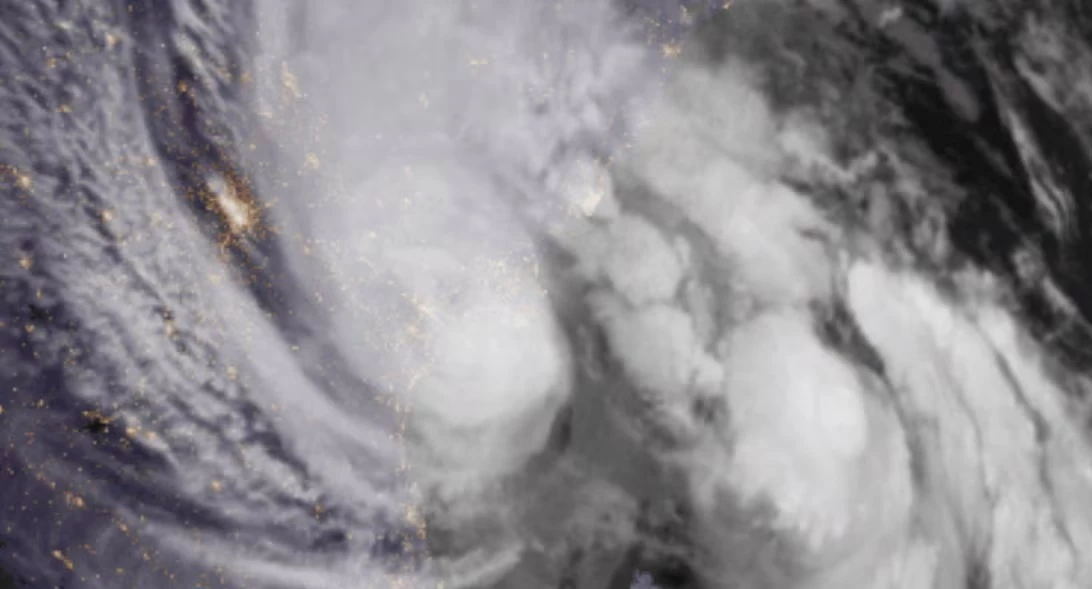
ضرب الإعصار «أرناب» الساحل الشرقي للهند، صباح (الأربعاء)، مصحوبًا برياح عاتية تسببت في سقوط الأشجار واقتلاع أعمدة الكهرباء وإلحاق أضرار بالمنازل، فيما لجأ آلاف السكان إلى أماكن آمنة تحسبًا لتداعيات العاصفة، وفقًا لما أعلنته السلطات الهندية.
وأجلت السلطات أكثر من 180 ألف شخص من ولايتي أندرا براديش وأوديشا، قبل وصول الإعصار، في إطار إجراءات احترازية للحد من الخسائر البشرية. ولم تُسجل وفيات في الولايتين حتى وقت إعداد التقرير، رغم انقطاع التيار الكهربائي في مناطق عدة، وسقوط الأشجار، وإغلاق بعض المدارس، وإلغاء عدد من رحلات القطارات والطائرات.
رياح تصل إلى 150 كيلومترًا في الساعة
وصنّفت إدارة الأرصاد الجوية الهندية إعصار «أرناب» ضمن فئة العواصف الإعصارية الشديدة جدًا، وهي ثالث أعلى فئة على مقياسها، مشيرة إلى أن الإعصار وصل إلى ساحل ولاية أندرا براديش صباح الأربعاء، قبل أن ينتقل مركزه بالكامل إلى اليابسة.
وأظهرت مشاهد تلفزيونية أشجارًا متساقطة على الطرق السريعة، بينما عملت فرق الطوارئ والعمال، الذين ارتدوا ملابس واقية من الأمطار، على إزالة الأغصان والأوراق المتراكمة لإعادة فتح الطرق أمام حركة المرور.
مخاوف من غمر المناطق المنخفضة
وتوقعت إدارة الأرصاد الجوية الهندية أن تتراوح سرعة الرياح بين 125 و135 كيلومترًا في الساعة، مع هبّات قد تصل إلى 150 كيلومترًا في الساعة، محذرة من احتمال حدوث ارتفاع في مستوى مياه البحر يتراوح بين متر ومتر ونصف فوق مستوى المد المعتاد.
ومن شأن هذه الظاهرة أن تؤدي إلى غمر المناطق المنخفضة في ولاية أندرا براديش، ما يزيد مخاطر الفيضانات والأضرار التي قد تلحق بالمنازل والبنية التحتية.
كما حذرت السلطات من خسائر محتملة في المحاصيل الزراعية والمنازل ذات الأسقف المصنوعة من القش، فضلًا عن تضرر خطوط الاتصالات.
وفي إطار الإجراءات الاحترازية، نُصح الصيادون على طول الساحل بعدم الإبحار، فيما أعلنت وزارة الطيران المدني الهندية تعليق العمليات في ثلاثة مطارات بولاية أندرا براديش، بالتزامن مع اضطراب حركة النقل وإلغاء بعض الرحلات.
نيبال تعلق تصاريح التسلق وسط مخاوف من العواصف الثلجية
وامتدت تداعيات الإعصار إلى نيبال المجاورة، حيث علّقت السلطات إصدار تصاريح الرحلات الجبلية إلى المناطق المرتفعة لمدة ثلاثة أيام، بسبب مخاطر الأمطار الغزيرة والعواصف الثلجية.
ونقلت وكالة «رويترز» عن غيتا غيميري، مسؤولة المعلومات في إدارة الهجرة النيبالية، أن القرار يأتي في وقت يُعد ذروة موسم الرحلات الجبلية في البلاد، إذ يحصل نحو 750 متسلقًا ومتجولًا على التصاريح يوميًا.
وكانت السلطات النيبالية قد حذرت السياح، الثلاثاء، من التوجه إلى المناطق المرتفعة، خشية أن يتسبب الإعصار في هطول أمطار غزيرة وتساقط الثلوج وحدوث انهيارات جليدية في منطقة جبال الهيمالايا، اعتبارًا من ليلة الخميس وحتى السبت.
خليج البنغال.. منطقة معرضة للأعاصير المدمرة
وتشكّل الإعصار «أرناب» فوق خليج البنغال، الذي يُعد من المناطق الرئيسية لنشوء الأعاصير المدارية، وشهدت سواحله الشرقية في الهند عواصف مدمرة أودت بحياة أعداد كبيرة من الأشخاص على مدار العقود الماضية.
ولا يزال الإعصار الفائق الذي ضرب ولاية أوديشا في أكتوبر 1999، وأودى بحياة نحو 10 آلاف شخص، من بين أكثر الكوارث الطبيعية فتكًا في تاريخ الهند.
ورغم المخاطر التي تمثلها الأعاصير على المناطق الساحلية، طورت الهند على مدار السنوات الماضية أنظمة الإنذار المبكر وإجراءات الاستعداد والإجلاء، بهدف تقليل الخسائر البشرية والحد من آثار الكوارث الطبيعية.
The cyclone “Arnab” struck the eastern coast of India on Wednesday morning, accompanied by strong winds that caused trees to fall, power poles to be uprooted, and damage to homes, while thousands of residents sought safe places in anticipation of the storm’s aftermath, according to Indian authorities.
Authorities evacuated more than 180,000 people from the states of Andhra Pradesh and Odisha before the cyclone’s arrival, as part of precautionary measures to minimize human losses. No fatalities had been reported in the two states at the time of the report, despite power outages in several areas, fallen trees, the closure of some schools, and the cancellation of several train and flight services.
Winds reaching 150 kilometers per hour
The Indian Meteorological Department classified cyclone “Arnab” as a very severe cyclonic storm, which is the third highest category on its scale, noting that the cyclone reached the coast of Andhra Pradesh on Wednesday morning before its center moved entirely inland.
Television footage showed fallen trees on highways, while emergency teams and workers, dressed in rain protective gear, worked to clear the accumulated branches and leaves to reopen roads for traffic.
Concerns about flooding in low-lying areas
The Indian Meteorological Department predicted wind speeds between 125 and 135 kilometers per hour, with gusts that could reach 150 kilometers per hour, warning of a potential rise in sea levels ranging from one to one and a half meters above normal tide levels.
This phenomenon could lead to flooding in low-lying areas of Andhra Pradesh, increasing the risks of flooding and damage to homes and infrastructure.
Authorities also warned of potential losses to agricultural crops and homes with thatched roofs, as well as damage to communication lines.
As part of precautionary measures, fishermen along the coast were advised not to sail, while the Indian Ministry of Civil Aviation announced the suspension of operations at three airports in Andhra Pradesh, coinciding with disruptions in transportation and the cancellation of some flights.
Nepal suspends climbing permits amid fears of snowstorms
The effects of the cyclone extended to neighboring Nepal, where authorities suspended the issuance of permits for mountain treks to high-altitude areas for three days due to the risks of heavy rain and snowstorms.
Reuters reported Geeta Ghimire, an information officer at the Nepalese immigration department, stating that the decision comes at a time considered the peak of the trekking season in the country, with around 750 climbers and trekkers obtaining permits daily.
Nepalese authorities had warned tourists on Tuesday against heading to high-altitude areas, fearing that the cyclone could bring heavy rain and snowfall, as well as trigger avalanches in the Himalayas from Thursday night until Saturday.
Bengal Bay.. A region prone to devastating cyclones
Cyclone “Arnab” formed over the Bay of Bengal, which is one of the main areas for the development of tropical cyclones, and its eastern coasts in India have witnessed devastating storms that have claimed large numbers of lives over the past decades.
The super cyclone that struck Odisha in October 1999, resulting in the deaths of around 10,000 people, remains one of the deadliest natural disasters in India’s history.
Despite the risks posed by cyclones to coastal areas, India has developed early warning systems and preparedness and evacuation measures over the past years, aiming to reduce human losses and mitigate the impacts of natural disasters.