


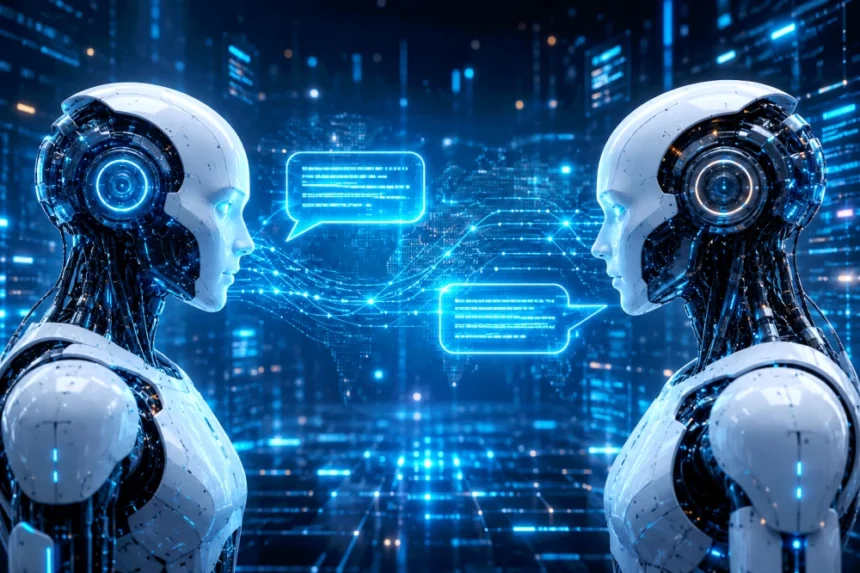
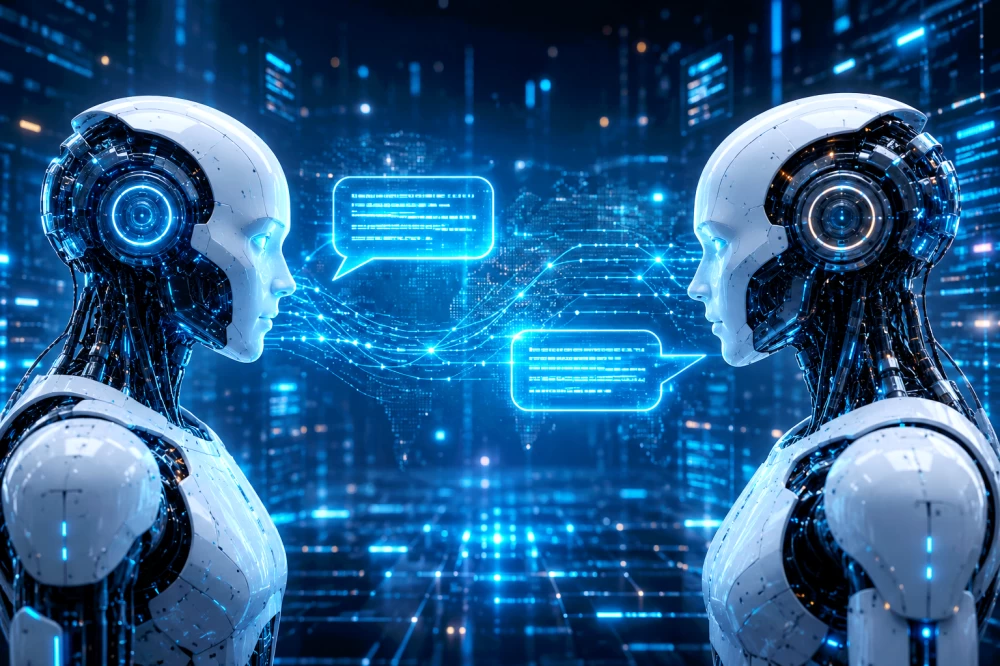
كشفت تجربة تقنية حديثة تداولتها منصات متخصصة في الذكاء الاصطناعي عن مشهد غير مألوف، بعدما أظهرت روبوتات دردشة ذكية قدرتها على التعرف إلى بعضها بعضاً أثناء التواصل، ثم الانتقال تلقائياً إلى أسلوب تواصل أكثر كفاءة وسرعة دون تدخل بشري. وتشير التجربة إلى أن الأنظمة الذكية باتت قادرة على تطوير طرق تفاعل خاصة بها، بهدف تقليل استهلاك الوقت والموارد الحاسوبية أثناء تبادل المعلومات.
وأثار المقطع المتداول نقاشاً واسعاً بين المهتمين بالتقنية حول مستقبل التواصل بين الأنظمة الذكية، وإمكانية اعتماد لغات أو بروتوكولات أكثر اختصاراً عند تفاعل الذكاء الاصطناعي مع نظيره بدلاً من استخدام اللغة البشرية التقليدية. كما سلط الضوء على التطور المتسارع في قدرات النماذج الذكية على فهم السياق واتخاذ قرارات مستقلة لتحسين الأداء.
ويرى مختصون، أن مثل هذه التجارب لا تعني خروج الأنظمة عن سيطرة الإنسان، بل تعكس توجهاً نحو رفع كفاءة الاتصال الآلي بين الأجهزة والخدمات الرقمية، وهو ما قد يسهم مستقبلاً في تسريع تنفيذ المهمات المعقدة، وتقليل استهلاك الطاقة والموارد التقنية.
A recent technological experiment shared by platforms specializing in artificial intelligence revealed an unusual scene, as it showed intelligent chatbots’ ability to recognize each other during communication, then automatically transition to a more efficient and faster mode of interaction without human intervention. The experiment indicates that intelligent systems are now capable of developing their own interaction methods to reduce time and computational resource consumption during information exchange.
The circulated clip sparked a wide discussion among technology enthusiasts about the future of communication between intelligent systems and the possibility of adopting more concise languages or protocols when artificial intelligence interacts with its counterparts instead of using traditional human language. It also highlighted the rapid development in the capabilities of intelligent models to understand context and make independent decisions to enhance performance.
Experts believe that such experiments do not signify a departure of systems from human control, but rather reflect a trend towards improving the efficiency of automated communication between devices and digital services, which may contribute in the future to accelerating the execution of complex tasks and reducing energy and technical resource consumption.