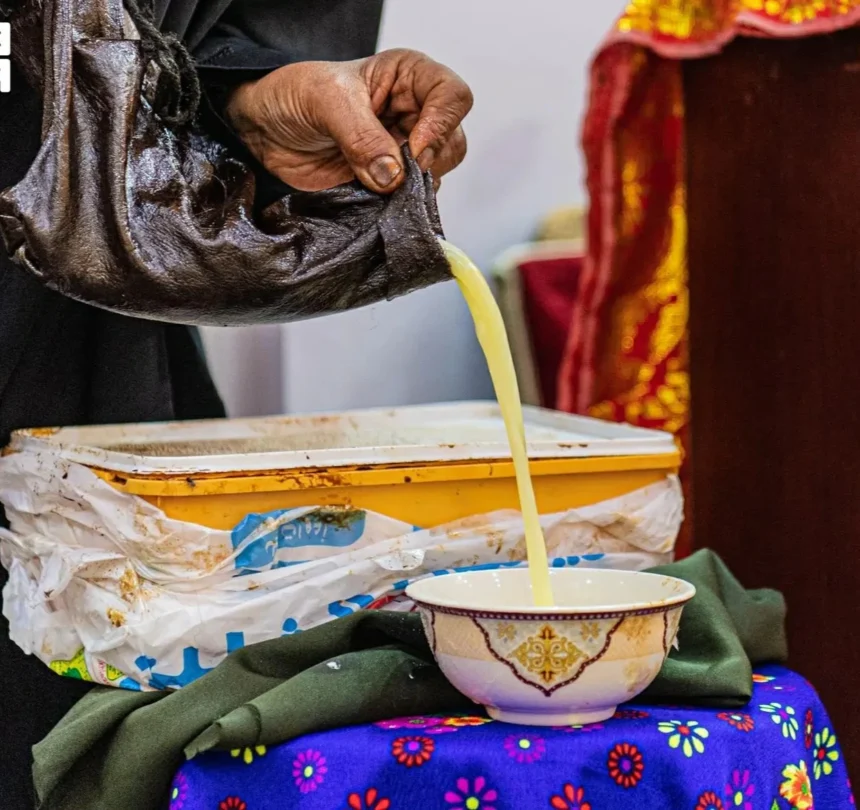
تتجدد صناعة السمن البلدي في منطقة الحدود الشمالية مع حلول فصل الشتاء، بوصفها إحدى الحرف الغذائية التقليدية المرتبطة بحياة الرعي وتربية المواشي، إذ حافظت النساء على مهارات إعدادها ونقلها بين الأجيال، فيما اتجهت بعض الأسر المنتجة إلى تسويقها مصدراً للدخل.
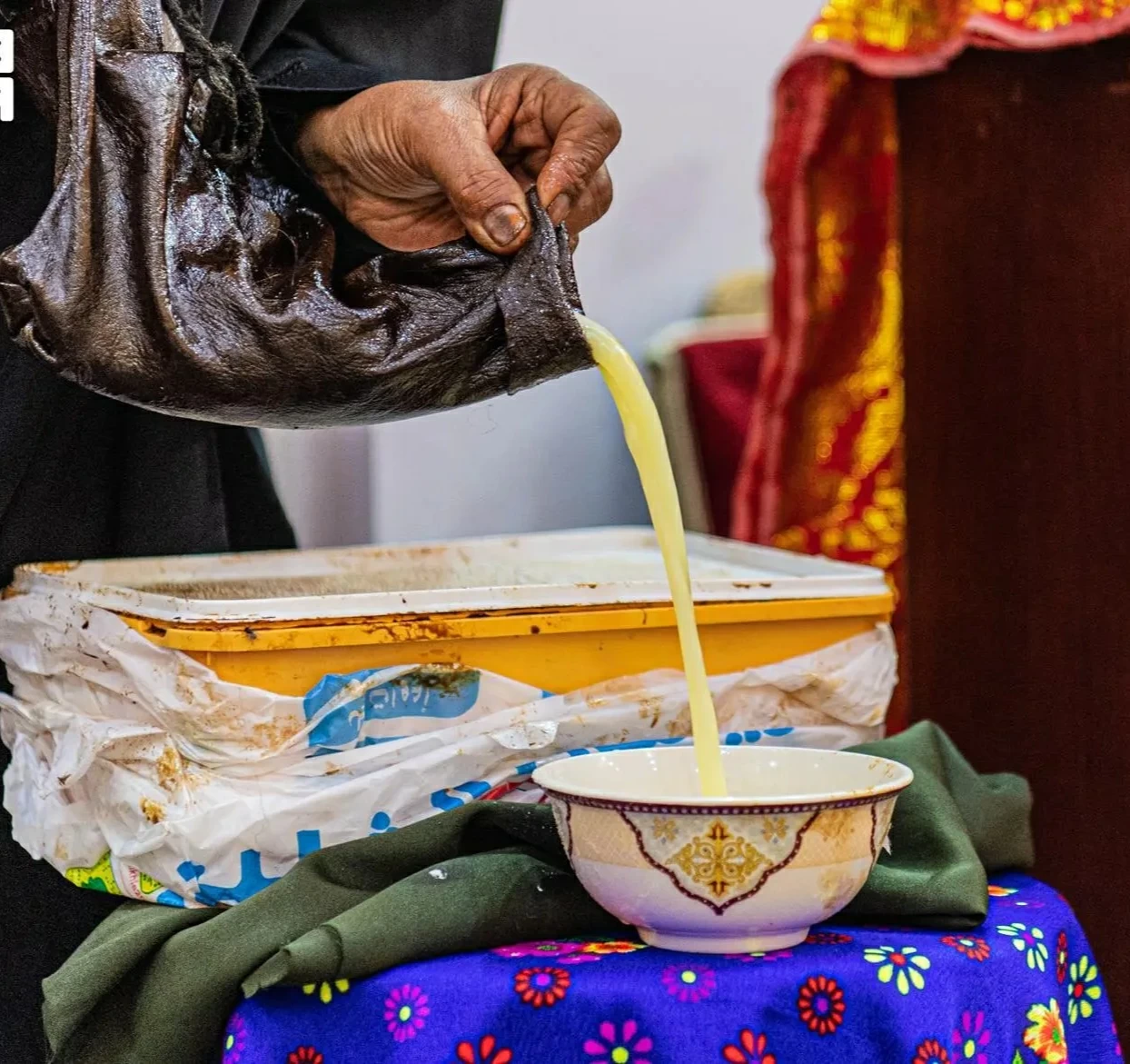
وترتبط هذه الحرفة بتوافر حليب الأغنام، خصوصاً بعد تحسن المراعي وهطول الأمطار، حيث يُحوّل الحليب إلى لبن رائب، ثم يُخضّ لاستخلاص الزبدة، التي تُسخّن على نار هادئة حتى تنفصل الدهون عن بقايا اللبن، قبل تصفيتها للحصول على السمن البلدي ذي اللون الذهبي والرائحة المميزة.
ويزداد الإقبال على السمن البلدي خلال الشتاء، لارتباطه بالأكلات الشعبية التي تشتهر بها المنطقة، ودخوله في إعداد عدد من الأطباق التقليدية، فضلاً عن حضوره في عادات الضيافة والمناسبات الاجتماعية.
ولا تزال بعض الأسر تحافظ على طرق التصنيع والحفظ المتوارثة، مستفيدة من الخبرات التي اكتسبتها النساء عبر سنوات طويلة، فيما أسهم تسويق المنتج في فتح فرص إضافية للأسر المنتجة، جامعاً بين المحافظة على الموروث الشعبي وتعزيز الاستفادة الاقتصادية من المنتجات المحلية.
The production of traditional ghee in the Northern Borders region renews with the arrival of winter, as it is one of the traditional food crafts associated with herding and livestock breeding. Women have maintained the skills of preparing it and passing them down through generations, while some producing families have turned to marketing it as a source of income.
This craft is linked to the availability of sheep’s milk, especially after the improvement of pastures and the rainfall, where the milk is transformed into buttermilk, then churned to extract the butter, which is heated over a low flame until the fats separate from the remnants of the milk, before being filtered to obtain the golden-colored ghee with its distinctive aroma.
The demand for traditional ghee increases during winter, as it is associated with the popular dishes that the region is famous for, and it is used in the preparation of several traditional recipes, in addition to its presence in hospitality customs and social occasions.
Some families still preserve the inherited methods of production and preservation, benefiting from the experiences that women have gained over many years, while marketing the product has opened additional opportunities for producing families, combining the preservation of cultural heritage with enhancing economic benefits from local products.