



في ليلة قاسية تحوّلت فيها ملاذات النزوح البسيطة إلى مصيدة مائية مرعبة، اهتز الشمال السوري على وقع كارثة إنسانية مفاجئة، بعدما ارتفع منسوب نهر الفرات بشكل متسارع وغير متوقع لعام 2026، ليحاصر مخيم جرابلس من كل الجهات، ويحوله إلى ما يشبه «جزيرة غارقة» وسط ممرات طينية وموجات غاضبة وضعت عشرات العائلات في مواجهة مباشرة مع الماء.
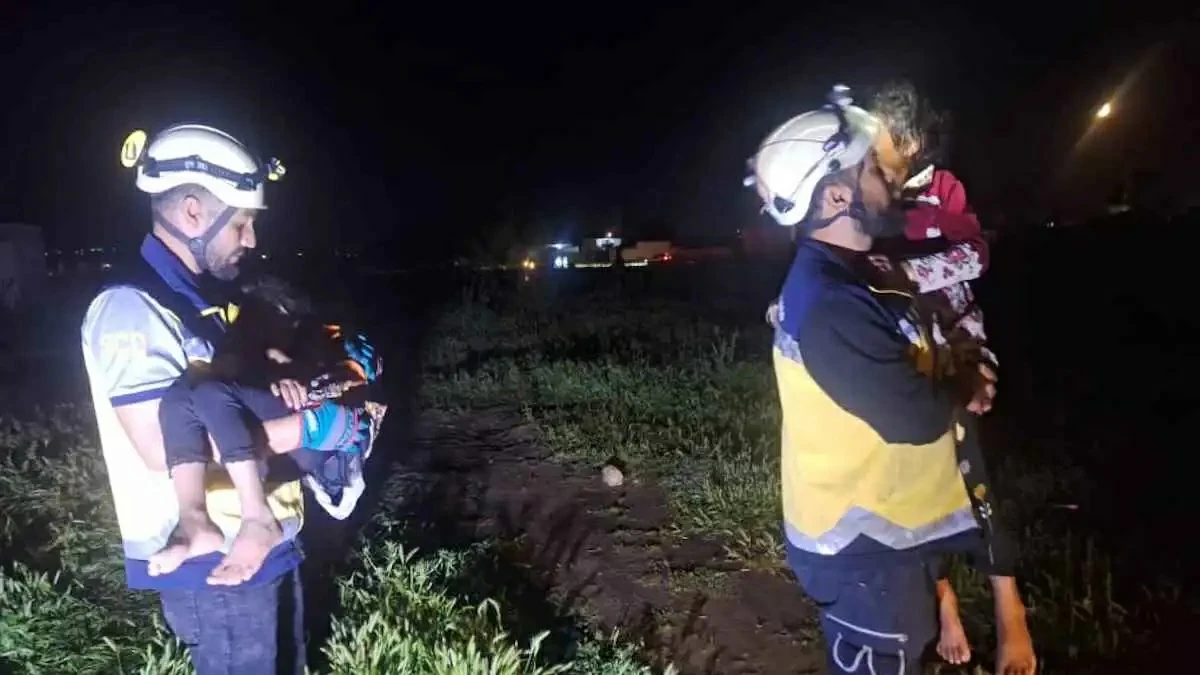
المشهد الذي وثقته عدسات الكاميرات بدا كأنه فصل من فصول المعاناة السورية، إذ استنفرت فرق الدفاع المدني السوري طاقاتها في عمليات إجلاء ملحمية، وشق المنقذون طريقهم وسط المياه الهادرة وهم يحملون الأطفال والضعفاء على أكتافهم للوصول بهم إلى بر الأمان.
غضب الطبيعة والسدود.. كيف حوصرت الخيام؟
الفيضانات التي ضربت ريف حلب الشرقي لم تأتِ زاحفة بهدوء، بل فاجأت السكان في عقر خيامهم نتيجة تضافر أسباب طبيعية وبشرية:
- الأمطار النادرة: هطلت أمطار غزيرة بكثافة غير معتادة في هذا التوقيت من العام بعد فترات جفاف طويلة، مما جعل التربة العطشى عاجزة عن امتصاص الطوفان.
- فخ السدود المائية: كشفت مصادر محلية أن الكارثة تسارعت بفعل عمليات تصريف مائي ضخمة ومفاجئة من سدود واقعة في مناطق أعلى المجرى في تركيا، ما ضاعف الضغط المائي وقذف بالسيول نحو خيام النازحين القابعة على ضفاف النهر في الجانب السوري.
وبالتوازي مع إنقاذ الأرواح، خاضت فرق الطوارئ معركة شرسة لإنقاذ ما يمكن إنقاذه، إذ انتشرت الآليات لشفط المياه الآسنة من داخل الخيام والمنازل المؤقتة التي غرقت أمتعتها بالكامل، مع سحب السيارات العالقة في الأوحال قبل أن تجرفها التيارات المائية.
ووسط هذا البرد الخانق والواقع الإنساني المرير، أمضى سكان المخيم ساعات حاسمة تحت قلق مرير، وأعينهم معلقة بالسماء ترقباً لأي تقلبات جوية جديدة قد تجدد السيول وتعمق جراح أجساد لم تكد تبرأ من مأساة حتى تباغتها أخرى.
On a harsh night when the simple shelters of displacement turned into a terrifying water trap, northern Syria shook with the impact of a sudden humanitarian disaster, as the water level of the Euphrates River rose rapidly and unexpectedly in 2026, surrounding the Jarablus camp from all sides and turning it into what resembled a “drowned island” amidst muddy passages and angry waves that put dozens of families in direct confrontation with the water.
The scene captured by cameras seemed like a chapter from the Syrian suffering, as the Syrian Civil Defense teams mobilized their efforts in epic evacuation operations, with rescuers forging their way through the roaring waters while carrying children and the weak on their shoulders to bring them to safety.
Nature’s Fury and Dams.. How Were the Tents Surrounded?
The floods that struck eastern Aleppo countryside did not creep in quietly; rather, they surprised the residents in the heart of their tents due to a combination of natural and human factors:
- Rare rains: Heavy rains fell with unusual intensity at this time of year after long periods of drought, making the thirsty soil unable to absorb the deluge.
- The dam trap: Local sources revealed that the disaster accelerated due to massive and sudden water discharges from dams located in upstream areas in Turkey, which doubled the water pressure and propelled the torrents toward the tents of displaced people sitting on the banks of the river on the Syrian side.
Alongside saving lives, emergency teams fought a fierce battle to salvage what could be saved, as vehicles spread out to pump out stagnant water from inside the tents and temporary homes that were completely submerged, while pulling out cars stuck in the mud before they were swept away by the currents.
Amidst this suffocating cold and the bitter humanitarian reality, the camp residents spent critical hours under agonizing anxiety, their eyes fixed on the sky in anticipation of any new weather changes that could renew the floods and deepen the wounds of bodies that had barely healed from one tragedy before being struck by another.