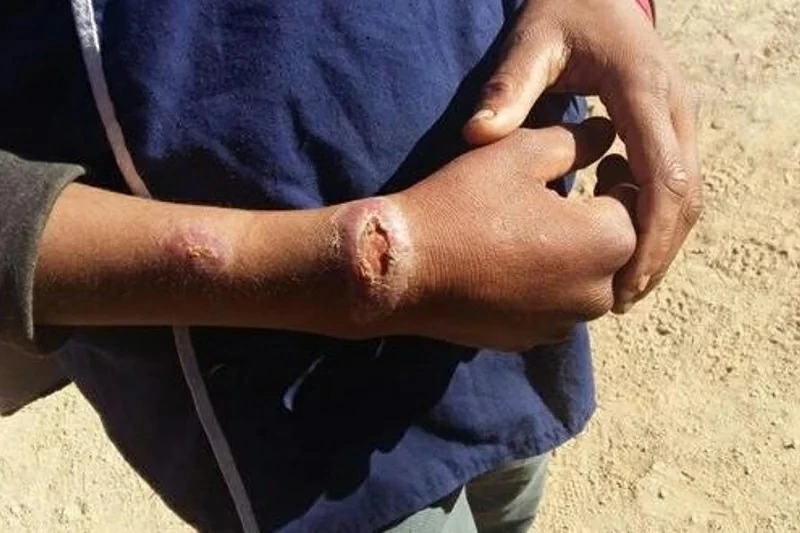
تحت جنح الظلام وفي أعقاب موجات السيول والأمطار الغزيرة، استيقظت مناطق واسعة في الجنوب الشرقي للمغرب على كابوس صحي مرعب يهدد سلامة آلاف السكان، بعدما تفشى مرض «الليشمانيا» الجلدية بصورة جنونية ومفاجئة، محولاً قرى بأكملها إلى بؤر وبائية معزولة تفتقر لأبسط مقومات الحياة والنجاة.
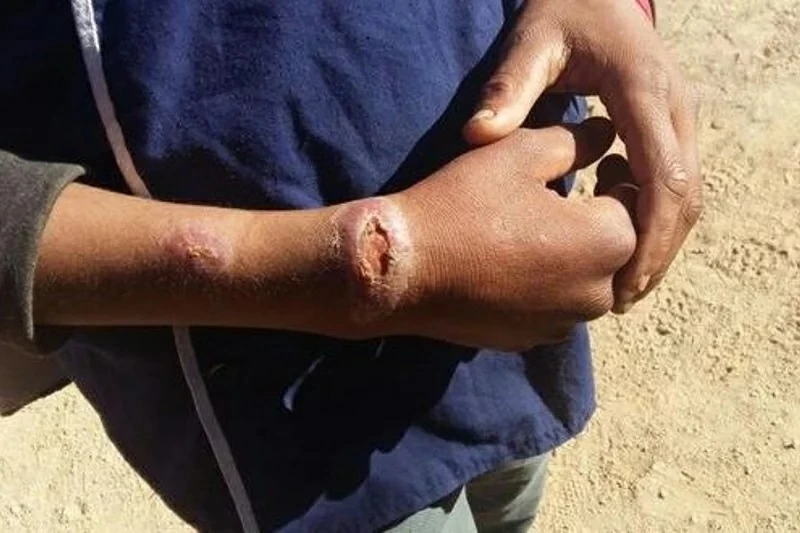
وجدت جحافل من ذباب الرمل والقوارض في البرك الراكدة والمستنقعات المتكونة إثر الفيضانات الأخيرة بيئة مثالية للتكاثر، لتنقل عدوى مدمرة تترك خلفها تقرحات جلدية عميقة وندوباً نفسية وجسدية قاسية طالت الأطفال بشكل خاص. وفي قلب هذه المأساة، تقف المنظومة الصحية المحلية عاجزة بحسب تقارير إعلامية محلية، فالمستوصفات النائية تحتاج إلى مزيد من الأطباء، ومخازن الأدوية تطالب بدعم نوعي، بينما يضطر المرضى للانتظار طويلاً وسط آلامهم دون أن يجدوا حلاً طبياً يخفف معاناتهم.
ولهذا بلغ الغضب الحقوقي ذروته في إقليمي زاكورة والرشيدية، في ظل مطالب تناقلتها وسائل الإعلام المغربية حول أهمية التدخل الرسمي لاحتواء الأزمة الصحية تجنباً لتنظيم مسيرات عارمة أمام المديريات الجهوية، احتجاجاً على سياسة الآذان الصماء التي يعتمدها بعض المسؤولين المحليين في تلك المناطق النائية. ومع استمرار جريان الأودية وتفاقم الخطر، بات التدخل العاجل والفوري لوزارة الصحة المغربية والسلطات المحلية طوق النجاة الوحيد لمنع تحول هذا الوباء الصامت إلى كارثة إنسانية لا يمكن السيطرة عليها.
Under the cover of darkness and in the aftermath of waves of floods and heavy rains, vast areas in the southeast of Morocco woke up to a terrifying health nightmare threatening the safety of thousands of residents, as the disease “cutaneous leishmaniasis” spread in a crazy and sudden manner, turning entire villages into isolated epidemic hotspots lacking the most basic elements of life and survival.
Hordes of sand flies and rodents found in the stagnant pools and swamps formed by the recent floods an ideal environment for breeding, transmitting a devastating infection that leaves behind deep skin ulcers and harsh psychological and physical scars, particularly affecting children. At the heart of this tragedy, the local health system stands helpless according to local media reports, as remote clinics need more doctors, and medicine stores are calling for qualitative support, while patients are forced to wait for long periods amidst their pain without finding a medical solution to alleviate their suffering.
As a result, human rights anger has reached its peak in the regions of Zagora and Errachidia, amid demands circulated by Moroccan media regarding the importance of official intervention to contain the health crisis to avoid organizing massive protests in front of regional directorates, in protest against the deaf ear policy adopted by some local officials in those remote areas. With the rivers continuing to flow and the danger escalating, the urgent and immediate intervention of the Moroccan Ministry of Health and local authorities has become the only lifeline to prevent this silent epidemic from turning into an uncontrollable humanitarian disaster.