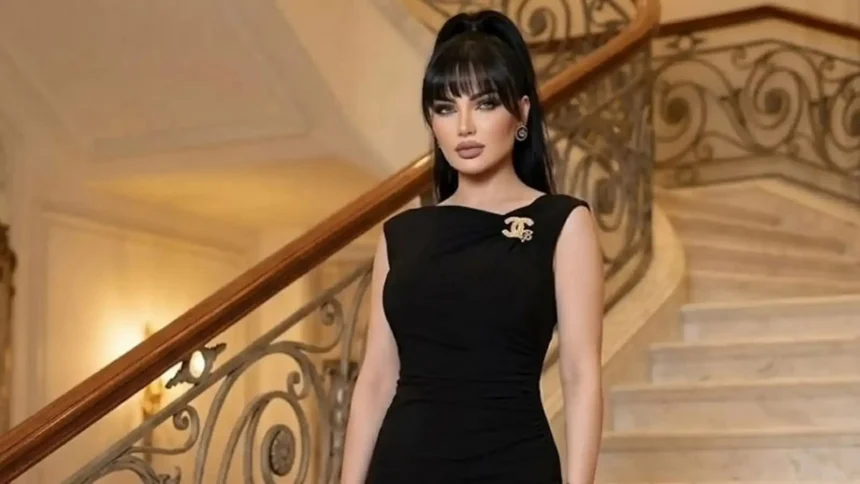
لم تكن تعلم أن ضغطة زر واحدة على خاصية «الستوري» قادرة على وضعها في ميزان الولاء للثورة، لكن الفنانة السورية صفاء سلطان وجدت نفسها في عين العاصفة، مطوقة بسيول من الانتقادات الحادة واتهامات مباشرة بالانحياز السياسي ودعم النظام السوري السابق، عقب نشرها تصميماً رقمياً يجمع بين أعلام فلسطين والأردن و«النسخة القديمة» لعلم سورية. هجوم لاذع اعتبر الصورة ترويجاً لمرحلة سياسية ماضية وموقفاً مناهضاً للثورة السورية، لتشتعل مواقع التواصل الاجتماعي بآراء غاضبة طالبتها بتوضيح فوري.
ولم تلتزم الفنانة السورية الصمت أمام هذا التصعيد الكبير، إذ سارعت إلى إصدار بيان رسمي مطوّل عبر حسابها على «إنستغرام» لقطع الطريق أمام الشائعات. وأكدت صفاء سلطان بلهجة يغلبها التأثر أن ما حدث كان «خطأً غير مقصود» وسوء تفاهم بحت، موضحة أن الصورة وصلتها كهدية تقديرية من إحدى المعجبات، وتم توليدها عبر تقنيات الذكاء الاصطناعي. وأقرت بأنها أعادت نشرها بحسن نية تقديراً لمحبة الجمهور، دون أن تتمعن طويلاً في تفاصيل التصميم وخلفياته الدقيقة.
حرصت الفنانة السورية على تدارك الموقف سريعاً بحذف المنشور فور اكتشافها للخطأ، وطلبت من المعجبة عينها إزالته، فضلاً عن تقديم توضيح إعلامي أولي. ورغم تلك الخطوات، رأت أن حجم الجدل يتطلب بياناً قاطعاً لا يحتمل التأويل، لترسل رسالة مطولة لكل منتقديها قائلة: «الأكيد أنني عمري ما كنت إلا مع أهل سورية يلي أنا بنتهم، ولا في عمري تخليت عنهم». وأضافت مبرزةً عمق انتمائها العروبي والوطني بعبارتها الشهيرة: «أنا نشمية دمشقية، وطول ما سورية بخير الوطن العربي كله بخير.. وطول عمرنا واحد».
وبين أخطاء التقنيات الحديثة وحساسية المشهد السوري، يبقى التساؤل قائماً: هل تنجح كلمات صفاء سلطان في إخماد نيران الجدل، أم أن أرشيف الصور الرقمية بات حقل ألغام حقيقي للمشاهير؟
She did not know that a single button press on the “story” feature could place her in the balance of loyalty to the revolution, but the Syrian artist Safaa Sultan found herself in the eye of the storm, surrounded by torrents of sharp criticism and direct accusations of political bias and support for the former Syrian regime, following her posting of a digital design that combines the flags of Palestine and Jordan with the “old version” of the Syrian flag. The scathing attack considered the image a promotion of a past political phase and an anti-revolutionary stance, igniting social media with angry opinions demanding an immediate clarification from her.
The Syrian artist did not remain silent in the face of this significant escalation; she quickly issued a lengthy official statement via her Instagram account to cut off the rumors. Safaa Sultan confirmed, with a tone of deep emotion, that what happened was an “unintentional mistake” and a mere misunderstanding, explaining that the image was sent to her as a token of appreciation from one of her fans and was generated using artificial intelligence techniques. She admitted that she reposted it in good faith, appreciating the love of her audience, without thoroughly examining the details of the design and its precise backgrounds.
The Syrian artist was keen to rectify the situation quickly by deleting the post as soon as she discovered the mistake, and she asked the same fan to remove it, in addition to providing an initial media clarification. Despite these steps, she felt that the magnitude of the controversy required a definitive statement that left no room for interpretation, sending a lengthy message to all her critics, saying: “It is certain that I have always been with the people of Syria, whom I am one of, and I have never abandoned them.” She added, emphasizing the depth of her Arab and national identity with her famous phrase: “I am a Damascene Nashmiya, and as long as Syria is well, the whole Arab nation is well… and we have always been one.”
Amid the errors of modern technologies and the sensitivity of the Syrian scene, the question remains: Will Safaa Sultan’s words succeed in extinguishing the flames of controversy, or has the archive of digital images become a real minefield for celebrities?