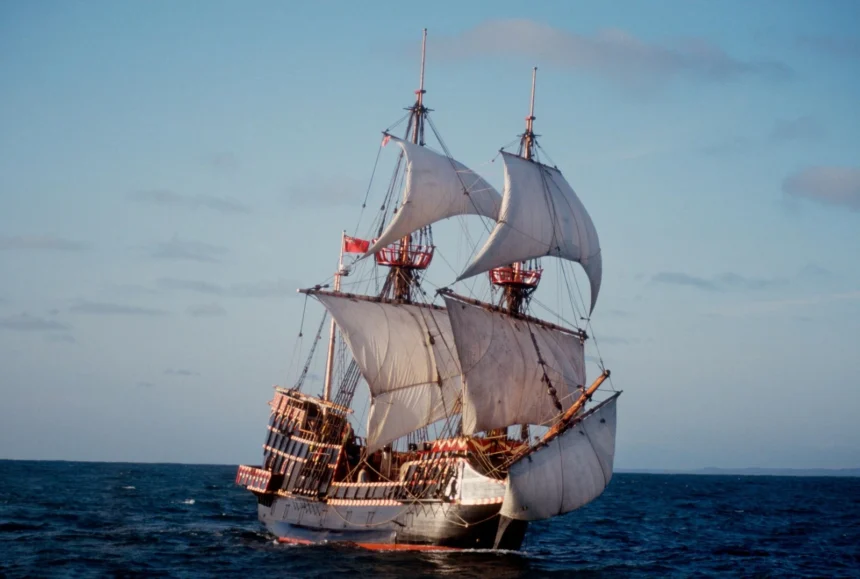
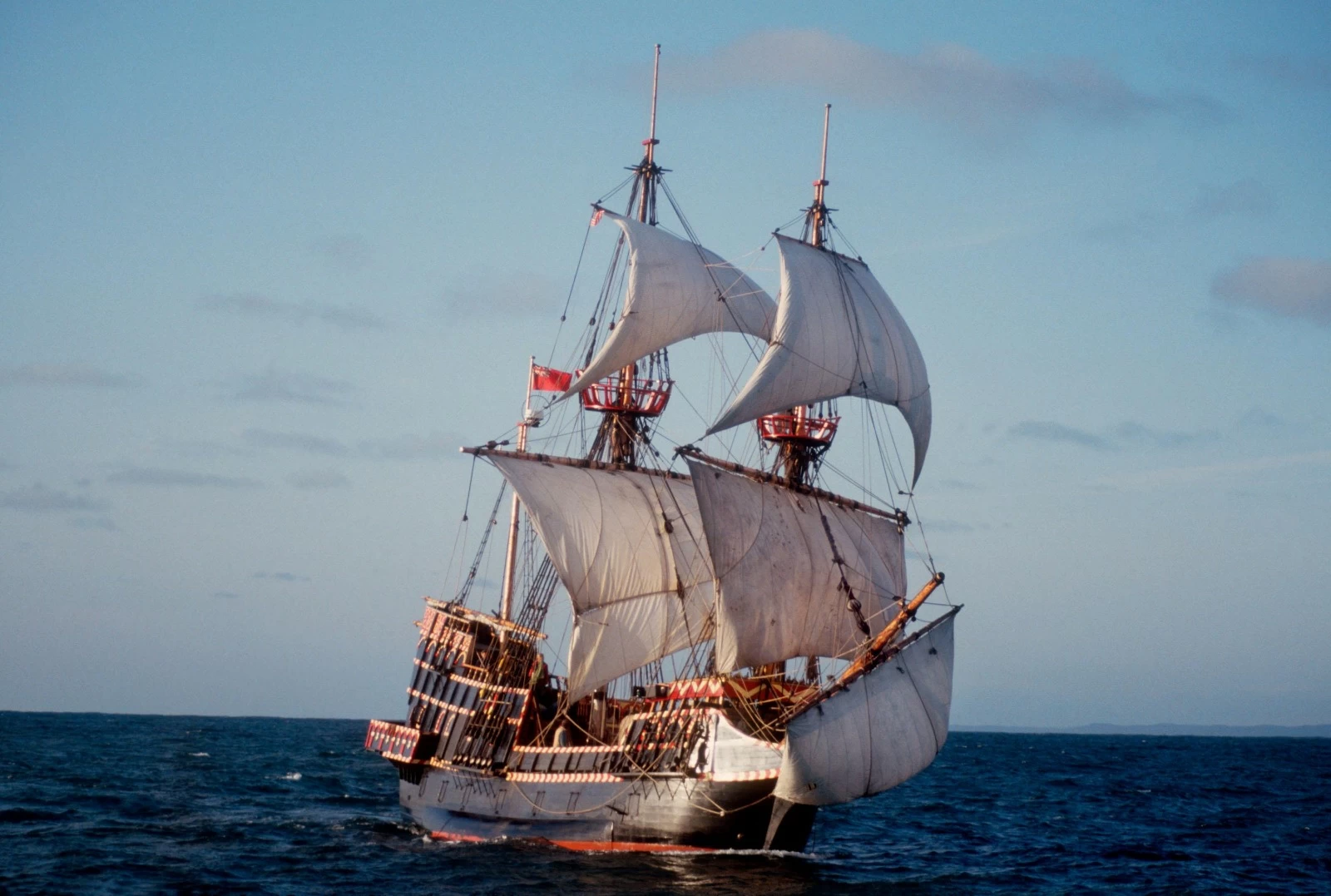
نجح باحثون بريطانيون في حل لغز قفل نحاسي ظل مغلقًا لأكثر من أربعة قرون، بعدما عُثر عليه بين كنوز سفينة تجارية غرقت قبالة سواحل ويلز عام 1583، إذ تمكن العلماء من كشف رمزه السري باستخدام تقنية التصوير المقطعي، دون الحاجة إلى إتلاف القفل أو تفكيك أجزائه الأثرية.
وأعلنت جامعة كارديف ومتحف ويلز الوطني، أمس (الأربعاء)، أن فريقًا من الخبراء استطاع تحديد الشفرة المكونة من أربعة أحرف «ANCE»، التي أبقت القفل مغلقًا منذ غرق سفينة «آن فرانسيس» قبل 443 عامًا، في اكتشاف أنهى لغزًا حيّر الباحثين منذ العثور على القطعة الأثرية.
عاصفة أغرقت السفينة ودفنت كنوزها
وتعود قصة القفل إلى 28 ديسمبر 1583، عندما تعرضت السفينة التجارية «آن فرانسيس» لعاصفة عنيفة أثناء عودتها من إسبانيا، ما أدى إلى انحرافها عن مسارها وتحطمها على شاطئ مارغام قرب مدينة بورت تالبوت في ويلز.
وظلت مقتنيات السفينة مدفونة تحت الرمال لمئات السنين، قبل أن تبدأ العواصف وعمليات التجريف في كشف آثارها، ليعثر الباحث عن المعادن بيتر هيوز على مجموعة من القطع الأثرية خلال عمليات بحث امتدت 21 عامًا، بين عامي 1996 و2017.
وكان القفل النحاسي من أبرز المكتشفات، بعدما أثارت حالته الجيدة دهشة مكتشفه، خصوصًا أن حلقاته المعدنية ظلت قابلة للدوران رغم بقائه مدفونًا أكثر من أربعة قرون.
التصوير المقطعي يكشف الشفرة
واستخدم الباحث ديفيد ويليامز، من كلية الهندسة بجامعة كارديف، تقنية التصوير المقطعي الدقيق لإنشاء صورة ثلاثية الأبعاد للآلية الداخلية للقفل، ما سمح بتحديد مواضع الشقوق المعدنية ومطابقتها مع الحروف الموجودة على حلقاته.
وبعد تحليل النتائج، توصل الفريق إلى الشفرة الصحيحة، قبل أن يختبرها خبراء المتحف ويتمكنوا من فتح القفل بنجاح، دون إلحاق أي ضرر بالقطعة الأثرية.
وأوضح ويليامز أن التقنية تُستخدم عادة لدراسة العظام والتراكيب البيولوجية، مشيرًا إلى أن تطبيقها على قفل تاريخي يعود إلى القرن السادس عشر كان تجربة استثنائية.
لغز جديد رغم فتح القفل
ورغم نجاح العلماء في فك الشفرة، لا يزال الغموض يحيط بالغرض الأصلي من القفل، إذ يرجح الباحثون أنه كان يُستخدم لحماية صندوق صغير يضم مقتنيات ثمينة، بعدما عُثر عليه بالقرب من عملات فضية إسبانية وأوزان مخصصة للعملات.
ولا يستبعد الخبراء أن يكون الصندوق قد احتوى على وثائق أو منسوجات ثمينة لم تصمد أمام مرور القرون، فيما لا يزال معنى الأحرف الأربعة «ANCE» مجهولًا، وما إذا كانت تحمل دلالة خاصة لصاحب القفل.
ويُعرض القفل حاليًا ضمن مقتنيات سفينة «آن فرانسيس» في متحف الواجهة البحرية الوطني بمدينة سوانزي الويلزية، إلى جانب عملات ذهبية نادرة وقطع أثرية أخرى انتُشلت من حطام السفينة.
British researchers have succeeded in solving the mystery of a brass lock that remained closed for over four centuries, after it was found among the treasures of a merchant ship that sank off the coast of Wales in 1583. Scientists managed to uncover its secret code using tomography technology, without the need to damage the lock or dismantle its archaeological parts.
Cardiff University and the National Museum of Wales announced yesterday (Wednesday) that a team of experts was able to identify the four-letter code “ANCE,” which kept the lock closed since the sinking of the “Anne Frances” ship 443 years ago, in a discovery that ended a mystery that puzzled researchers since the artifact was found.
A storm sank the ship and buried its treasures
The story of the lock dates back to December 28, 1583, when the merchant ship “Anne Frances” was caught in a violent storm while returning from Spain, causing it to veer off course and crash on the shore of Margam near the town of Port Talbot in Wales.
The ship’s belongings remained buried under the sand for hundreds of years, before storms and dredging operations began to reveal its remnants, leading metal detectorist Peter Hughes to discover a collection of artifacts during a 21-year search between 1996 and 2017.
The brass lock was one of the most notable discoveries, as its good condition amazed its discoverer, especially since its metal rings remained movable despite being buried for more than four centuries.
Tomography reveals the code
Researcher David Williams from the School of Engineering at Cardiff University used precise tomography technology to create a three-dimensional image of the lock’s internal mechanism, allowing for the identification of the positions of the metal notches and matching them with the letters on its rings.
After analyzing the results, the team arrived at the correct code, before museum experts tested it and successfully opened the lock without causing any damage to the artifact.
Williams explained that the technology is typically used to study bones and biological structures, noting that applying it to a historical lock dating back to the 16th century was an exceptional experience.
A new mystery despite opening the lock
Despite the scientists’ success in deciphering the code, the original purpose of the lock remains shrouded in mystery, as researchers believe it was used to protect a small box containing valuable items, after it was found near Spanish silver coins and weights designated for currency.
Experts do not rule out that the box may have contained documents or valuable textiles that did not withstand the passage of centuries, while the meaning of the four letters “ANCE” remains unknown, as well as whether they hold special significance for the lock’s owner.
The lock is currently displayed among the artifacts of the “Anne Frances” ship at the National Waterfront Museum in Swansea, Wales, alongside rare gold coins and other artifacts recovered from the shipwreck.