أعلنت الرئاسات الأربع في العراق دعمها لملف حصر السلاح بيد الدولة، فيما شددت على تنويع مصادر الإيرادات المالية وعدم الاعتماد على النفط.
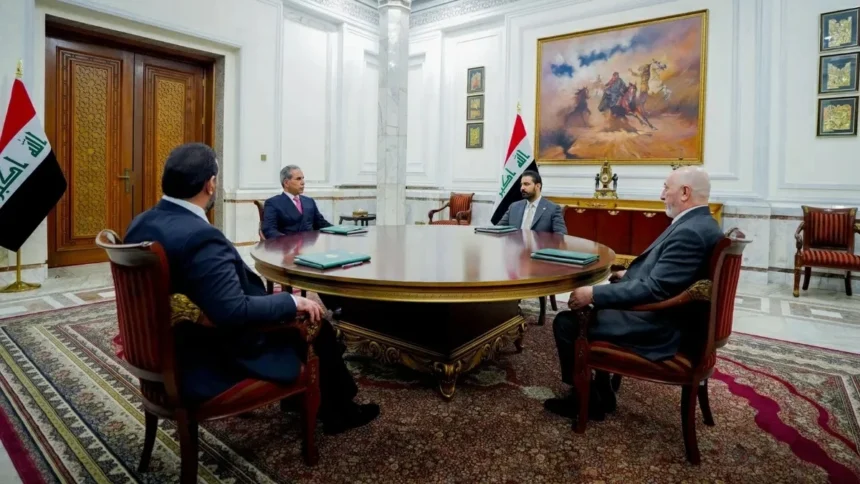
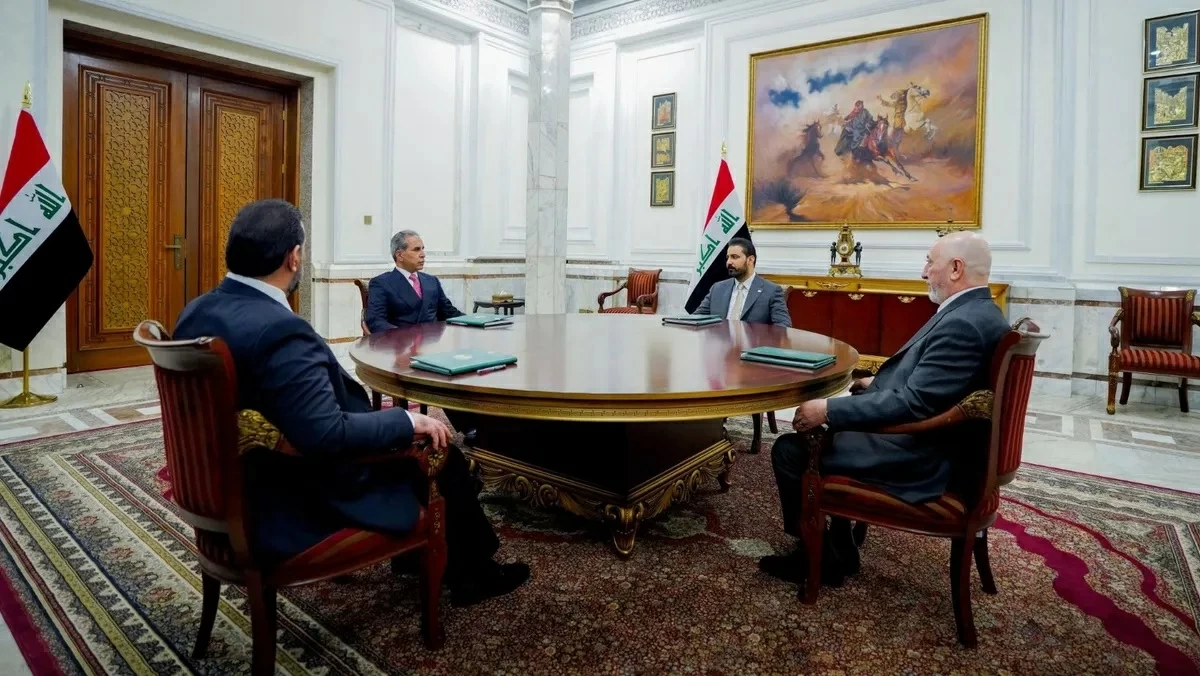
وجددت الرئاسات ممثلة بالرئيس العراقي نزار أميدي، ورئيس الوزراء علي الزيدي، ورئيس البرلمان هيبت الحلبوسي، ورئيس مجلس القضاء الأعلى القاضي فائق زيدان في ختام اجتماع لها الليلة الماضية تأكيدها على مبدأ حصر السلاح بيد الدولة بوصفه ركناً أساسياً من أركان سيادة القانون وترسيخ هيبة الدولة، مشيدة بالمواقف والخطوات الوطنية التي أعلنتها الجهات والقوى التي بادرت إلى فك ارتباطها بهيئة الحشد الشعبي انسجاماً مع الدستور والقانون ومتطلبات بناء الدولة.
كما أكدت أن القرارين الأمني والعسكري يجب أن يكونا حصراً بيد الدولة العراقية ومؤسساتها الدستورية وتحت إمرة القائد العام للقوات المسلحة، مشددة على أهمية دور السلطة القضائية في إنفاذ القانون ومحاسبة كل من يتجاوز على المال العام ومؤسسات الدولة أو يهدد أمن الدولة، بما يكفل حماية النظام الدستوري وصون حقوق المواطنين، وترسيخ العدالة وسيادة القانون.
وفي الشأن الاقتصادي والمالي -وفقا لبيان رئاسة الجمهورية- شدد المجتمعون على أهمية تعزيز الاستقرار المالي ودعم الاقتصاد الوطني وتنويع مصادر الدخل وعدم الاعتماد على الإيرادات النفطية فقط، من خلال تطوير القطاعات الإنتاجية والصناعية والزراعية والسياحية، وتشجيع الاستثمار المحلي والأجنبي ودعم القطاع الخاص وتمكينه من أداء دوره في التنمية الاقتصادية، مع التأكيد على دعم جهود الحكومة وإجراءاتها الرامية إلى تنفيذ برامج الإصلاح الاقتصادي وتحقيق التنمية المستدامة.
من جهة أخرى، يستعد رئيس الوزراء العراقي علي الزيدي للقيام بزيارة إلى واشنطن.
وأفاد مصدر حكومي لـ«عكاظ» بأن الزيدي سيحمل معه ملفات مهمة تعالج مشاكل مستعصية في البلاد سيناقشها مع الإدارة الأمريكية، من بينها تصدير 500 ألف برميل يومياً إلى أمريكا مقابل الدخول بشراكات مهمة مع شركات عملاقة لحل مشاكل معقدة في العراق، من بينها الطاقة الكهربائية، إلى جانب قطاعات الصناعة والزراعة وغيرها.
ولفت إلى أن هذه الشراكات تتم وفق سقف زمني ومالي معلوم وضوابط ملزمة للجانبين، حيث سيتم توظيف عائدات النفط المشار إليها في تمويل المشاريع للنهوض بالواقع الاقتصادي والخدمي وحتى السياحي.
The four presidencies in Iraq announced their support for the file of weapon control in the hands of the state, emphasizing the importance of diversifying financial revenue sources and not relying solely on oil.
The presidencies, represented by Iraqi President Nizar Amidi, Prime Minister Ali Al-Zaydi, Parliament Speaker Haibat Al-Halbousi, and Chief Justice Faik Zidan, reaffirmed at the conclusion of their meeting last night the principle of weapon control in the hands of the state as a fundamental pillar of the rule of law and the consolidation of state authority. They praised the national positions and steps announced by the entities and forces that initiated their disassociation from the Popular Mobilization Forces in line with the constitution, law, and the requirements of state-building.
They also confirmed that security and military decisions should be exclusively in the hands of the Iraqi state and its constitutional institutions, under the command of the Commander-in-Chief of the Armed Forces. They emphasized the importance of the judiciary’s role in enforcing the law and holding accountable anyone who infringes on public funds and state institutions or threatens state security, ensuring the protection of the constitutional system, safeguarding citizens’ rights, and reinforcing justice and the rule of law.
Regarding the economic and financial situation – according to a statement from the Presidency – the attendees stressed the importance of enhancing financial stability, supporting the national economy, diversifying income sources, and not relying solely on oil revenues. This can be achieved by developing productive, industrial, agricultural, and tourism sectors, encouraging local and foreign investment, and empowering the private sector to play its role in economic development, while supporting the government’s efforts and measures aimed at implementing economic reform programs and achieving sustainable development.
On another note, Iraqi Prime Minister Ali Al-Zaydi is preparing for a visit to Washington.
A government source informed “Okaz” that Al-Zaydi will carry with him important files addressing persistent problems in the country that he will discuss with the U.S. administration, including exporting 500,000 barrels per day to America in exchange for entering into significant partnerships with major companies to solve complex issues in Iraq, including electricity, as well as the industrial and agricultural sectors, among others.
He pointed out that these partnerships will be established within a known time and financial framework and binding regulations for both parties, where the revenues from the mentioned oil exports will be used to finance projects aimed at improving the economic, service, and even tourism realities.