



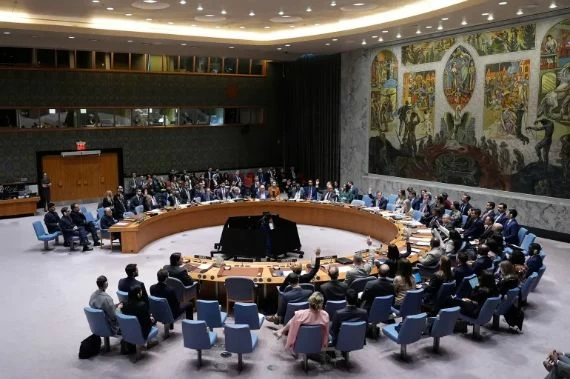
تحول مشروع القرار المطروح في مجلس الأمن، المطالب بضمان حرية الملاحة عبر مضيق هرمز، إلى المشروع الأكثر تأييداً داخل أروقة الأمم المتحدة، بعدما كشفت مصادر دبلوماسية عن حصوله على دعم 137 دولة، في مؤشر على تصاعد القلق الدولي من تداعيات التوترات التي تهدد أحد أهم الممرات البحرية لنقل الطاقة والتجارة العالمية.
ويهدف مشروع القرار، الذي تقدمت به الولايات المتحدة والبحرين، إلى حماية حركة الشحن التجاري وإمدادات الطاقة، وضمان سلامة البحارة، إلى جانب الدعوة لوقف الهجمات الإيرانية على جيرانها في الخليج.
دعم خليجي ودولي واسع
وانضمت السعودية وقطر والكويت إلى البحرين وواشنطن كرعاة رئيسيين لمشروع القرار، فيما أبدت الهند واليابان وكوريا الجنوبية وكينيا والأرجنتين ومعظم دول الاتحاد الأوروبي دعمها للمقترح، بحسب المصادر الدبلوماسية.
ويعكس هذا التأييد الواسع إدراكاً دولياً متزايداً لحساسية مضيق هرمز، الذي تمر عبره نسبة كبيرة من صادرات النفط العالمية، وأهمية تحييده عن أي تصعيد عسكري أو سياسي يهدد أمن الملاحة الدولية.
«فيتو» صيني روسي يلوح مجدداً
ورغم أن بكين وموسكو أبدتا تحفظات جديدة على الصيغة الحالية، فإنهما لم تكشفا بعد ما إذا كانتا ستستخدمان «الفيتو» مجدداً لإسقاط المشروع.
مفاوضات متعثرة وشروط متبادلة
ويأتي التحرك داخل أروقة مجلس الأمن في وقت لا تزال فيه مفاوضات السلام بين واشنطن وطهران تراوح مكانها وسط تباعد واضح في المواقف.
وتطالب الولايات المتحدة إيران بتفكيك برنامجها النووي ورفع القيود المفروضة على الملاحة في مضيق هرمز، بينما تتمسك طهران بالحصول على تعويضات عن الحرب، وإنهاء الحصار البحري المفروض على موانئها، إضافة إلى وقف إطلاق النار على مختلف الجبهات، بما فيها لبنان، حيث تدور مواجهات بين إسرائيل و«حزب الله» المدعوم من إيران.
كما تصر طهران على تضمين أي اتفاق سلام اعترافاً بسيادتها على مضيق هرمز، وهو الشرط الذي رفضته واشنطن واعتبرته «غير مقبول».
طهران تدرس الرد الأمريكي
أعلنت وزارة الخارجية الإيرانية، الأربعاء، أنها تدرس رداً من الولايات المتحدة في إطار المحادثات الهادفة لإنهاء الحرب، مع استقبالها، الأربعاء، وزير الداخلية الباكستاني محسن نقوي، الذي تقود بلاده الوساطة بين الطرفين.
وقال المتحدث باسم الخارجية الإيرانية إسماعيل بقائي في تصريحات للتلفزيون الرسمي «تلقينا وجهات نظر الجانب الأميركي وندرسها حالياً. حضور وزير الداخلية الباكستاني هو لتسهيل تبادل الرسائل مع الولايات المتحدة».
The proposed resolution in the Security Council, demanding the guarantee of freedom of navigation through the Strait of Hormuz, has become the most supported project within the halls of the United Nations, after diplomatic sources revealed that it has received backing from 137 countries, indicating a rise in international concern over the repercussions of tensions threatening one of the most important maritime routes for energy and global trade.
The resolution, introduced by the United States and Bahrain, aims to protect commercial shipping and energy supplies, ensure the safety of sailors, and calls for an end to Iranian attacks on its neighbors in the Gulf.
Broad Gulf and International Support
Saudi Arabia, Qatar, and Kuwait have joined Bahrain and Washington as key sponsors of the resolution, while India, Japan, South Korea, Kenya, Argentina, and most EU countries have expressed their support for the proposal, according to diplomatic sources.
This broad support reflects an increasing international awareness of the sensitivity of the Strait of Hormuz, through which a significant percentage of global oil exports pass, and the importance of neutralizing it from any military or political escalation that threatens the security of international navigation.
Chinese and Russian “Veto” Looms Again
Although Beijing and Moscow have expressed new reservations about the current draft, they have not yet revealed whether they will use the “veto” again to block the project.
Stalled Negotiations and Mutual Conditions
The move within the Security Council comes at a time when peace negotiations between Washington and Tehran are still stagnant amid a clear divergence in positions.
The United States demands that Iran dismantle its nuclear program and lift restrictions imposed on navigation in the Strait of Hormuz, while Tehran insists on receiving compensation for the war and ending the maritime blockade imposed on its ports, in addition to a ceasefire on various fronts, including Lebanon, where clashes are taking place between Israel and the Iran-backed “Hezbollah.”
Tehran also insists on including recognition of its sovereignty over the Strait of Hormuz in any peace agreement, a condition that Washington has rejected and deemed “unacceptable.”
Tehran Considers the U.S. Response
The Iranian Foreign Ministry announced on Wednesday that it is considering a response from the United States as part of the talks aimed at ending the war, while receiving on Wednesday the Pakistani Interior Minister Mohsin Naqvi, whose country is mediating between the two sides.
Iranian Foreign Ministry spokesman Ismail Baghaei stated in remarks to state television, “We have received the views of the American side and are currently studying them. The presence of the Pakistani Interior Minister is to facilitate the exchange of messages with the United States.”