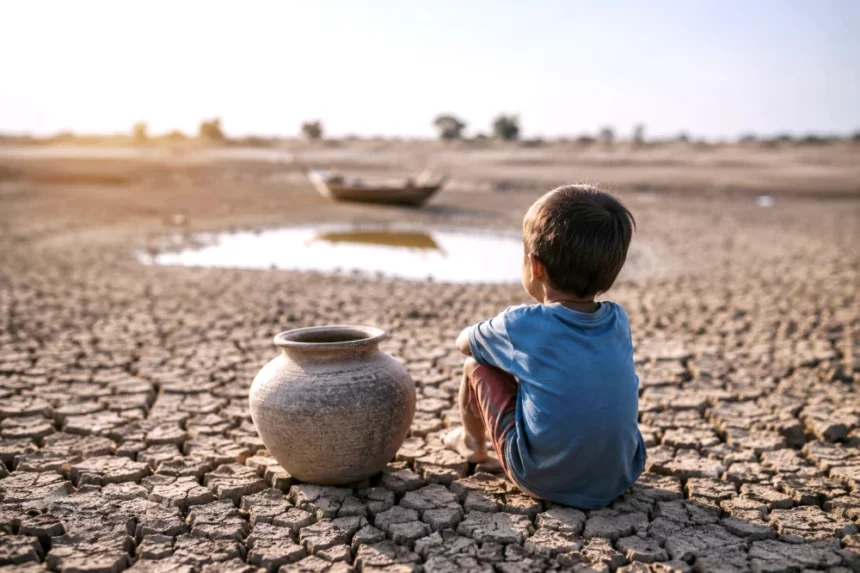
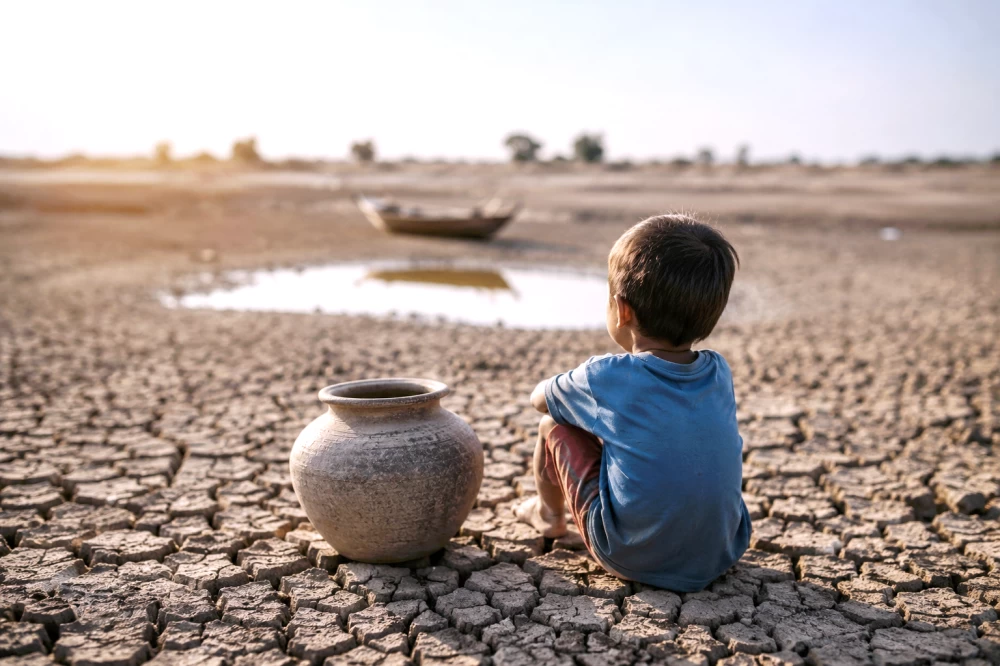
حذّرت منظمة الأمم المتحدة للطفولة (يونيسف) من تصاعد المخاطر المناخية التي باتت تهدّد حياة الأطفال حول العالم، مؤكدة أن الجفاف وموجات الحر الشديد والظواهر الجوية المتطرفة أصبحت تشكّل تحديًا متزايدًا لصحتهم وتعليمهم ومستقبلهم.
وأظهر تقرير «مخاطر المناخ على الأطفال 2026» أن نحو 1.1 مليار طفل حول العالم يتعرضون لثلاثة مخاطر مناخية متداخلة على الأقل، فيما يواجه نحو 1.8 مليار طفل آثار الجفاف، ويتعرّض نحو 1.2 مليار طفل لدرجات حرارة مرتفعة للغاية. كما باتت موجات الحر الطويلة والعواصف والفيضانات من التهديدات المتكررة التي تؤثر على حياة الأطفال في مختلف القارات.
وأشارت المنظمة إلى أن الأطفال يُعدّون الفئة الأكثر تأثرًا بالأزمات المناخية، نظرًا لحساسيتهم الصحية واعتمادهم على خدمات أساسية مثل التعليم والرعاية الصحية والمياه النظيفة، وهي خدمات تتعرّض لضغوط متزايدة مع تفاقم التغير المناخي.
ودعت «يونيسف» الحكومات والمؤسسات الدولية إلى تسريع إجراءات التكيّف مع التغيّر المناخي، والاستثمار في البنية التحتية والخدمات الأساسية، إلى جانب خفض الانبعاثات المسببة للاحتباس الحراري، لحماية الأجيال القادمة من تداعيات أزمة بيئية تتسع رقعتها عامًا بعد آخر.
The United Nations Children’s Fund (UNICEF) has warned of the escalating climate risks that threaten the lives of children around the world, emphasizing that drought, extreme heat waves, and extreme weather events have become an increasing challenge to their health, education, and future.
The report “Climate Risks to Children 2026” revealed that approximately 1.1 billion children worldwide are exposed to at least three overlapping climate risks, while about 1.8 billion children face the impacts of drought, and around 1.2 billion children are subjected to extremely high temperatures. Long heat waves, storms, and floods have also become recurring threats affecting children’s lives across different continents.
The organization pointed out that children are the most affected group by climate crises, due to their health sensitivity and reliance on essential services such as education, healthcare, and clean water, which are increasingly under pressure as climate change worsens.
UNICEF urged governments and international institutions to accelerate adaptation measures to climate change, invest in infrastructure and essential services, and reduce greenhouse gas emissions to protect future generations from the consequences of an environmental crisis that is expanding year after year.