



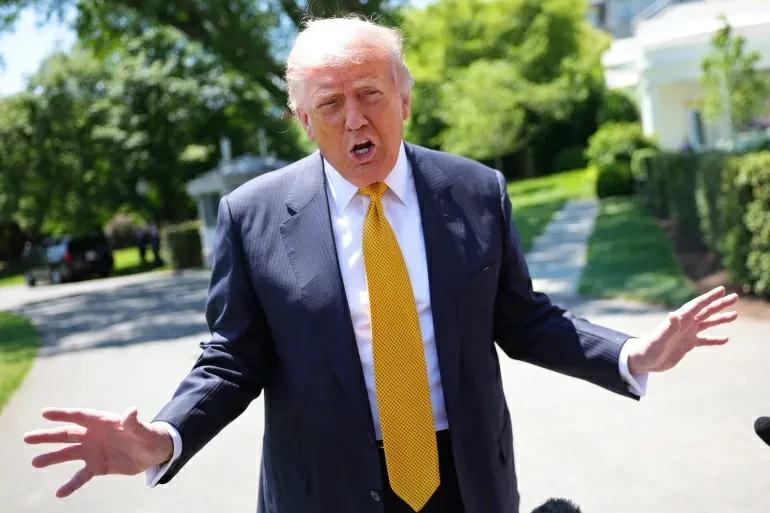
فيما أكد متحدث باسم وزارة الخارجية الإيرانية أن المفاوضات بين طهران وواشنطن متواصلة عبر باكستان، أكد الرئيس الأمريكي دونالد ترمب اليوم (الأربعاء)، أن قواته تفرض حصاراً بحرياً على إيران يسمى الجدار الفولاذي
وقال ترمب للصحفيين: لا أحد يستطيع اختراق الحصار البحري الذي نفرضه على إيران،، مبيناً أن بلاده ستصادر المزيد من ناقلات النفط الإيراني.
وأضاف: لن نسمح لإيران بالحصول على سلاح نووي ولدينا دعم كبير لذلك، مبيناً أن إيران تتوق بشدة للتوصل إلى اتفاق.
وشدد بالقول: سنرى ما ستؤول إليه الأمور مع إيران، وقد وجهنا إليهم ضربات قوية، وقد نضطر لتوجيه ضربات أقسى، لافتاً إلى أنهم في المراحل النهائية من المفاوضات مع إيران.
وأضاف: سنرى ما سيحدث إما أن نتوصل إلى اتفاق مع إيران أو سنقوم بأمور قاسية، ونأمل ألا يحدث ذلك.
وأشار إلى أن السؤال المطروح هو ما إذا كانت إيران ستوقع وثيقة اتفاق أو نذهب لإكمال المهمة؟.
بدوره، أعلن رئيس الأركان الإسرائيلي، إيال زامير، أن الجيش في أعلى درجات التأهب.
وقال زامير خلال اجتماع ضم قادة الوحدات العسكرية، إنه في هذه اللحظة، الجيش الإسرائيلي في أعلى درجات التأهب ومستعد لأي تطور.
وكانت إيران، قدمت، قبل أيام، عبر الوسيط الباكستاني، مقترحاً جديداً في المفاوضات، في حين قال ترمب إنه أصدر تعليمات للجيش الأمريكي بعدم تنفيذ الهجوم الذي كان مقرراً الثلاثاء، لكنه شدد في الوقت نفسه على الاستعداد لشن هجوم شامل واسع النطاق على إيران في أي لحظة إذا لم يتم التوصل إلى اتفاق مقبول.
وفي ظل الضغوط التي يواجهها للتوصل إلى تسوية تفضي إلى إعادة فتح مضيق هرمز، أعرب الرئيس الأمريكي في وقت سابق عن أمله في أن يكون إنهاء الحرب عبر اتفاق أمراً قريب المنال.
وذكرت وكالة الأنباء الإيرانية «إرنا» الثلاثاء أن نائب وزير الخارجية للشؤون القانونية والدولية، كاظم غريب آبادي، قدم خلال اجتماع مع أعضاء لجنة الأمن القومي في البرلمان، تقريراً حول مسار المفاوضات والمقترح الذي قدمته إيران إلى الجانب الأمريكي، مبينة أن طهران شددت في مقترحاتها الأخيرة على عدد من المحاور، أبرزها: التأكيد على حق إيران في تخصيب اليورانيوم والتمتع بالحقوق النووية السلمية، وإنهاء الحرب على جميع الجبهات بما في ذلك لبنان، ورفع الحصار البحري الأمريكي، والإفراج عن الأصول والأموال الإيرانية المجمدة.
While a spokesperson for the Iranian Foreign Ministry confirmed that negotiations between Tehran and Washington are ongoing through Pakistan, U.S. President Donald Trump stated today (Wednesday) that his forces are imposing a maritime blockade on Iran called the steel wall.
Trump told reporters: No one can breach the maritime blockade we impose on Iran, indicating that his country will seize more Iranian oil tankers.
He added: We will not allow Iran to obtain a nuclear weapon, and we have significant support for that, noting that Iran is very eager to reach an agreement.
He emphasized by saying: We will see how things will turn out with Iran; we have dealt them strong blows, and we may have to deliver harsher blows, pointing out that they are in the final stages of negotiations with Iran.
He added: We will see what happens; either we reach an agreement with Iran or we will take harsh actions, and we hope that does not happen.
He noted that the question is whether Iran will sign the agreement document or if we will go to complete the mission?
For his part, Israeli Chief of Staff Eyal Zamir announced that the army is at its highest state of readiness.
Zamir said during a meeting with military unit leaders that at this moment, the Israeli army is at its highest state of readiness and prepared for any developments.
Just days ago, Iran presented a new proposal in the negotiations through the Pakistani mediator, while Trump stated that he had instructed the U.S. military not to carry out the attack that was scheduled for Tuesday, but at the same time emphasized readiness to launch a comprehensive large-scale attack on Iran at any moment if an acceptable agreement is not reached.
Amid the pressures he faces to reach a settlement that leads to the reopening of the Strait of Hormuz, the U.S. president earlier expressed hope that ending the war through an agreement is within reach.
The Iranian news agency “IRNA” reported on Tuesday that the Deputy Foreign Minister for Legal and International Affairs, Kazem Gharib Abadi, presented a report during a meeting with members of the National Security Committee in Parliament regarding the course of negotiations and the proposal Iran presented to the U.S. side, indicating that Tehran emphasized in its recent proposals several key points, most notably: affirming Iran’s right to enrich uranium and enjoy peaceful nuclear rights, ending the war on all fronts including Lebanon, lifting the U.S. maritime blockade, and releasing frozen Iranian assets and funds.


