في نتائج قد تفتح مساراً بحثياً جديداً لفهم سبل مواجهة تليف الرئة، كشفت دراسة علمية روسية كازاخستانية عن دور محتمل لمركبات طبيعية موجودة في بعض الثمار البرية في تقليل التغيرات التليفية والالتهابات التي تصيب أنسجة الرئة.
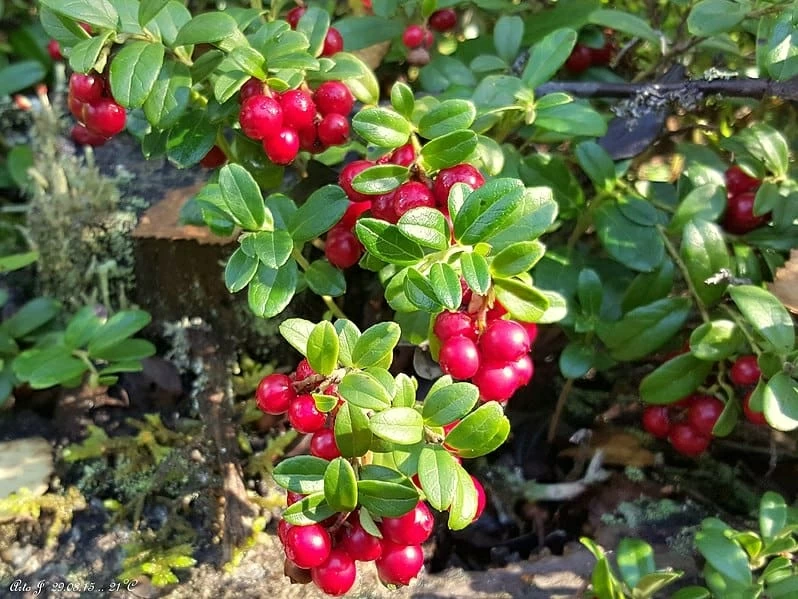
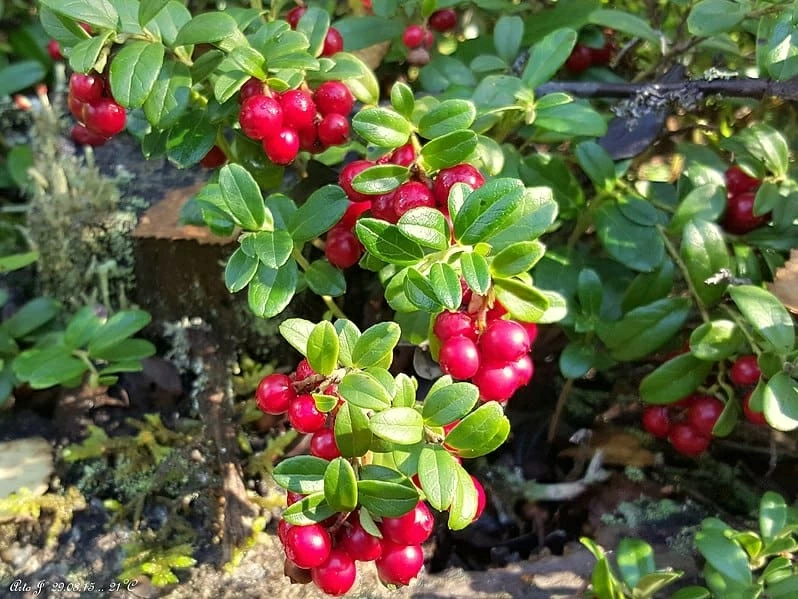
وأجرى الدراسة علماء من جامعة سورغوت الروسية بالتعاون مع باحثين من كازاخستان، ونُشرت في مجلة «Biomedicines»، حيث اختبر الفريق مستخلصات غنية بمركبات البوليفينول من ثلاثة أنواع من الثمار البرية، هي العنبية والتوت البري والعنبية الحمراء، على نموذج تجريبي لتليف الرئة.
وأظهرت نتائج التجارب تراجعاً في شدة التليف والالتهاب داخل أنسجة الرئة، إلى جانب تحسن بعض المؤشرات المرتبطة بلزوجة الدم، ما يشير إلى إمكانية أن تسهم هذه المستخلصات في الحد من بعض التغيرات المصاحبة للمرض.
وقالت ليودميلا كوفالينكو، مديرة المعهد الطبي في جامعة سورغوت، إن اهتمام الباحثين انصب على مركبات البوليفينول، وهي مواد تنتجها النباتات كوسيلة دفاعية في مواجهة الأشعة فوق البنفسجية والآفات والأمراض، وتُعرف بخصائصها المضادة للأكسدة والالتهاب.
وأوضحت أن هذه المركبات قد تمتلك إمكانات واعدة في التعامل مع التليف النسيجي، وهي حالة تُستبدل فيها الأنسجة الطبيعية بأنسجة ندبية، مؤكدة أن النتائج الحالية تمثل خطوة أولية تستدعي إجراء مزيد من الدراسات لتقييم الإمكانات العلاجية لهذه المستخلصات.
In results that may open a new research path for understanding ways to combat lung fibrosis, a Russian-Kazakh scientific study revealed a potential role for natural compounds found in some wild fruits in reducing fibrotic changes and inflammation affecting lung tissues.
The study was conducted by scientists from Surgut State University in collaboration with researchers from Kazakhstan, and was published in the journal “Biomedicines.” The team tested extracts rich in polyphenol compounds from three types of wild fruits: blueberries, cranberries, and red bilberries, on an experimental model of lung fibrosis.
The results of the experiments showed a decrease in the severity of fibrosis and inflammation within lung tissues, along with improvements in some indicators related to blood viscosity, suggesting that these extracts may help reduce some changes associated with the disease.
Ludmila Kovalenko, director of the medical institute at Surgut State University, stated that the researchers focused on polyphenol compounds, which are substances produced by plants as a defensive mechanism against ultraviolet radiation, pests, and diseases, and are known for their antioxidant and anti-inflammatory properties.
She explained that these compounds may have promising potential in dealing with tissue fibrosis, a condition in which normal tissues are replaced by scar tissue, emphasizing that the current results represent a preliminary step that calls for further studies to evaluate the therapeutic potential of these extracts.