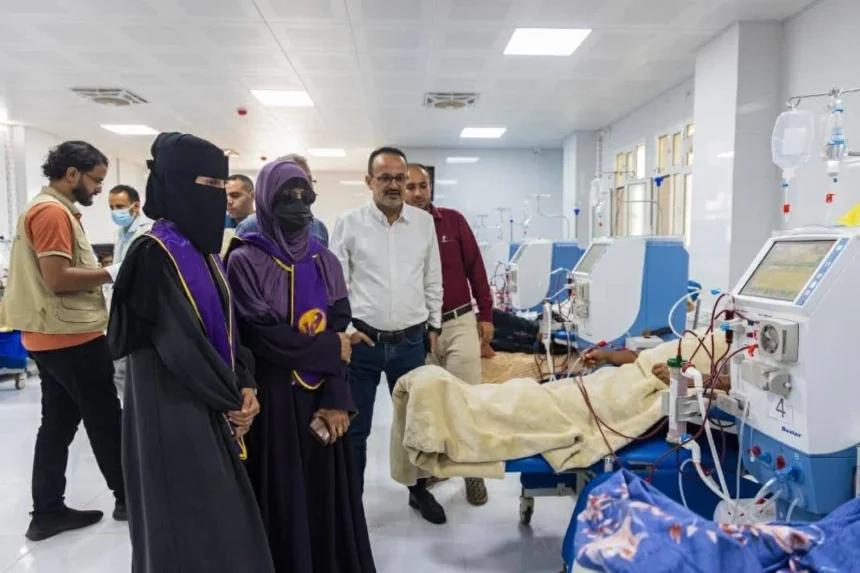
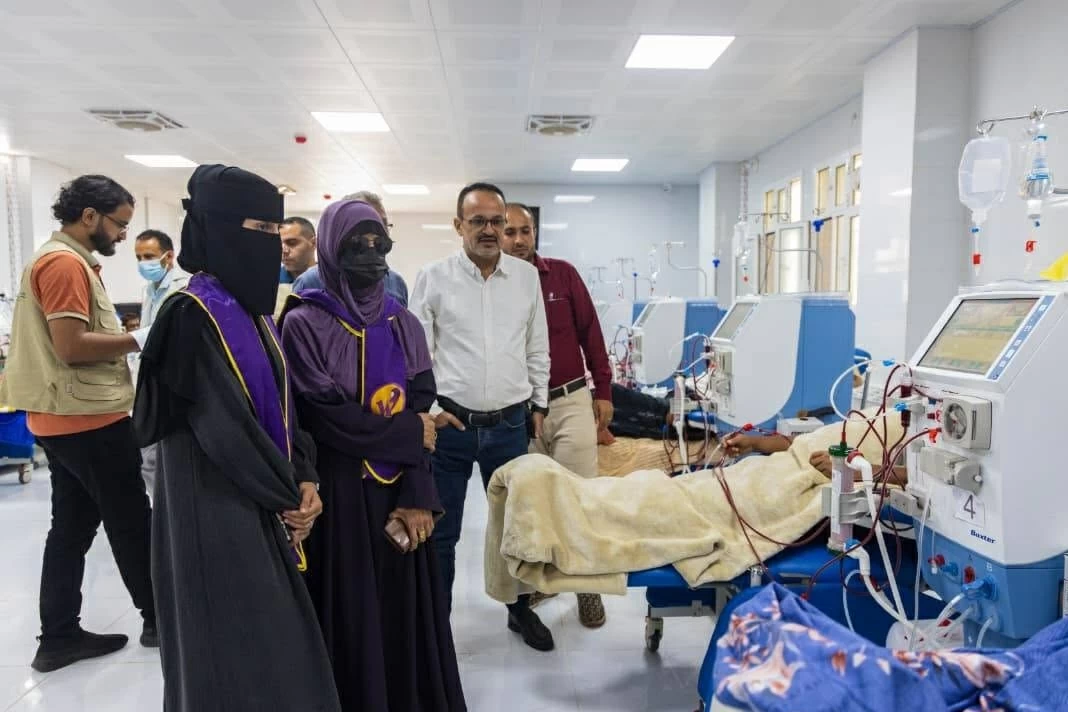
حذّر صندوق الأمم المتحدة للسكان من كارثة صحية وإنسانية متفاقمة في مدينة تعز ومحيطها، جراء استمرار الحصار الحوثي ونقص الوقود والأدوية والغذاء، كاشفاً أن خمسة مستشفيات فقط تعمل بصورة جزئية من أصل 27 مستشفى مخصصة لتقديم الرعاية الصحية للنساء والفتيات، فيما تواجه آلاف الحوامل مخاطر صحية تهدد حياتهن وحياة مواليدهن.
وقال ممثل الصندوق في اليمن، فرانشيسكو غالتيري، إن أكثر من 13 ألف امرأة حامل في تعز يفتقرن إلى الخدمات الصحية الأساسية، بينهن نحو 1500 امرأة يُتوقع أن يضعن مواليدهن خلال الأسبوعين القادمين، محذراً من التداعيات الخطيرة للنقص الحاد في الإمدادات الطبية والوقود على الأمهات والمواليد.
وأوضح غالتيري، في إحاطة صحافية من عدن عبر الاتصال المرئي للصحفيين في جنيف، أن مستشفى السويدي للأمومة والطفولة، الذي يمثل المرفق الرئيسي لرعاية الأمهات في المدينة، يواجه وضعاً حرجاً، إذ تراجع متوسط حالات الولادة اليومية من عشر إلى خمس حالات، فيما انخفض عدد حاضنات الأطفال العاملة من 40 إلى 10 فقط، بسبب نقص الوقود.
وأشار إلى أن الكوادر الطبية تعمل تحت ضغط شديد، وأن بعض العاملين يواجهون صعوبات في الوصول إلى المرافق الصحية، محذراً من احتمال إغلاق المستشفى خلال الأيام القادمة إذا لم تُرفع القيود المفروضة على الوصول والإمدادات.
وكشف المسؤول الأممي أن تصاعد القتال أدى إلى تضاعف أعداد النازحين ثلاث مرات في الساحل الغربي وتعز، ليصل إجماليهم إلى نحو 300 ألف شخص، نصفهم من النساء والأطفال، في وقت كانت فيه 6.2 مليون امرأة وفتاة في اليمن يفتقرن بالفعل إلى خدمات الحماية الأساسية قبل التصعيد الأخير.
ولفت إلى تفاقم المخاطر التي تواجه النساء والفتيات في مواقع النزوح، بما فيها العنف القائم على النوع الاجتماعي والاستغلال والتحرش والعنف الجنسي وزواج الأطفال القسري، إلى جانب ارتفاع مخاطر الإجهاض والولادات غير الآمنة وسوء التغذية بين الحوامل.
ونقل غالتيري عن قابلات يعملن بدعم من الصندوق في تعز إفادتهن بوجود نساء حوامل لا يحصلن سوى على وجبة أو وجبتين يومياً، تتكونان في بعض الحالات من الشاي والخبز أو الأرز، في ظل التدهور المعيشي والارتفاع الحاد في أسعار المواد الأساسية.
وجدد صندوق الأمم المتحدة للسكان دعوته إلى خفض التصعيد وحماية المدنيين، وضمان وصول المساعدات الإنسانية والإمدادات الطبية والوقود بصورة آمنة ومستدامة ودون عوائق، محذراً من أن استمرار القيود يهدد بانهيار ما تبقى من الخدمات الصحية المنقذة للحياة في تعز.
The United Nations Population Fund has warned of an escalating health and humanitarian disaster in the city of Taiz and its surroundings, due to the ongoing Houthi blockade and shortages of fuel, medicine, and food. It revealed that only five hospitals are partially operational out of 27 designated to provide healthcare for women and girls, while thousands of pregnant women face health risks that threaten their lives and the lives of their newborns.
Francesco Galtieri, the Fund’s representative in Yemen, stated that more than 13,000 pregnant women in Taiz lack basic health services, including about 1,500 women expected to give birth in the next two weeks, warning of the serious consequences of the acute shortage of medical supplies and fuel on mothers and newborns.
Galtieri explained, in a press briefing from Aden via video link to journalists in Geneva, that the Al-Suwaidi Hospital for Motherhood and Childhood, which serves as the main facility for maternal care in the city, is facing a critical situation, as the average daily births have decreased from ten to five cases, while the number of functioning incubators has dropped from 40 to only 10 due to fuel shortages.
He pointed out that medical staff are working under severe pressure, and some workers face difficulties in reaching health facilities, warning of the possibility of the hospital closing in the coming days if the restrictions on access and supplies are not lifted.
The UN official revealed that the escalation of fighting has led to a threefold increase in the number of displaced persons in the western coast and Taiz, bringing the total to about 300,000 people, half of whom are women and children, at a time when 6.2 million women and girls in Yemen already lacked basic protection services before the recent escalation.
He noted the worsening risks faced by women and girls in displacement sites, including gender-based violence, exploitation, harassment, sexual violence, and forced child marriage, along with increased risks of abortion, unsafe births, and malnutrition among pregnant women.
Galtieri conveyed reports from midwives working with the Fund’s support in Taiz, stating that there are pregnant women who receive only one or two meals a day, which in some cases consist of tea and bread or rice, amid deteriorating living conditions and a sharp rise in the prices of essential goods.
The United Nations Population Fund reiterated its call for de-escalation, the protection of civilians, and ensuring safe, sustainable, and unobstructed access to humanitarian assistance, medical supplies, and fuel, warning that the continuation of restrictions threatens the collapse of what remains of life-saving health services in Taiz.