


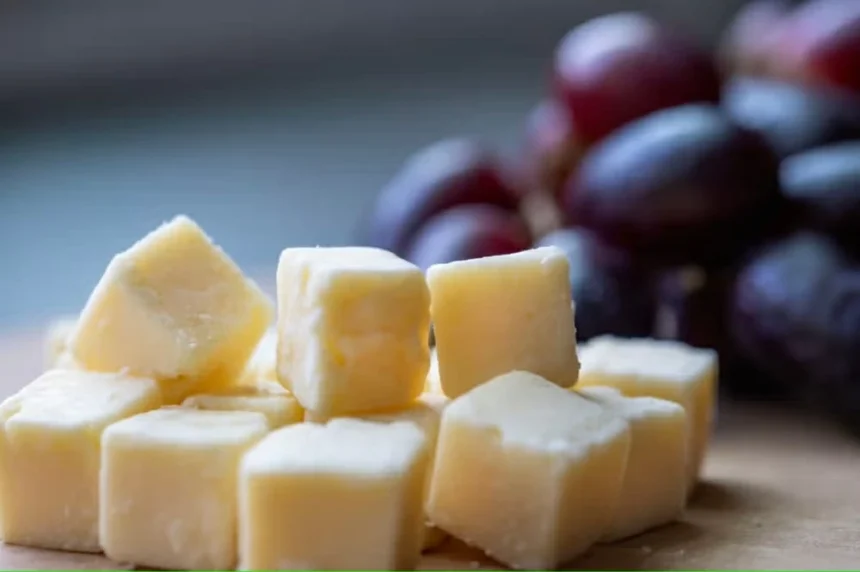
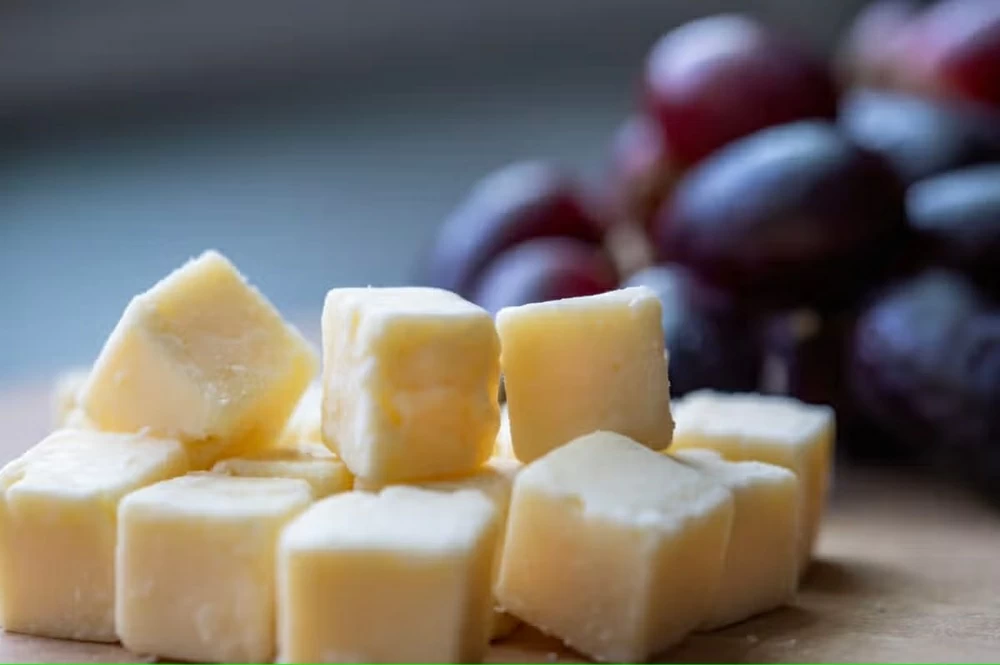
ارتبط تناول الجبن قبل النوم لعقود طويلة باعتقاد شائع مفاده أنه قد يؤدي إلى أحلام غريبة أو كوابيس مزعجة، وهي مقولة تناقلتها الأجيال من الآباء والأجداد، لكنها لا تستند إلى أدلة علمية قوية، وفقًا لخبيرة في نوم الأطفال. وتعود جذور هذه الفكرة إلى القرن التاسع عشر، إذ ظهرت في أعمال أدبية وأشكال من الرسوم المصورة ربطت بين تناول الجبن قبل النوم ورؤية أحلام غريبة، قبل أن تتحول إلى اعتقاد متداول في ثقافات مختلفة.
من أين جاءت أسطورة الجبن والكوابيس؟
ظهرت إحدى الإشارات الأدبية المبكرة إلى هذه الفكرة في رواية الكاتب الإنجليزي تشارلز ديكنز «ترنيمة عيد الميلاد» الصادرة عام 1843، عندما أرجع شخصية إيبينيزر سكروج رؤيته المخيفة لشبح جاكوب مارلي إلى تناوله وجبة ثقيلة، تضمنت قطعة من الجبن وبطاطس غير مكتملة الطهي وقطعة من لحم البقر عسيرة الهضم.
وفي أوائل القرن العشرين، تناول رسام الكاريكاتير الأمريكي وينسور مكاي الفكرة في سلسلته المصورة الشهيرة «حلم عاشق الخبز بالجبن الويلزي»، التي عُرفت بشخصياتها التي تعاني كوابيس غريبة ومضطربة بعد تناول طبق الجبن الويلزي قبل النوم.
ومع مرور الوقت، ساهمت هذه الأعمال في ترسيخ الاعتقاد بأن تناول الجبن ليلًا قد يؤدي إلى أحلام حية أو كوابيس، لكن السؤال الذي لا يزال مطروحًا هو: هل توجد أدلة علمية تؤكد ذلك؟
هل يسبب الجبن أحلامًا غريبة بالفعل؟
بحسب صحيفة Mirror، وضعت أندريا غريس، استشارية نوم الأطفال التي تمتلك خبرة مهنية تزيد على 25 عامًا، حدًا لهذا الاعتقاد، مؤكدة أن الربط بين الجبن والكوابيس يُعد خرافة قديمة لا تدعمها أدلة كافية.
وقالت غريس إن الجبن يحتوي على التربتوفان، وهو حمض أميني يساعد الجسم على إنتاج الميلاتونين، الذي يؤدي دورًا مهمًا في تنظيم النوم.
كما يتحول التربتوفان إلى السيروتونين، وهو ناقل عصبي يساهم في تنظيم الحالة المزاجية والشهية والإحساس بالألم، ويمكن للجسم أيضًا استخدامه في إنتاج النياسين، المعروف بفيتامين «B3»، الذي يدعم عمليات التمثيل الغذائي وإنتاج الطاقة. وبحسب الخبيرة، فإن تناول الجبن قبل النوم لا يعني بالضرورة التعرض للكوابيس أو الأحلام شديدة الوضوح، ولا توجد أدلة قوية تثبت أن الجبن وحده يتسبب في هذه الظاهرة.
هل يمكن تقديم الجبن للأطفال قبل النوم؟
أوضحت غريس أنه إذا شعر الطفل بالجوع قبل موعد النوم، فقد تكون قطعة صغيرة من الجبن مع بسكويت الشوفان وجبة خفيفة وبسيطة تساعده على الشعور بالشبع خلال الليل. لكن من المهم أن تكون الوجبة مناسبة لعمر الطفل وحاجاته الغذائية، وألا تتحول إلى وجبة كبيرة أو ثقيلة قبل النوم.
4 نصائح لمساعدة طفلك على النوم بشكل أفضل
إلى جانب اختيار وجبة خفيفة مناسبة عند الحاجة، قدمت خبيرة نوم الأطفال مجموعة من النصائح التي يمكن أن تساعد الرضع والأطفال الصغار والأكبر سنًا على الاستمتاع بنوم أفضل ومنها:
1 – غرفة مرتبة وهادئة
يساعد التخلص من الفوضى وترتيب الألعاب في تهيئة غرفة مريحة للطفل، كما يمكن جعل جمع الألعاب جزءًا من الروتين اليومي قبل النوم، ليكون إشارة واضحة إلى انتهاء وقت اللعب والاستعداد للراحة.
2 – ضبط درجة حرارة الغرفة والإضاءة
تنصح غريس بالحفاظ على درجة حرارة غرفة النوم بين 16 و20 درجة مئوية، مع جعلها مظلمة قدر الإمكان. وإذا كان الطفل يحتاج إلى ضوء ليلي للشعور بالاطمئنان، فمن الأفضل استخدام ضوء أحمر خافت جدًا، مع إطفاء الأضواء غير الضرورية أو تغطيتها في الأجهزة الإلكترونية.
3 – استخدام الضوضاء البيضاء عند الحاجة
قد تساعد الضوضاء البيضاء الرضع والأطفال الصغار على النوم، خصوصًا إذا كانت أصوات المنزل المحيطة تتسبب في إزعاجهم أو إيقاظهم. ويُفضّل مراعاة مستوى الصوت والمسافة المناسبة عند استخدامها، مع عدم الاعتماد عليها بديلًا عن تهيئة بيئة نوم آمنة.
4 – اختيار ملابس وأغطية مناسبة
تلعب الأغطية وملابس النوم دورًا في تنظيم درجة حرارة جسم الطفل، لذلك ينبغي اختيار خامات تتناسب مع حرارة الغرفة والفصل، مع تفضيل الأقمشة القابلة للتهوية، مثل القطن. ويجب أن تكون الملابس والأغطية مريحة ودافئة بالقدر المناسب دون التسبب في ارتفاع حرارة الطفل. أما بالنسبة إلى الرضع، فتؤكد إرشادات النوم الآمن ضرورة استخدام أغطية مناسبة للعمر أو كيس نوم مخصص للأطفال ومقاسه ملائم، وتجنب الأغطية الفضفاضة أو السميكة التي قد تشكل خطرًا أثناء النوم.
For decades, the consumption of cheese before bedtime has been associated with a common belief that it may lead to strange dreams or disturbing nightmares, a saying passed down through generations from parents and grandparents, but it lacks strong scientific evidence, according to a child sleep expert. The roots of this idea date back to the 19th century, appearing in literary works and forms of cartoons that linked eating cheese before sleep with experiencing strange dreams, before it became a widely held belief in various cultures.
Where did the cheese and nightmares myth come from?
One of the early literary references to this idea appeared in the novel “A Christmas Carol” by English author Charles Dickens, published in 1843, when the character Ebenezer Scrooge attributed his frightening vision of the ghost of Jacob Marley to having eaten a heavy meal that included a piece of cheese, undercooked potatoes, and a hard-to-digest piece of beef.
In the early 20th century, American cartoonist Winsor McCay addressed the idea in his famous comic strip “Dreams of the Rarebit Fiend,” which featured characters experiencing strange and disturbed nightmares after consuming a dish of Welsh cheese before bedtime.
Over time, these works contributed to the belief that eating cheese at night could lead to vivid dreams or nightmares, but the question that remains is: Is there scientific evidence to support this?
Does cheese really cause strange dreams?
According to the Mirror newspaper, Andrea Grace, a child sleep consultant with over 25 years of professional experience, has put an end to this belief, confirming that the link between cheese and nightmares is an old myth that lacks sufficient evidence.
Grace stated that cheese contains tryptophan, an amino acid that helps the body produce melatonin, which plays an important role in regulating sleep.
Tryptophan also converts to serotonin, a neurotransmitter that contributes to regulating mood, appetite, and pain sensation, and the body can also use it to produce niacin, known as vitamin “B3,” which supports metabolic processes and energy production. According to the expert, consuming cheese before sleep does not necessarily mean experiencing nightmares or very vivid dreams, and there is no strong evidence proving that cheese alone causes this phenomenon.
Can cheese be offered to children before bedtime?
Grace explained that if a child feels hungry before bedtime, a small piece of cheese with oatmeal cookies can be a simple snack that helps them feel full throughout the night. However, it is important that the meal is appropriate for the child’s age and nutritional needs and does not turn into a large or heavy meal before sleep.
4 Tips to Help Your Child Sleep Better
In addition to choosing an appropriate snack when needed, the child sleep expert provided a set of tips that can help infants, toddlers, and older children enjoy better sleep, including:
1 – A Tidy and Quiet Room
Clearing clutter and organizing toys helps create a comfortable room for the child, and making toy collection part of the daily bedtime routine can serve as a clear signal that playtime is over and it’s time to wind down.
2 – Adjusting Room Temperature and Lighting
Grace advises keeping the bedroom temperature between 16 and 20 degrees Celsius, making it as dark as possible. If the child needs a night light for reassurance, it is best to use a very dim red light, turning off unnecessary lights or covering electronic devices.
3 – Using White Noise When Needed
White noise may help infants and toddlers sleep, especially if surrounding household sounds disturb or wake them. It is preferable to consider the volume level and appropriate distance when using it, without relying on it as a substitute for creating a safe sleep environment.
4 – Choosing Appropriate Clothing and Bedding
Bedding and sleepwear play a role in regulating the child’s body temperature, so materials should be chosen that match the room temperature and season, favoring breathable fabrics like cotton. The clothing and bedding should be comfortable and warm enough without causing the child to overheat. For infants, safe sleep guidelines emphasize the necessity of using age-appropriate bedding or a properly sized sleep sack for children, avoiding loose or thick blankets that may pose a risk during sleep.