كشفت دراسة علمية حديثة عن اختلافات في طريقة معالجة أدمغة الأطفال المصابين باضطراب طيف التوحد للوجوه البشرية، مشيرةً إلى أن هذه الاختلافات تبدأ في مراحل مبكرة من الاستجابة البصرية، وتتخذ مساراً مختلفاً مع التقدم في العمر.
ووفقاً للدراسة المنشورة في دورية «Nature Mental Health»، ونقل تفاصيلها موقع «Science Daily»، فإن النتائج تقدم فهماً أوسع للآليات العصبية المرتبطة بالتعرف على الوجوه لدى الأطفال المصابين بالتوحد، وقد تسهم مستقبلاً في تطوير وسائل التشخيص والدعم المبكر.
ويشير الباحثون إلى أن بعض الأطفال المصابين بالتوحد يميلون إلى تقليل التواصل البصري، أو يواجهون صعوبة في تذكر الوجوه وتفسير تعابيرها، مقارنةً بالأطفال غير المصابين، وهي اختلافات سعت الأبحاث العلمية منذ سنوات إلى تفسير أسبابها العصبية.
تحليل نشاط الدماغ لدى 400 طفل
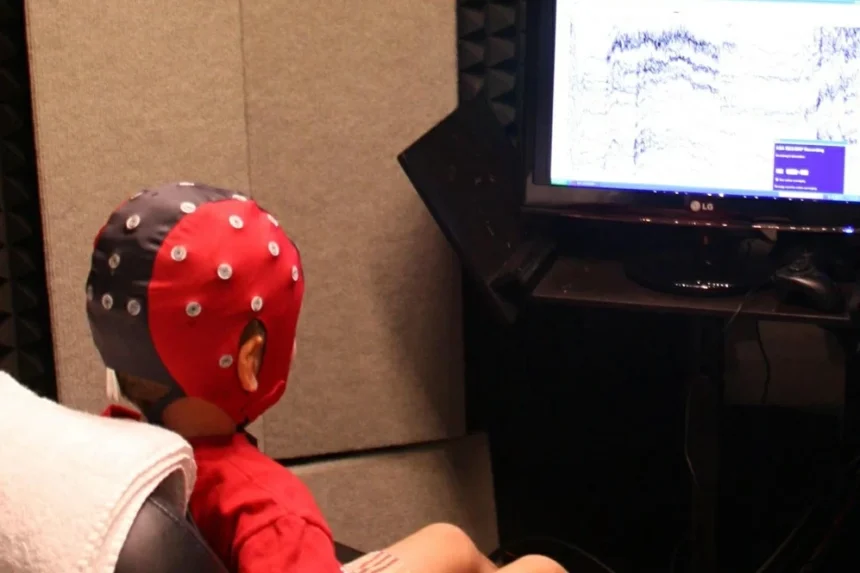
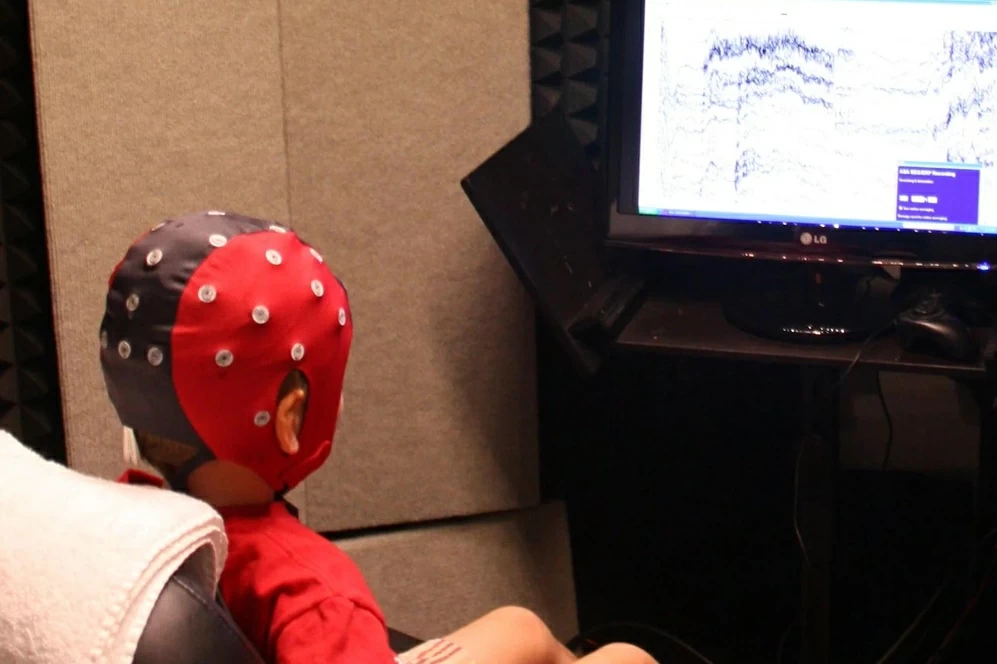
واعتمد فريق البحث، بقيادة البروفيسور جيمس ماكبارتلاند من مركز دراسات الطفل، على تقنية تخطيط كهربية الدماغ (EEG)، التي تتيح قياس النشاط الكهربائي للدماغ.
وشملت الدراسة نحو 400 طفل من المصابين بالتوحد وغير المصابين، بالاعتماد على بيانات اتحاد المؤشرات الحيوية للتوحد للتجارب السريرية (ABC-CT).
وعلى خلاف دراسات سابقة ركزت على مناطق محددة من الدماغ، حلل الباحثون النشاط العصبي المسجل عبر فروة الرأس بالكامل، بهدف الحصول على صورة أكثر شمولاً للاستجابة الدماغية للوجوه.
اختلافات تزداد وضوحاً مع العمر
وأظهرت النتائج أن أنماط النشاط الدماغي المرتبطة بالتعرف على الوجوه كانت أقل وضوحاً لدى الأطفال المصابين بالتوحد.
كما رصد الباحثون اختلافاً في تطور هذه الأنماط مع التقدم في العمر؛ إذ أصبحت أدمغة الأطفال غير المصابين أكثر تخصصاً في معالجة الوجوه، بينما لم يُرصد التطور نفسه لدى الأطفال المصابين بالتوحد.
وأوضح الباحث الرئيسي الدكتور جيسون غريفين، الأستاذ المساعد في علم النفس بجامعة هيوستن، أن القدرة على التمييز بين ما يشاهده الأطفال من خلال أنماط النشاط الدماغي تتحسن تدريجياً لدى غير المصابين بالتوحد، في حين لم يظهر تحسن مماثل لدى الأطفال المصابين.
وأشار إلى أن هذه النتائج تعزز احتمال اختلاف المسار النمائي لمعالجة الوجوه بين المجموعتين.
الفروق العصبية تبدأ أبكر مما كان متوقعاً
وركزت دراسات سابقة على إشارة عصبية تُعرف باسم «N170»، تظهر عادةً بعد نحو 170 مللي ثانية من مشاهدة الوجه، وكانت نتائجها تشير إلى تأخر ظهور هذه الاستجابة لدى المصابين بالتوحد.
لكن الدراسة الجديدة، التي فحصت النشاط الدماغي خلال نطاق زمني أوسع، أظهرت أن الاختلافات المرتبطة بمعالجة الوجوه تبدأ قبل ظهور إشارة «N170».
وتشير هذه النتيجة إلى أن الفروق العصبية المرتبطة بالتوحد قد تنشأ في مراحل أبكر من معالجة المعلومات البصرية، خلافاً لما كانت تفترضه بعض الدراسات السابقة.
آفاق جديدة للتشخيص المبكر
ويرى الباحثون أن النتائج قد تساعد مستقبلاً في تطوير أدوات إضافية لتشخيص التوحد، وتحديد حاجات الأطفال من برامج الدعم المبكر، خصوصاً البرامج المرتبطة بفهم تعابير الوجه والمشاعر وتنمية مهارات التواصل الاجتماعي.
كما تفتح الدراسة المجال أمام بحث إمكانية استخدام أنماط النشاط الكهربائي للدماغ بوصفها مؤشرات حيوية مساعدة، إلى جانب التقييمات السلوكية التي يعتمد عليها تشخيص التوحد حالياً.
ومع ذلك، فإن هذه النتائج لا تعني التوصل إلى اختبار دماغي معتمد لتشخيص التوحد، وإنما تمثل خطوة بحثية قد تسهم في تطوير أدوات أكثر دقة مستقبلاً.
A recent scientific study has revealed differences in the way the brains of children with autism spectrum disorder process human faces, indicating that these differences begin at early stages of visual response and take a different trajectory as they age.
According to the study published in the journal “Nature Mental Health,” and detailed by the website “Science Daily,” the findings provide a broader understanding of the neural mechanisms associated with face recognition in children with autism, which may contribute to the future development of diagnostic tools and early support.
The researchers point out that some children with autism tend to reduce eye contact or have difficulty remembering faces and interpreting their expressions compared to non-autistic children, differences that scientific research has sought to explain for years in terms of their neural causes.
Analysis of brain activity in 400 children
The research team, led by Professor James McPartland from the Child Study Center, relied on electroencephalography (EEG) technology, which allows for measuring the electrical activity of the brain.
The study included approximately 400 children, both with and without autism, based on data from the Autism Biomarkers Consortium for Clinical Trials (ABC-CT).
Unlike previous studies that focused on specific brain regions, the researchers analyzed the neural activity recorded across the entire scalp, aiming to obtain a more comprehensive picture of the brain’s response to faces.
Differences become more pronounced with age
The results showed that the patterns of brain activity associated with face recognition were less pronounced in children with autism.
The researchers also observed a difference in the development of these patterns with age; the brains of non-autistic children became more specialized in processing faces, while the same development was not observed in children with autism.
Lead researcher Dr. Jason Griffin, an assistant professor of psychology at the University of Houston, explained that the ability to distinguish what children see through patterns of brain activity gradually improves in non-autistic children, whereas no similar improvement was seen in children with autism.
He noted that these results strengthen the likelihood of a different developmental trajectory for face processing between the two groups.
Neural differences begin earlier than expected
Previous studies focused on a neural signal known as “N170,” which typically appears about 170 milliseconds after viewing a face, and their results indicated a delay in the emergence of this response in individuals with autism.
However, the new study, which examined brain activity over a broader time range, showed that the differences associated with face processing begin before the appearance of the “N170” signal.
This finding suggests that the neural differences associated with autism may arise at earlier stages of visual information processing, contrary to what some previous studies had assumed.
New prospects for early diagnosis
The researchers believe that the findings may help in the future to develop additional tools for diagnosing autism and identifying the needs of children for early support programs, especially those related to understanding facial expressions, emotions, and developing social communication skills.
The study also opens the door to exploring the possibility of using patterns of electrical brain activity as auxiliary biomarkers, alongside the behavioral assessments currently relied upon for diagnosing autism.
However, these results do not mean that a reliable brain test for diagnosing autism has been developed; rather, they represent a research step that may contribute to the development of more accurate tools in the future.