



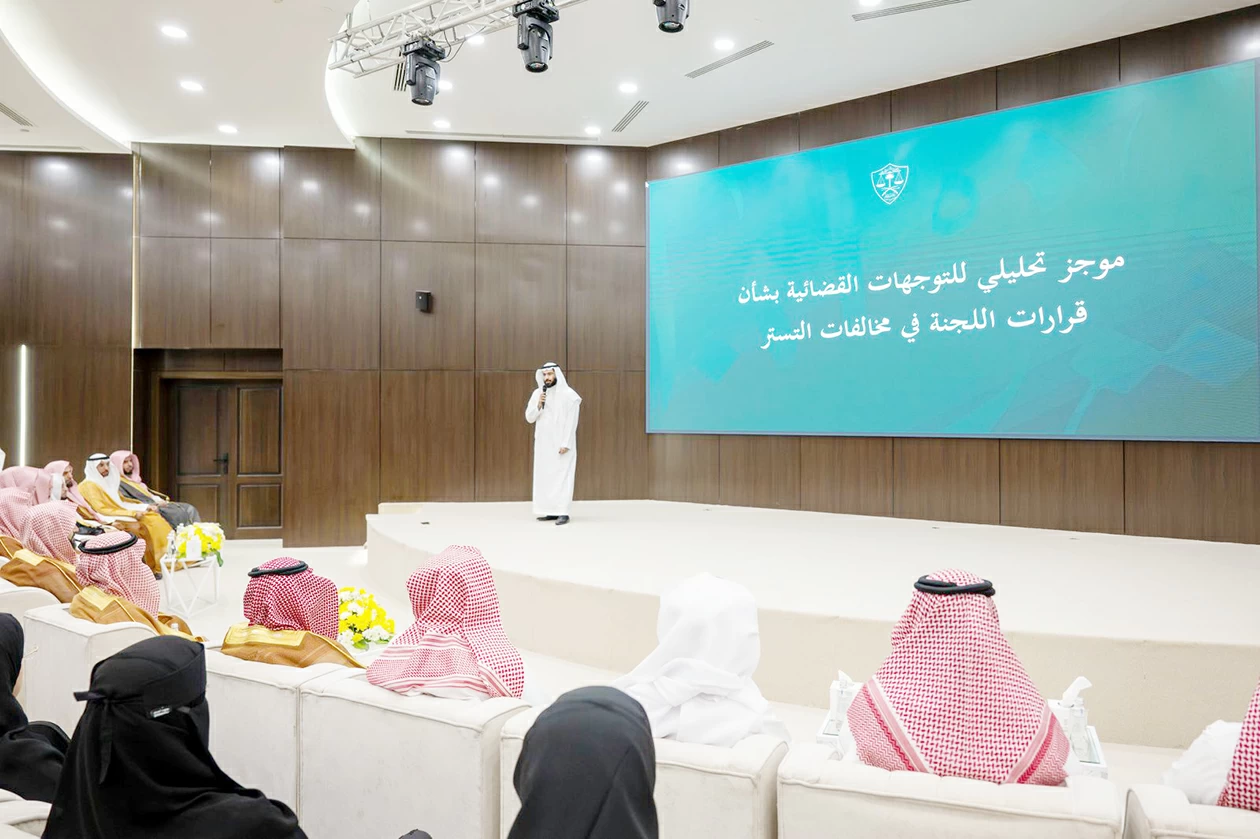
اختتم ديوان المظالم، أمس (الخميس)، ورشة عمل لمناقشة الموضوعات المتعلقة بنظام مكافحة التستر ذات الصلة باختصاص الجهتين، واستعراض ما صدر بشأنها من أحكامٍ قضائية، والتي أُقيمت على مدى يومين، بحضور مساعد وزير التجارة عبدالعزيز الدحيم، ورئيس مكتب الشؤون الفنية بديوان المظالم الدكتور عبدالمحسن المعيوف، وعددٍ من الوكلاء والقضاة ورؤساء ومديري ومشرفي الإدارات القانونية والفنية في الجهتين.
وشهدت الورشة استعراض نظام مكافحة التستر ولائحته التنفيذية، وعددٍ من الإجراءات والخطوات التنفيذية والتطبيقات العملية للأحكام ذات الصلة، وذلك في إطار الإسهام في الحد من جرائم التستر، وتعزيز الرقابة، وإنفاذ الأنظمة والتشريعات ذات العلاقة، إلى جانب مواءمة الممارسات الإدارية مع المبادئ والأحكام القضائية ذات الصلة.
وتأتي هذه الورشة ضمن جهود ديوان المظالم الرامية إلى تعزيز التنظيم الإجرائي والتشريعي، ورفع الوعي القانوني في مختلف اختصاصات ودوائر القضاء الإداري، بما يعزز عناصر الاستدامة والريادة.
The Board of Grievances concluded yesterday (Thursday) a workshop to discuss topics related to the Anti-Cover-up System relevant to the jurisdictions of both entities, and to review the judicial rulings issued regarding it. The workshop took place over two days, with the attendance of the Assistant Minister of Commerce, Abdulaziz Al-Duhaim, the Head of the Technical Affairs Office at the Board of Grievances, Dr. Abdul Mohsen Al-Maiouf, along with several agents, judges, and heads, directors, and supervisors of legal and technical departments in both entities.
The workshop included a review of the Anti-Cover-up System and its executive regulations, as well as several procedures, steps for implementation, and practical applications of the relevant rulings. This was part of the effort to contribute to reducing cover-up crimes, enhancing oversight, and enforcing related laws and regulations, in addition to aligning administrative practices with the principles and judicial rulings related to the matter.
This workshop is part of the Board of Grievances’ efforts to enhance procedural and legislative organization and raise legal awareness across various jurisdictions and circles of administrative justice, thereby strengthening elements of sustainability and leadership.