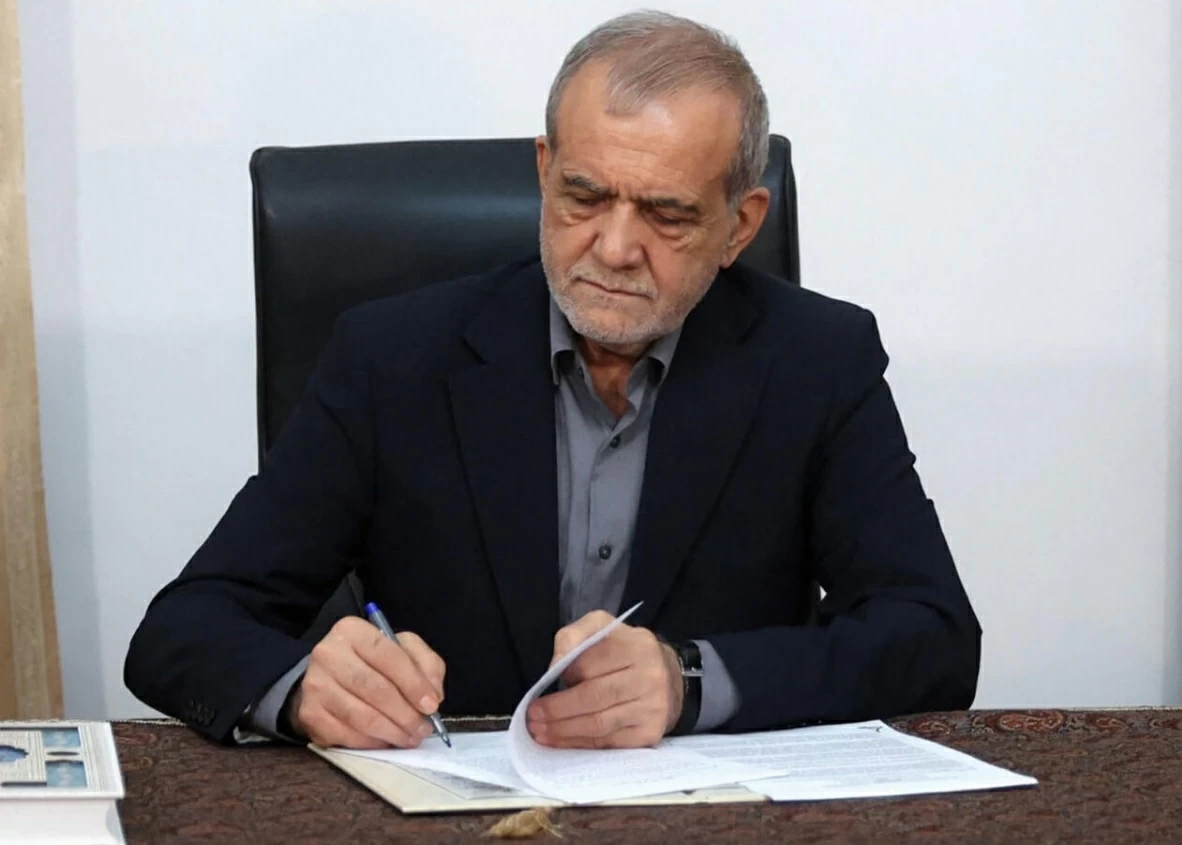
أقر الرئيس الإيراني مسعود بزشكيان بأن بلاده وقّعت التزاماً بعدم امتلاك سلاح نووي، بناءً على طلب الولايات المتحدة، معتبراً أن هذا الموقف يعكس توجه إيران الثابت في هذا الملف.
ونقل موقع الرئاسة الإيرانية عن بزشكيان قوله، اليوم الأحد، إن إيران لا تسعى إلى الحصول على سلاح نووي في أي مرحلة، مشيراً إلى أن هذا ما تم الاتفاق عليه والتوقيع عليه ضمن التفاهمات الجارية مع واشنطن.
وقال إن هذا الالتزام يأتي في إطار مسار التفاهمات بين الجانبين، مؤكداً أن موقف بلاده واضح وثابت بشأن رفض امتلاك السلاح النووي، لكننا لن نتخلى عن حقنا في التخصيب، وليس أمام الطرف الآخر خيار سوى القبول بهذا الحق.
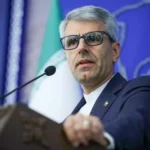
من جانبه، أفاد المتحدث باسم وزارة الخارجية إسماعيل بقائي، بأن إيران لن تبدأ المرحلة التالية من المفاوضات مع الولايات المتحدة بشأن العقوبات والبرنامج النووي حتى يتم التوصل إلى وقف لإطلاق النار في لبنان.
وكتب بقائي في صفحته على منصة «إكس»: «يُخصص اجتماع اليوم في سويسرا لمتابعة تنفيذ بنود مذكرة التفاهم بشأن إنهاء الحرب في 18 يونيو 2026».
وأضاف: «وفقاً للمادة 13 من المذكرة، فإن بدء المفاوضات بشأن اتفاق نهائي مشروط بتنفيذ المواد 1 و4 و5 و10 و11. ودون تنفيذ هذه البنود، ولا سيما المادة 1 (إنهاء الحرب على جميع الجبهات، بما في ذلك لبنان)، يستحيل الانتقال إلى مرحلة المفاوضات بشأن اتفاق نهائي»، مشيراً إلى أن المفاوضات في سويسرا ستركز على تنفيذ جميع بنود مذكرة التفاهم، بما في ذلك تصدير النفط الإيراني ورفع تجميد الأصول.
وتنص المذكرة التي وقّعها الطرفان، الأربعاء الماضي، على إجراء مفاوضات خلال مهلة 60 يوماً، للتوصل إلى اتفاق نهائي يركز على البرنامج النووي الإيراني ورفع العقوبات المفروضة على طهران.
وكان مسؤول إيراني، قال لشبكة CNN الأمريكية، إن إنهاء الصراع في لبنان يمثل البند الأهم على جدول أعمال الوفد الإيراني في سويسرا. واعتبر أن هذه المحادثات لا تُعد جزءاً من المفاوضات الرسمية المنصوص عليها في مذكرة التفاهم بسبب عدم الوفاء بعدد من البنود الواردة في الاتفاق.
وأضاف أن أبرز هذه البنود هو البند الأول من الاتفاقية، الذي ينص على إنهاء الحرب في لبنان، مشيراً إلى أن عدم تنفيذ هذا الشرط حال دون الانتقال إلى مرحلة المفاوضات الرسمية بين الجانبين.
بدوره، كشف دبلوماسي مشارك في محادثات سويسرا لشبكة CBS News، أنه تمت إضافة جلسة طارئة لمناقشة الصراع بين إسرائيل وحزب الله إلى جدول أعمال اليوم الأول.
The Iranian President Masoud Bezhaskian acknowledged that his country has signed a commitment not to possess nuclear weapons, at the request of the United States, considering that this position reflects Iran’s steadfast approach on this issue.
The Iranian presidency’s website quoted Bezhaskian as saying today, Sunday, that Iran does not seek to acquire nuclear weapons at any stage, pointing out that this is what has been agreed upon and signed within the ongoing understandings with Washington.
He stated that this commitment comes within the framework of the understandings between the two sides, affirming that his country’s position is clear and steadfast regarding the rejection of nuclear weapons, but we will not abandon our right to enrichment, and the other party has no choice but to accept this right.
For his part, Foreign Ministry spokesman Ismail Baqaei stated that Iran will not begin the next phase of negotiations with the United States regarding sanctions and the nuclear program until a ceasefire is reached in Lebanon.
Baqaei wrote on his page on the “X” platform: “Today’s meeting in Switzerland is dedicated to following up on the implementation of the terms of the memorandum of understanding regarding ending the war on June 18, 2026.”
He added: “According to Article 13 of the memorandum, the start of negotiations on a final agreement is conditional on the implementation of Articles 1, 4, 5, 10, and 11. Without the implementation of these clauses, especially Article 1 (ending the war on all fronts, including Lebanon), it is impossible to move to the negotiation phase for a final agreement,” indicating that the negotiations in Switzerland will focus on implementing all the terms of the memorandum of understanding, including the export of Iranian oil and the lifting of asset freezes.
The memorandum signed by both parties last Wednesday stipulates that negotiations will take place within a 60-day period to reach a final agreement focusing on the Iranian nuclear program and lifting the sanctions imposed on Tehran.
An Iranian official told CNN that ending the conflict in Lebanon is the most important item on the Iranian delegation’s agenda in Switzerland. He considered that these talks do not constitute part of the formal negotiations stipulated in the memorandum of understanding due to the failure to fulfill several clauses contained in the agreement.
He added that the most prominent of these clauses is the first clause of the agreement, which stipulates the end of the war in Lebanon, noting that the failure to implement this condition has prevented the transition to the phase of formal negotiations between the two sides.
For his part, a diplomat participating in the Switzerland talks revealed to CBS News that an emergency session to discuss the conflict between Israel and Hezbollah has been added to the agenda of the first day.