


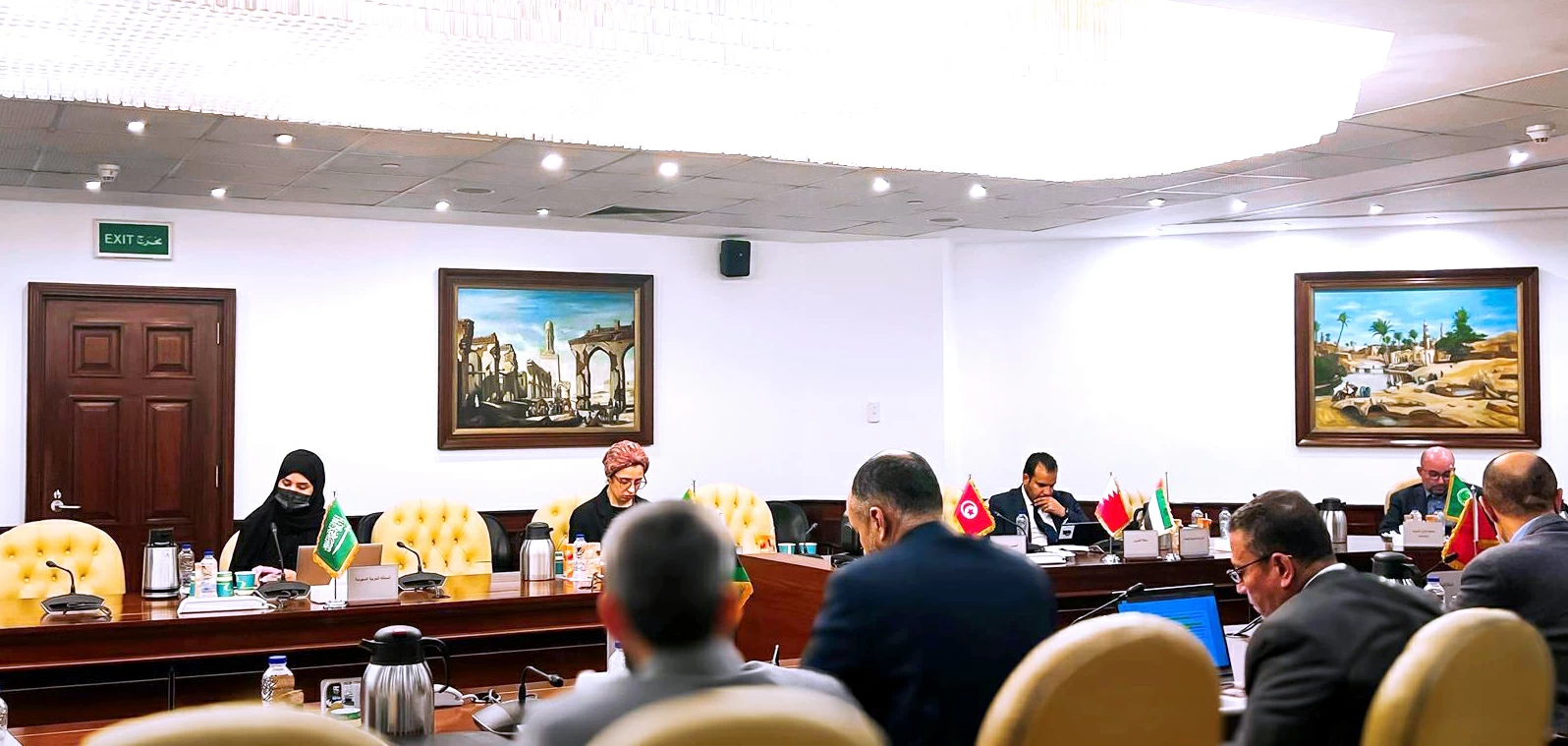
شاركت الهيئة السعودية للبيانات والذكاء الاصطناعي «سدايا» في اجتماع الخبراء والمشاورات المفتوحة للمنطقة العربية حول الحوار العالمي المعني بحوكمة الذكاء الاصطناعي، الذي نظّمته لجنة الأمم المتحدة الاقتصادية والاجتماعية لغربي آسيا «الإسكوا» بالتعاون مع جامعة الدول العربية، وذلك في العاصمة المصرية القاهرة. ومثّلت «سدايا» في الاجتماع الدكتورة فاتن العنزي، التي استعرضت خلال جهود المملكة في بناء منظومة وطنية متكاملة للذكاء الاصطناعي تجمع بين الابتكار والحوكمة المسؤولة، بما يعزز الاستخدام الأخلاقي والموثوق للتقنيات الحديثة، ويواكب التحوّلات المتسارعة في هذا المجال على المستويات الاقتصادية والاجتماعية والثقافية والتقنية.
وأكدت أن رؤية المملكة لحوكمة الذكاء الاصطناعي تنطلق من مبادئ الثقة والشمولية والتعاون الدولي، مع التركيز على أن تبقى التقنيات الذكية متمحورة حول الإنسان وتسهم في خدمة المجتمعات بصورة مسؤولة ومستدامة. وأشارت إلى ما أطلقته المملكة من مبادئ وأطر تنظيمية وتشريعية، من أبرزها مبادئ أخلاقيات الذكاء الاصطناعي، ونظام حماية البيانات الشخصية، ومبادئ الذكاء الاصطناعي التوليدي، وإرشادات التعامل مع التزييف العميق.
كما استعرضت الجهود الوطنية في تعزيز الحوكمة المؤسسية للبيانات والذكاء الاصطناعي، من خلال إنشاء أكثر من 300 مكتب لإدارة البيانات في الجهات الحكومية، وتعيين أكثر من 170 ممثلًا للذكاء الاصطناعي لدعم تبني الاستخدام المسؤول والأخلاقي للتقنيات الذكية، إلى جانب إبراز حضور المملكة المتنامي في المنصات الدولية المعنية بحوكمة الذكاء الاصطناعي. وسلطت «سدايا» الضوء على الإنجازات الدولية التي حققتها المملكة مؤخرًا.
The Saudi Data and Artificial Intelligence Authority “SDAIA” participated in the experts’ meeting and open consultations for the Arab region regarding the global dialogue on artificial intelligence governance, organized by the United Nations Economic and Social Commission for Western Asia “ESCWA” in collaboration with the Arab League, in the Egyptian capital, Cairo. Dr. Faten Al-Anzi represented “SDAIA” at the meeting, where she reviewed the Kingdom’s efforts in building a comprehensive national system for artificial intelligence that combines innovation and responsible governance, enhancing the ethical and reliable use of modern technologies, and keeping pace with the rapid transformations in this field at the economic, social, cultural, and technical levels.
She emphasized that the Kingdom’s vision for artificial intelligence governance is based on the principles of trust, inclusivity, and international cooperation, with a focus on ensuring that smart technologies remain human-centered and contribute to serving communities in a responsible and sustainable manner. She pointed out the principles and regulatory and legislative frameworks launched by the Kingdom, including the principles of artificial intelligence ethics, the personal data protection system, the principles of generative artificial intelligence, and guidelines for dealing with deepfakes.
She also reviewed the national efforts to enhance institutional governance of data and artificial intelligence, through the establishment of more than 300 data management offices in government entities, and the appointment of over 170 artificial intelligence representatives to support the adoption of responsible and ethical use of smart technologies, alongside highlighting the Kingdom’s growing presence in international platforms concerned with artificial intelligence governance. “SDAIA” shed light on the international achievements that the Kingdom has recently accomplished.