


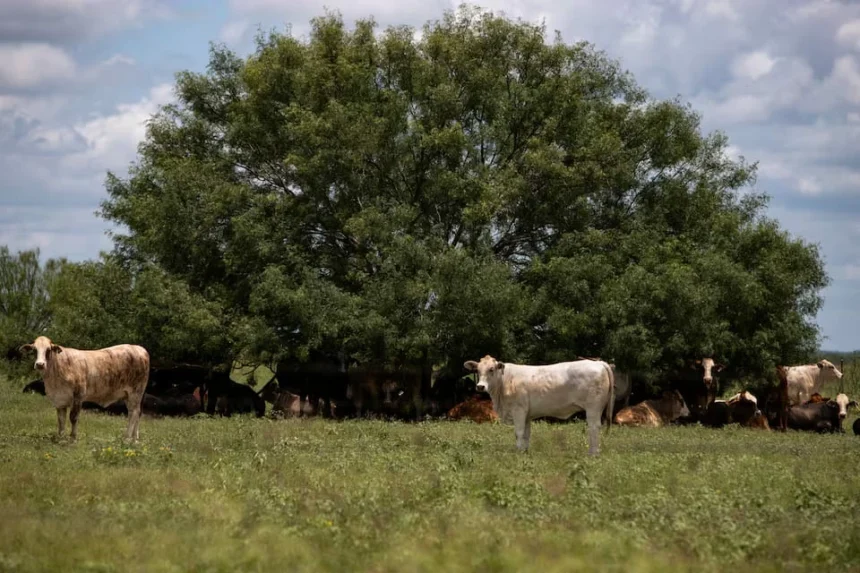
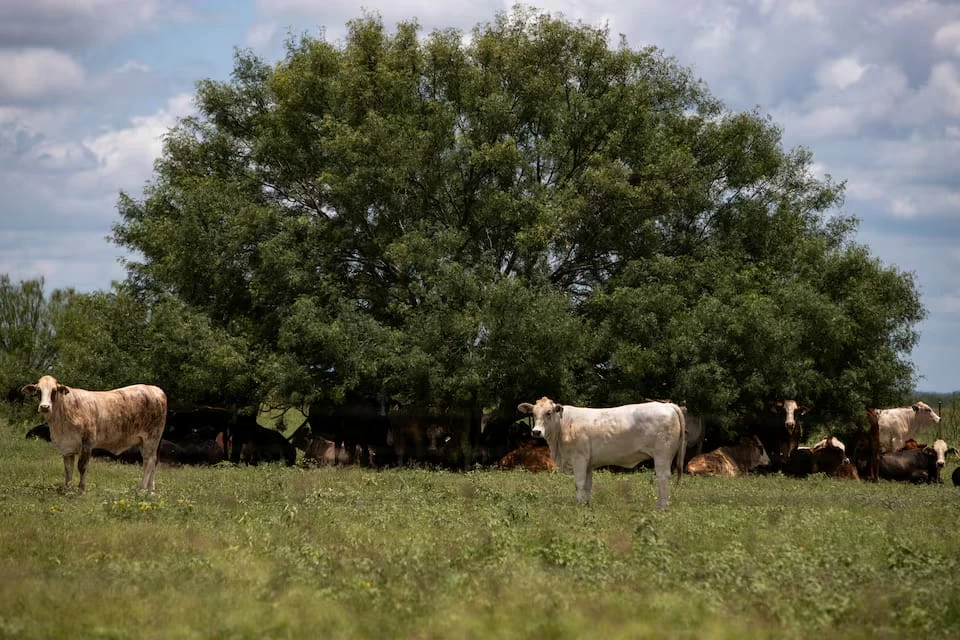
شهدت ولاية تكساس الأمريكية حالة استنفار غير مسبوقة بعد رصد أول إصابة مؤكدة بالدودة الحلزونية الآكلة للحوم منذ نحو ستة عقود، وسط مخاوف من تداعيات اقتصادية كبيرة على قطاع الثروة الحيوانية الأمريكي الذي يعاني بالفعل من تراجع أعداد الماشية إلى أدنى مستوياتها التاريخية.
وبحسب وكالة رويترز، أكدت وزيرة الزراعة الأمريكية بروك رولينز أن عمليات الفحص والمراقبة المكثفة التي أجريت حتى الآن لم تسفر عن اكتشاف أي إصابات إضافية بين الأبقار أو الحيوانات الأخرى في محيط الحالة المؤكدة.
ويمثل هذا الاكتشاف ضربة لقطاع تربية الماشية الأمريكي الذي كان يترقب منذ أشهر احتمال وصول الطفيلي إلى الأراضي الأمريكية، بعد تقدمه التدريجي شمالًا عبر المكسيك خلال العام الماضي.
وسارعت وزارة الزراعة الأمريكية بالتعاون مع سلطات ولاية تكساس إلى فرض قيود صارمة على حركة الحيوانات ضمن نطاق يبلغ 20 كيلومترًا حول موقع الإصابة، في محاولة لمنع انتشار الطفيلي.
كما أقيمت نقاط تفتيش على الطرق الرئيسية المؤدية إلى المنطقة، حيث تخضع شاحنات نقل الماشية لفحوصات دقيقة لرصد أي علامات إصابة محتملة.
وقالت رولينز إن السلطات واثقة من قدرتها على احتواء الحالة الحالية، مؤكدة أن الطفيلي لا يشكل خطرًا على سلامة الأغذية أو استهلاك لحوم الأبقار.
وتُعد هذه الإصابة الأولى من نوعها في ولاية تكساس منذ عام 1966، ما أثار مخاوف الأسواق والمتعاملين في قطاع الثروة الحيوانية من أن يؤدي انتشار الطفيلي إلى مزيد من التراجع في أعداد الأبقار الأمريكية، التي وصلت بالفعل إلى أدنى مستوياتها منذ 75 عامًا.
وتُعرف الدودة الحلزونية بأنها يرقات ذباب طفيلي تضع إناثه البيوض داخل الجروح المفتوحة أو الأغشية المخاطية للحيوانات ذوات الدم الحار. وبعد الفقس، تبدأ مئات اليرقات في التهام الأنسجة الحية والتوغل داخل جسم الحيوان، ما قد يؤدي إلى نفوقه إذا لم يتلقَّ العلاج المناسب.
ووصف نيت شيتس، المرشح الجمهوري لمنصب مفوض الزراعة في تكساس، الوضع بأنه «حالة طوارئ زراعية حقيقية»، مشيرًا إلى أن الطفيلي يبدو وكأنه خرج من فيلم رعب، لكنه يمثل تهديدًا فعليًا وخطيرًا للقطاع الزراعي.
وأثارت الأنباء تقلبات في أسواق الماشية الأمريكية، حيث تراجعت العقود الآجلة للأبقار في البداية قبل أن تعاود الارتفاع بأكثر من 3% مع تزايد الثقة بإمكانية احتواء التفشي.
وحذر خبراء من أن انتشار الدودة الحلزونية على نطاق واسع قد يكبد صناعة الثروة الحيوانية في تكساس خسائر اقتصادية تصل إلى 1.8 مليار دولار، فضلًا عن زيادة الضغوط على قطاع اللحوم الأمريكي الذي يعاني من نقص أعداد الماشية بسبب سنوات من الجفاف وارتفاع تكاليف التربية.
وفي إطار جهود المكافحة، تواصل وزارة الزراعة الأمريكية تنفيذ إستراتيجية تعتمد على إطلاق أعداد كبيرة من الذباب الذكور المعقم، وهي التقنية التي نجحت سابقًا في القضاء على الدودة الحلزونية داخل الولايات المتحدة خلال ستينيات القرن الماضي. وتشمل العمليات الحالية إطلاق الذباب المعقم برًا وجوًا في المناطق المحيطة بموقع الإصابة.
كما أكدت الوزارة استمرار إغلاق المنافذ الحدودية أمام واردات الماشية المكسيكية حتى إشعار آخر، رغم أن اكتشاف الحالة الأخيرة يشير إلى أن الذبابة الطفيلية تمكنت من الوصول إلى الأراضي الأمريكية بوسائل أخرى.
ويرى باحثون أن التحدي الأكبر يتمثل في مراقبة الحيوانات المنتشرة في المراعي المفتوحة الشاسعة، حيث قد تمر أيام قبل اكتشاف الإصابات الجديدة، ما يزيد من صعوبة احتواء الطفيلي ومنع انتشاره بين الحيوانات البرية والماشية.
The state of Texas in the United States has witnessed an unprecedented state of alert after the first confirmed case of the flesh-eating screw-worm was detected in nearly six decades, amid fears of significant economic repercussions on the American livestock sector, which is already suffering from a decline in cattle numbers to their lowest historical levels.
According to Reuters, U.S. Agriculture Secretary Brooke Rollins confirmed that the intensive inspection and monitoring operations conducted so far have not resulted in the discovery of any additional infections among cattle or other animals in the vicinity of the confirmed case.
This discovery represents a blow to the American cattle industry, which has been anticipating the possibility of the parasite reaching U.S. soil for months, following its gradual advance northward through Mexico over the past year.
The U.S. Department of Agriculture, in collaboration with Texas authorities, has rushed to impose strict movement restrictions on animals within a 20-kilometer radius around the site of the infection, in an attempt to prevent the spread of the parasite.
Checkpoints have also been established on major roads leading to the area, where cattle transport trucks are subjected to thorough inspections to detect any signs of potential infection.
Rollins stated that authorities are confident in their ability to contain the current situation, emphasizing that the parasite does not pose a risk to food safety or the consumption of beef.
This is the first case of its kind in Texas since 1966, raising concerns among markets and stakeholders in the livestock sector that the spread of the parasite could lead to further declines in American cattle numbers, which have already reached their lowest levels in 75 years.
The screw-worm is known to be the larvae of a parasitic fly that lays its eggs in open wounds or mucous membranes of warm-blooded animals. After hatching, hundreds of larvae begin to consume living tissue and invade the animal’s body, which can lead to its death if not treated appropriately.
Republican candidate for Texas Agriculture Commissioner, Nate Sheets, described the situation as a “real agricultural emergency,” noting that the parasite seems to have come out of a horror movie, but it represents a real and serious threat to the agricultural sector.
The news has caused fluctuations in American cattle markets, with cattle futures initially declining before rising again by more than 3% as confidence grew in the ability to contain the outbreak.
Experts have warned that a widespread outbreak of the screw-worm could cost the Texas livestock industry up to $1.8 billion, in addition to increasing pressures on the American meat sector, which is already suffering from a shortage of cattle due to years of drought and rising breeding costs.
As part of its control efforts, the U.S. Department of Agriculture continues to implement a strategy based on releasing large numbers of sterile male flies, a technique that previously succeeded in eradicating the screw-worm within the United States during the 1960s. Current operations include the aerial and ground release of sterile flies in the areas surrounding the infection site.
The department also confirmed the continued closure of border crossings to Mexican cattle imports until further notice, although the discovery of the recent case indicates that the parasitic fly managed to reach U.S. territory through other means.
Researchers believe that the biggest challenge lies in monitoring animals spread across vast open pastures, where days may pass before new infections are discovered, increasing the difficulty of containing the parasite and preventing its spread among wildlife and livestock.