

أعلن مفوض الأمم المتحدة لحقوق الإنسان فولكر تورك اليوم (الأربعاء) أن المفوضية سترسل فريقاً من المحققين إلى لبنان الأسبوع القادم؛ لتقييم الانتهاكات المحتملة للقانون الدولي من قبل جميع الأطراف في الحرب الدائرة في البلاد.
وقال تورك: «هذه هي المرة الأولى التي نرسل فيها بعثة التقييم هذه، والهدف هو النظر في الانتهاكات التي ارتكبتها جميع الأطراف للقانون الدولي والقانون الدولي لحقوق الإنسان، وتوثيقها، وفي النهاية تقديم تقرير إليكم عن النتائج التي توصلنا إليها».
وذكرت الأمم المتحدة أن الأزمة تؤدي إلى تدهور سريع في الأمن الغذائي، ومن المتوقع أن يواجه ما يقرب من شخص واحد من كل أربعة في لبنان، أي نحو 1.24 مليون شخص، مستويات أزمة وطوارئ بسبب انعدام الأمن الغذائي حتى أغسطس.
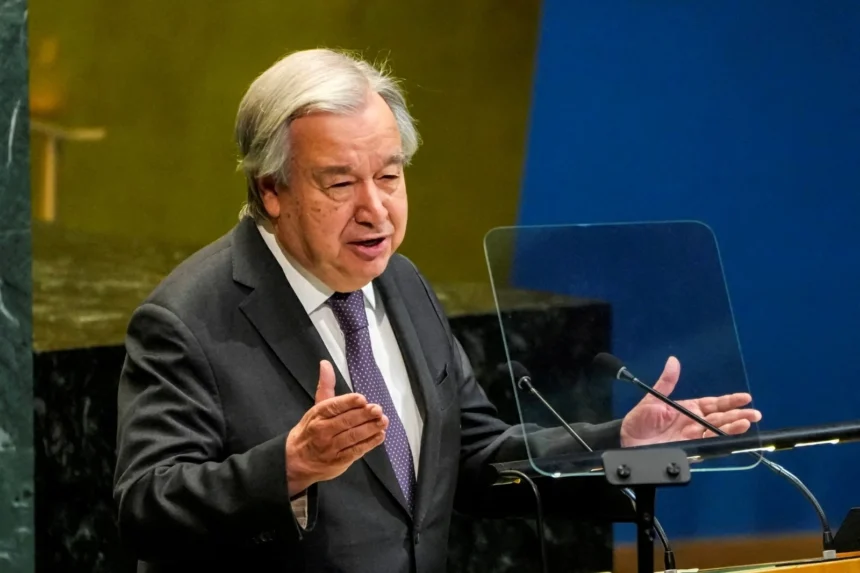
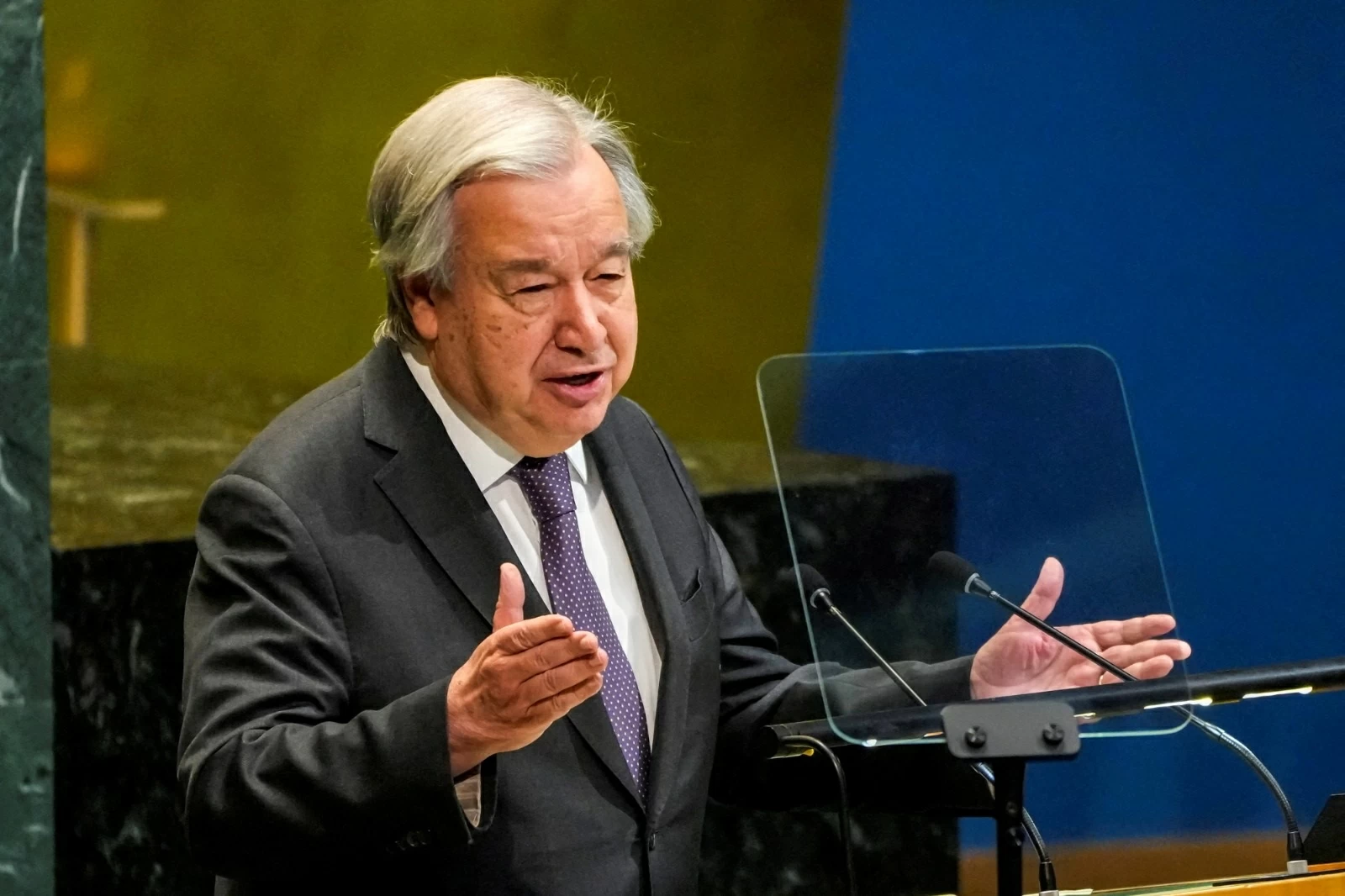
وحذّر الأمين العام للأمم المتحدة أنطونيو غوتيريش من أن الشرق الأوسط يتجه نحو أزمة أكثر «عمقاً وخطورة»، مؤكداً أن تداعيات التصعيد الحالي تتجاوز حدود المنطقة وتمس الأمن والاستقرار الدوليين.
وشدد غوتيريش، خلال إحاطة أمام مجلس الأمن الدولي، على ضرورة أن تعمل جميع الأطراف من أجل التوصل إلى تسوية دبلوماسية ووقف شامل لإطلاق النار، محذراً من أن استمرار العمليات العسكرية سيؤدي إلى تفاقم الأزمة الإنسانية والأمنية في المنطقة.
في الوقت ذاته، أكد وزير الخارجية اللبناني يوسف رجي أن لبنان يواجه ظروفاً بالغة الصعوبة نتيجة حرب فُرضت عليه خدمةً لأجندة خارجية.
وقال رجي، خلال جلسة استماع أمام لجنة الشؤون الخارجية في البرلمان الفرنسي، إن المفاوضات الجارية «تُدار حصراً من قبل الدولة اللبنانية ولمصلحة لبنان»، معتبراً أن المسار الدبلوماسي هو الخيار الوحيد لتحقيق حلول مستدامة.
The United Nations High Commissioner for Human Rights, Volker Turk, announced today (Wednesday) that the Commission will send a team of investigators to Lebanon next week to assess potential violations of international law by all parties in the ongoing war in the country.
Turk said, “This is the first time we are sending this assessment mission, and the goal is to look into the violations committed by all parties of international law and international human rights law, document them, and ultimately provide you with a report on the findings we reach.”
The United Nations reported that the crisis is leading to a rapid deterioration in food security, with nearly one in four people in Lebanon, or about 1.24 million people, expected to face crisis and emergency levels of food insecurity by August.
UN Secretary-General Antonio Guterres warned that the Middle East is heading towards a more “profound and dangerous” crisis, emphasizing that the repercussions of the current escalation go beyond the region’s borders and affect international security and stability.
Guterres stressed, during a briefing to the UN Security Council, the necessity for all parties to work towards a diplomatic settlement and a comprehensive ceasefire, warning that the continuation of military operations will exacerbate the humanitarian and security crisis in the region.
At the same time, Lebanese Foreign Minister Joseph Raji confirmed that Lebanon is facing extremely difficult circumstances due to a war imposed on it to serve an external agenda.
Raji stated during a hearing before the French Parliament’s Foreign Affairs Committee that the ongoing negotiations are “exclusively managed by the Lebanese state and in the interest of Lebanon,” considering that the diplomatic path is the only option for achieving sustainable solutions.