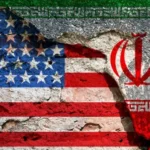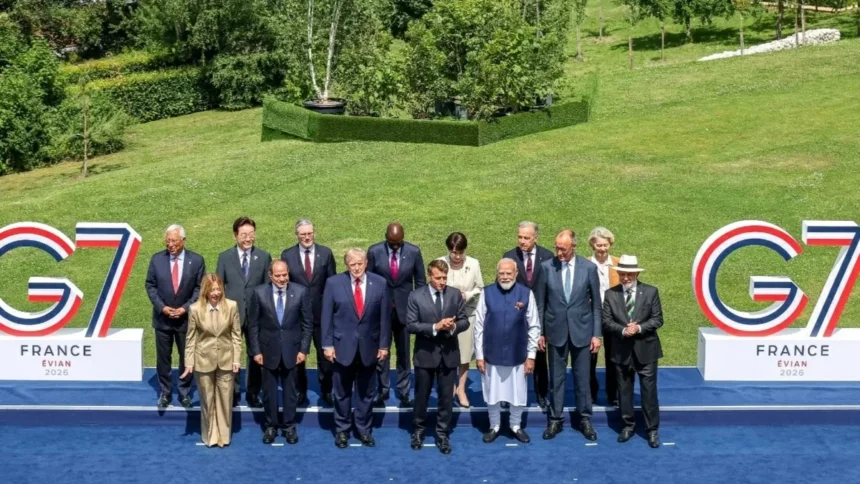
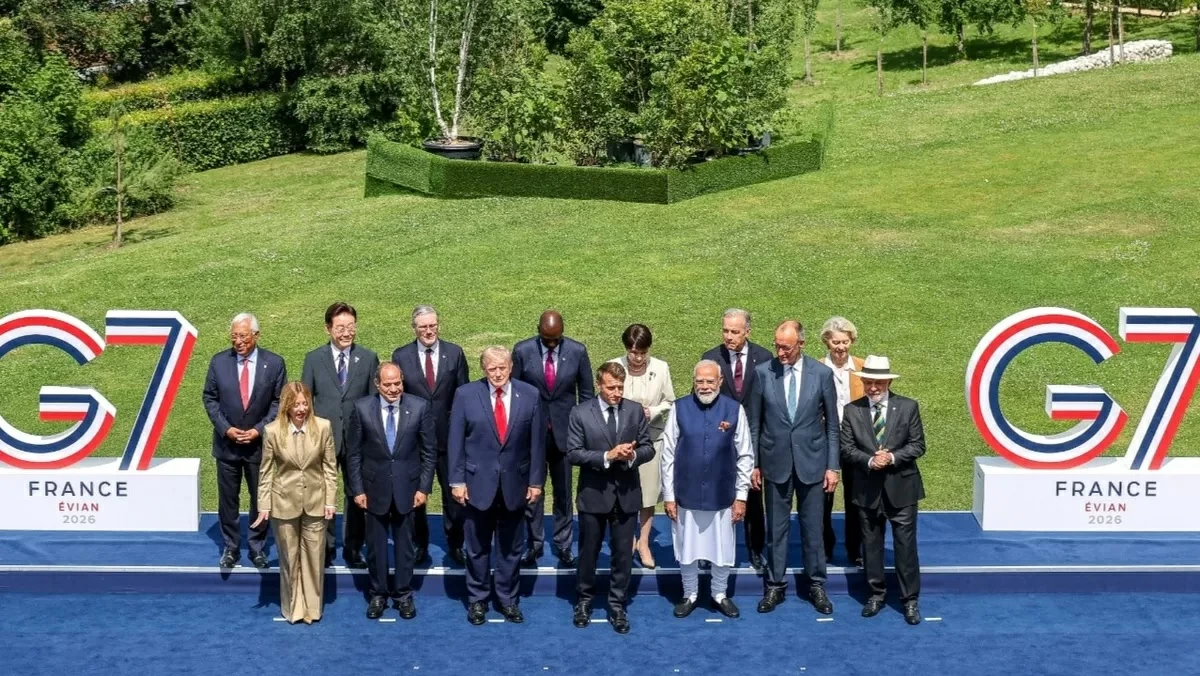
رحب قادة مجموعة السبع خلال قمتهم في إيفيان الفرنسية، بالاتفاق الأولي بين الولايات المتحدة وإيران بشأن إعادة فتح مضيق هرمز ومنع طهران من امتلاك سلاح نووي. وأكدوا أن حرية الملاحة وحق العبور دون قيود أو رسوم يشكلان أساس التجارة الدولية. وتعهدوا بالعمل على تقليل الاعتماد على المضيق وزيادة مخزونات الطاقة العالمية.
وذكر قادة المجموعة، وفق بيان نقلته وكالة «رويترز»، اليوم (الأربعاء)، استعدادهم للمساهمة في تنفيذ الاتفاق، إلى جانب دعم جهود القيادة اللبنانية لنزع سلاح «حزب الله» عبر وقف فوري وقوي لإطلاق النار في لبنان.
ووصف الرئيس الأمريكي دونالد ترمب الاتفاق بأنه «إنجاز دبلوماسي كبير»، معتبراً أنه يحقق معظم أهدافه المتعلقة بمنع إيران من تطوير سلاح نووي. وقال إن الاتفاق سيفتح الباب أمام عودة تدفق النفط عبر مضيق هرمز وخفض أسعار الطاقة وتعزيز الاستقرار في الشرق الأوسط.
ورغم التفاؤل الأمريكي، لا تزال تفاصيل الاتفاق محدودة، إذ يتوقع توقيع إطار أولي في سويسرا يتضمن إعادة فتح مضيق هرمز أمام الملاحة النفطية، وتقديم حوافز مالية لإيران مقابل الالتزام بشروط محددة، إضافة إلى إطلاق مفاوضات تمتد 60 يوماً لحسم القضايا الأكثر حساسية المرتبطة بالبرنامج النووي الإيراني.
وفي هذا السياق، رحبت فرنسا وبريطانيا، اللتان تقودان «مهمة هرمز» البحرية لتأمين الملاحة في الخليج، بالاتفاق، وأبدتا استعداداً لدعم عمليات إزالة الألغام وتأمين الممرات البحرية. وكشف مصدر دبلوماسي فرنسي أن النقاشات ركزت على قدرات إزالة الألغام، باعتبارها أولوية بالنسبة للولايات المتحدة.
وتحدثت تقارير غربية عن وجود تردد أوروبي بشأن المشاركة العسكرية المباشرة في عمليات إزالة الألغام، بسبب المخاطر الأمنية وعدم وضوح آليات التنفيذ. وذكرت وكالة «بلومبيرغ» أن بعض الدول الأوروبية أعادت تقييم مشاركتها في ظل المهلة الزمنية القصيرة التي حددها ترمب لإنجاز التفاهمات النهائية.
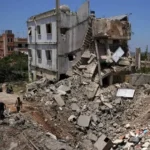
وأظهرت التصريحات الأمريكية والإيرانية تبايناً واضحاً بشأن الوضع في لبنان. فقد اعتبر وزير الخارجية الإيراني عباس عراقجي أن استمرار الوجود العسكري الإسرائيلي في جنوب لبنان يمثل انتهاكاً للاتفاق، مؤكداً أن الحرب لن تنتهي بالكامل دون انسحاب القوات الإسرائيلية. في المقابل، أوضح مسؤولون أمريكيون أن الانسحاب الإسرائيلي ليس شرطاً ضمن التفاهم، وأن لإسرائيل حق الرد على أي هجمات من «حزب الله». وأكد وزير الدفاع الإسرائيلي يسرائيل كاتس أن قوات بلاده ستبقى في الأراضي اللبنانية.
من جهته، قال ترمب إنه لا يعتقد أن التصعيد الإسرائيلي ضد «حزب الله» سيؤدي بالضرورة إلى انهيار الاتفاق، لكنه أبدى انزعاجه من استمرار المواجهات، معتبراً أن الحرب بين إسرائيل و«حزب الله» طالت أكثر مما ينبغي وتسببت بسقوط أعداد كبيرة من الضحايا.
During their summit in Évian, France, the leaders of the G7 welcomed the preliminary agreement between the United States and Iran regarding the reopening of the Strait of Hormuz and preventing Tehran from acquiring nuclear weapons. They emphasized that freedom of navigation and the right to transit without restrictions or fees form the basis of international trade. They pledged to work on reducing dependence on the strait and increasing global energy stocks.
The group leaders stated, according to a statement reported by Reuters today (Wednesday), their readiness to contribute to the implementation of the agreement, alongside supporting the efforts of Lebanese leadership to disarm Hezbollah through an immediate and strong ceasefire in Lebanon.
U.S. President Donald Trump described the agreement as a “major diplomatic achievement,” considering that it fulfills most of its objectives related to preventing Iran from developing nuclear weapons. He said the agreement would open the door for the return of oil flow through the Strait of Hormuz, lower energy prices, and enhance stability in the Middle East.
Despite American optimism, the details of the agreement remain limited, as a preliminary framework is expected to be signed in Switzerland that includes reopening the Strait of Hormuz to oil navigation and providing financial incentives to Iran in exchange for adhering to specific conditions, in addition to launching negotiations that will last 60 days to resolve the most sensitive issues related to the Iranian nuclear program.
In this context, France and Britain, which are leading the “Hormuz Mission” to secure navigation in the Gulf, welcomed the agreement and expressed readiness to support mine-clearing operations and secure maritime corridors. A French diplomatic source revealed that discussions focused on mine-clearing capabilities, considering it a priority for the United States.
Western reports indicated that there is European hesitation regarding direct military participation in mine-clearing operations due to security risks and unclear implementation mechanisms. Bloomberg reported that some European countries have reassessed their participation in light of the short timeframe set by Trump to finalize the agreements.
American and Iranian statements showed a clear divergence regarding the situation in Lebanon. Iranian Foreign Minister Abbas Araghchi considered that the continued Israeli military presence in southern Lebanon constitutes a violation of the agreement, asserting that the war will not end completely without the withdrawal of Israeli forces. In contrast, U.S. officials clarified that the Israeli withdrawal is not a condition of the understanding, and that Israel has the right to respond to any attacks from Hezbollah. Israeli Defense Minister Israel Katz confirmed that his country’s forces will remain in Lebanese territory.
For his part, Trump stated that he does not believe that Israeli escalation against Hezbollah will necessarily lead to the collapse of the agreement, but he expressed discomfort with the ongoing confrontations, considering that the war between Israel and Hezbollah has lasted longer than it should and has resulted in a large number of casualties.