كشفت نتائج دراسة سريرية واسعة عن نجاح لقاح شخصي تجريبي في خفض خطر عودة سرطان الجلد الميلانيني (الميلانوما) بنسبة 42%، عند استخدامه إلى جانب العلاج المناعي المعتاد بعد الجراحة، في تطور علمي يعزز الآمال في الحد من انتكاسة المرض.
وبحسب وكالة أسوشيتد برس، أعلنت شركتا الأدوية «موديرنا» و«ميرك» نتائج الدراسة، التي شملت أكثر من 1100 مريض مصابين بالميلانوما عالية الخطورة، بعد إزالة أورامهم جراحياً. ويعتمد اللقاح، المعروف باسم «إنتيسميران» (Intismeran)، على تقنية الحمض النووي الريبي المرسال (mRNA)، المستخدمة أيضاً في تطوير لقاحات كوفيد-19.
وقال الدكتور حسين توابي، أحد الباحثين المشاركين في الدراسة من مركز إم دي أندرسون للسرطان في هيوستن، إن النتائج تمثل تقدماً مهماً في مجال مكافحة السرطان، الذي كان يبحث عن نتائج إيجابية بهذا الحجم.
كيف يعمل اللقاح الشخصي؟
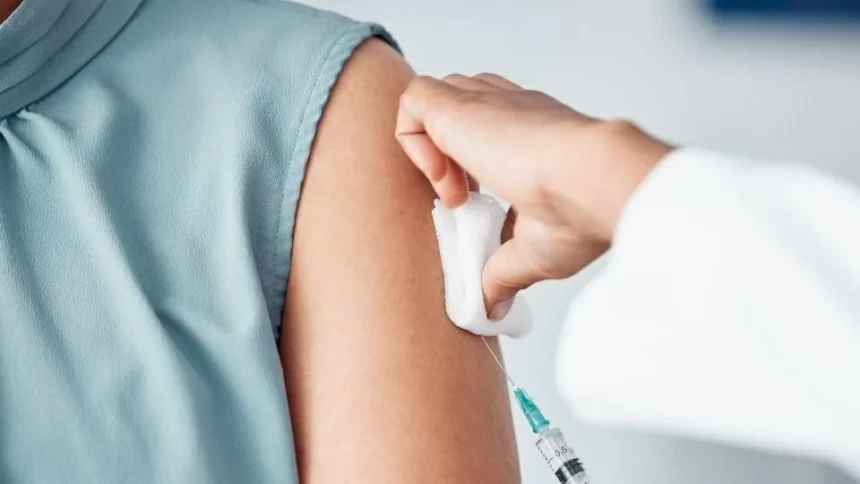
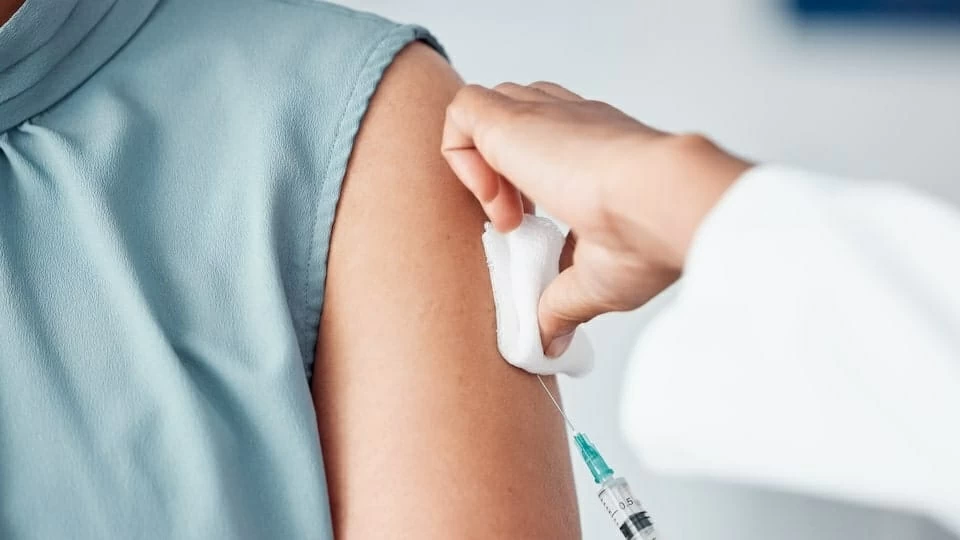
على عكس اللقاحات التقليدية التي تمنع العدوى، صُمم هذا اللقاح لمساعدة الجهاز المناعي على اكتشاف الخلايا السرطانية ومهاجمتها إذا عادت بعد الجراحة.
وتبدأ العملية بتحليل الخصائص الجينية للورم لتحديد الطفرات التي تميزه، والتي قد تؤدي إلى إنتاج بروتينات غير مألوفة للجسم تُعرف باسم «المستضدات الجديدة».
وبعد ذلك، يُصنع لقاح مخصص لكل مريض، لتدريب جهازه المناعي على التعرف على هذه العلامات واستهداف الخلايا التي تحملها.
ويتضمن العلاج تسع جرعات، تفصل بين كل منها ثلاثة أسابيع، وتُعطى إلى جانب عقار «كيترودا» (Keytruda)، وهو علاج مناعي تنتجه شركة ميرك. وتُعد هذه الإستراتيجية مختلفة عن اللقاحات الوقائية، مثل لقاح فايروس الورم الحليمي البشري ولقاح التهاب الكبد «ب»، اللذين يساعدان على منع بعض أنواع السرطان المرتبطة بالعدوى.
نتائج الدراسة: 82% دون انتكاسة
وُزع المشاركون عشوائياً على مجموعتين؛ تلقت الأولى اللقاح الشخصي إلى جانب «كيترودا»، بينما حصلت الثانية على العلاج المناعي مع دواء وهمي.
وبعد عامين، ظل 82% من المرضى الذين تلقوا اللقاح على قيد الحياة دون عودة السرطان، مقارنة بـ70% ممن تلقوا العلاج المناعي وحده، بفارق قدره 12 نقطة مئوية.
أما انخفاض خطر عودة المرض بنسبة 42%، فيشير إلى الانخفاض النسبي في الخطر وفق نتائج الدراسة، وليس إلى زيادة فرص الشفاء بمقدار 42 نقطة مئوية.
ولا تزال التجربة مستمرة لمتابعة المشاركين وتقييم النتائج على المدى الطويل.
مريض يروي تجربته مع اللقاح
ومن بين المشاركين توني هوت، البالغ 62 عاماً، الذي انضم إلى التجربة عام 2024 في مركز إم دي أندرسون، بعد اكتشاف بقعة في أذنه كانت تنزف بصورة متقطعةً ولا تلتئم تماماً. وأكد الأطباء إصابته بالميلانوما، وكشفت الجراحة أن المرض بدأ ينتشر.
وقال هوت إنه يريد فعل كل ما يستطيع ليبقى إلى جانب أسرته، موضحاً أنه يسافر من ولاية إنديانا إلى هيوستن كل بضعة أشهر لإجراء الفحوص.
وأظهرت فحوصه الأخيرة أنه لا يزال خالياً من السرطان، رغم أن حالته الفردية لا تكفي وحدها للحكم على فعالية العلاج.
وبحسب الباحث حسين توابي، شملت الآثار الجانبية الرئيسية ألم موضع الحقن والإرهاق وتفاعلات مشابهة لتلك المرتبطة بلقاحات كورونا المعتمدة على تقنية mRNA.
التكلفة والتوسع في علاج السرطان
لم تكشف موديرنا وميرك عن التكلفة المتوقعة للقاح، وسط مخاوف من ارتفاع أسعار العلاجات الشخصية التي تتطلب تحليلاً جينياً وتصنيعاً مخصصاً لكل مريض.
وقال ستيفن هوج، رئيس موديرنا، إن منشأة الشركة في ولاية ماساتشوستس تنتج جرعات لآلاف المشاركين في دراسات دولية. ويستغرق تصنيع اللقاح بضعة أيام، بينما قد تستغرق العملية كاملةً، بدءاً من تحليل الورم، نحو ستة أسابيع أو أكثر. وخلال هذه الفترة، سيبدأ المرضى العلاج المعتاد بـ«كيترودا».
ويرى خبراء أن نجاح الدراسة يعزز فرص تطوير لقاحات شخصية لأنواع أخرى من السرطان، إذ تُجرى أبحاث على علاجات مماثلة تستهدف سرطانات الرئة والكلى والبنكرياس.
وقالت كارين نودسن، الرئيسة التنفيذية لمعهد باركر، إن هذه التقنية تمثل جبهةً جديدةً في الأبحاث، فيما أشار الدكتور مايكل أتكينز، من جامعة جورجتاون، إلى إمكانية تطبيقها مستقبلاً على سرطانات متعددة.
وتناقش الشركتان حالياً مع الجهات التنظيمية الخطوات اللازمة للحصول على الموافقة، لكن اللقاح لا يزال تجريبياً، ويحتاج إلى متابعة طويلة الأمد لتقييم استدامة فعاليته وسلامته.
The results of a large clinical study revealed the success of an experimental personalized vaccine in reducing the risk of recurrence of melanoma (skin cancer) by 42% when used alongside standard immunotherapy after surgery, marking a scientific advancement that enhances hopes of limiting disease relapse.
According to the Associated Press, pharmaceutical companies Moderna and Merck announced the study results, which involved more than 1,100 patients with high-risk melanoma after their tumors were surgically removed. The vaccine, known as “Intismeran,” is based on messenger RNA (mRNA) technology, which was also used in developing COVID-19 vaccines.
Dr. Hussein Tawbi, one of the researchers participating in the study from the MD Anderson Cancer Center in Houston, stated that the results represent an important advancement in the fight against cancer, which has been seeking positive outcomes of this magnitude.
How does the personalized vaccine work?
Unlike traditional vaccines that prevent infections, this vaccine is designed to help the immune system recognize and attack cancer cells if they return after surgery.
The process begins with analyzing the genetic characteristics of the tumor to identify mutations that distinguish it, which may lead to the production of unfamiliar proteins in the body known as “neoantigens.”
After that, a customized vaccine is made for each patient to train their immune system to recognize these markers and target the cells that carry them.
The treatment includes nine doses, spaced three weeks apart, and is administered alongside the drug “Keytruda,” an immunotherapy produced by Merck. This strategy is different from preventive vaccines, such as the human papillomavirus vaccine and the hepatitis B vaccine, which help prevent certain types of cancer associated with infections.
Study results: 82% without relapse
Participants were randomly assigned to two groups; the first received the personalized vaccine along with “Keytruda,” while the second received immunotherapy with a placebo.
After two years, 82% of patients who received the vaccine were alive without cancer recurrence, compared to 70% of those who received immunotherapy alone, a difference of 12 percentage points.
The 42% reduction in the risk of disease recurrence indicates the relative decrease in risk according to the study results, not an increase in the chances of cure by 42 percentage points.
The trial is still ongoing to follow up with participants and assess long-term outcomes.
A patient shares his experience with the vaccine
Among the participants is Tony Hott, 62, who joined the trial in 2024 at the MD Anderson Center after discovering a spot on his ear that was intermittently bleeding and not healing completely. Doctors confirmed he had melanoma, and surgery revealed that the disease had begun to spread.
Hott said he wants to do everything he can to stay with his family, explaining that he travels from Indiana to Houston every few months for check-ups.
His recent tests showed he is still cancer-free, although his individual case alone is not sufficient to determine the treatment’s effectiveness.
According to researcher Hussein Tawbi, the main side effects included injection site pain, fatigue, and reactions similar to those associated with mRNA-based COVID vaccines.
Cost and expansion in cancer treatment
Moderna and Merck did not disclose the expected cost of the vaccine, amid concerns about the high prices of personalized treatments that require genetic analysis and manufacturing tailored to each patient.
Stephen Hoge, president of Moderna, stated that the company’s facility in Massachusetts produces doses for thousands of participants in international studies. Manufacturing the vaccine takes a few days, while the entire process, starting from tumor analysis, may take about six weeks or more. During this period, patients will begin standard treatment with “Keytruda.”
Experts believe that the success of the study enhances the chances of developing personalized vaccines for other types of cancer, as research is underway on similar treatments targeting lung, kidney, and pancreatic cancers.
Karen Knudsen, CEO of the Parker Institute, stated that this technology represents a new frontier in research, while Dr. Michael Atkins from Georgetown University noted its potential future application to multiple cancers.
The two companies are currently discussing with regulatory authorities the necessary steps to obtain approval, but the vaccine remains experimental and requires long-term follow-up to assess the sustainability of its effectiveness and safety.