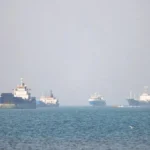


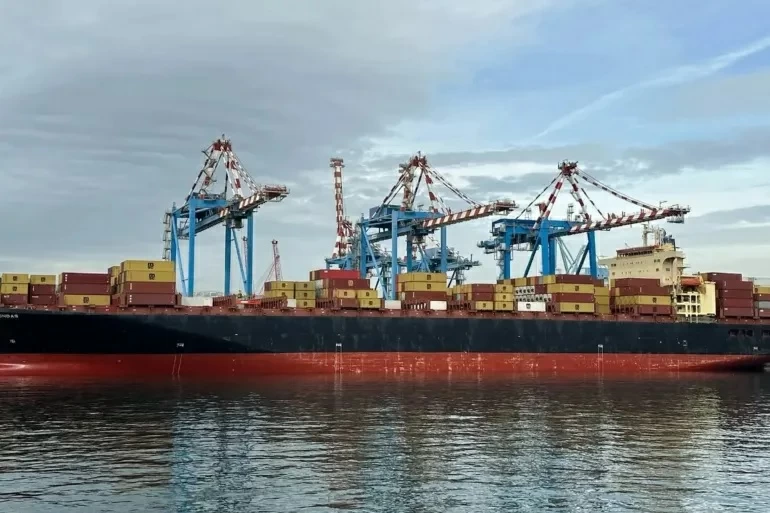
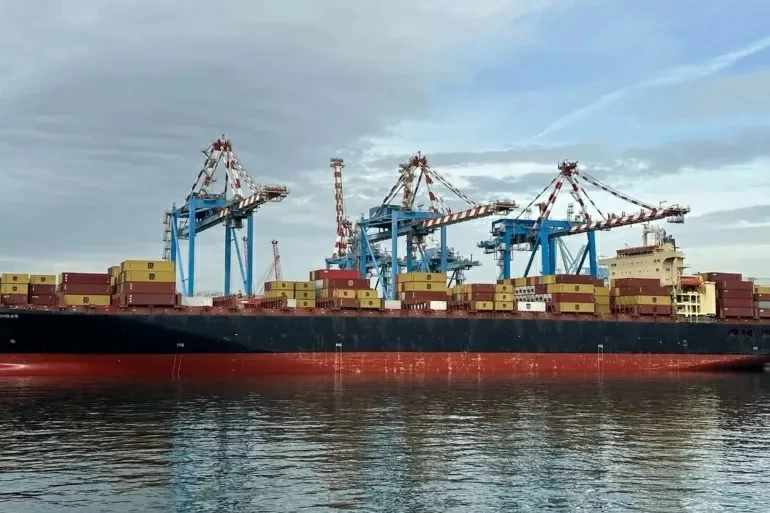
يوما بعد يوم، تتفاقم أزمة مضيق هرمز، بعد أن حولته إيران من شريان حيوي للتجارة العالمية إلى فخ مائي يحتجز مئات السفن التجارية وناقلات النفط والغاز.
ومع استمرار إغلاق الممر الملاحي، تقطعت السبل بأكثر من 20 ألف بحار، باتوا عالقين على متن سفنهم في انتظار «ضوء أخضر» قد يطول انتظاره للسماح لهم بمواصلة الإبحار.
ومع الإعلان الأمريكي المفاجئ عن تعليق عملية «مشروع الحرية» لتحرير المضيق من القبضة الإيرانية، فإن مصير هؤلاء يزداد غموضا.
وسجلت الأمم المتحدة مصرع 10 بحارة حتى الآن، لقوا حتفهم إما بسبب النقص الحاد في الغذاء ومياه الشرب والأدوية، أو جراء هجمات تعرضت لها سفنهم في ظل هذه الظروف الاستثنائية.
وتحدثت تقارير إعلامية عن قصة القبطان رامان كابور الذي وجد نفسه عالقا منذ أكثر من شهرين على متن إحدى ناقلات النفط بالقرب من مضيق هرمز، وهو يقود طاقما يتألف من 24 شخصا، يشكلون جزءا من جيش البحارة العالقين في مياه الخليج.
القبطان رامان وطاقمه من البحارة المحظوظين في هذه الأزمة؛ إذ تمكنت الشركة الأم المالكة لسفينتهم من توفير إمدادات كافية من مياه الشرب والطعام، ما جنبهم شبح الجوع والعطش الذي يخيم على سفن أخرى.
إلا أنه وعلى الجانب الآخر، لم يكن الحظ حليفا للجميع، إذ يصف العديد من البحارة العالقين الوضع بظلمات مضيق هرمز، حيث تتناقص الإمدادات الأساسية بشكل مخيف، وربما تنعدم تماما في بعض السفن.
ويعيش هؤلاء في ظل عزلة قسرية داخل مقصورات ضيقة لساعات طويلة، مما أدى إلى تصاعد حاد في حالات الإجهاد البدني والنفسي.
وإلى جانب المأساة الإنسانية، تُاجه السفن العالقة تحديات تقنية خطيرة، أبرزها انقطاع نظام تحديد المواقع العالمي (GPS)، ما أجبر الطواقم البحرية على العودة إلى استخدام أساليب الملاحة اليدوية التقليدية.
ولا تقتصر ارتدادات الأزمة على مياه الخليج، بل ضربت عمق الأسواق العالمية، وتسببت في اضطرابات واسعة، وتعطيل في سلاسل توريد المواد الخام، فضلا عن الارتفاع الجنوني في تكاليف الشحن البحري.
Day by day, the crisis in the Strait of Hormuz is worsening, as Iran has transformed it from a vital artery for global trade into a watery trap that holds hundreds of commercial ships and oil and gas tankers.
With the continued closure of the shipping corridor, more than 20,000 sailors have found themselves stranded on their vessels, waiting for a “green light” that may take a long time to receive to allow them to continue sailing.
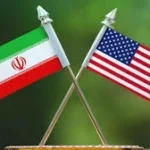
With the sudden American announcement to suspend the “Freedom Project” aimed at liberating the strait from Iranian control, the fate of these sailors becomes increasingly uncertain.
The United Nations has reported the deaths of 10 sailors so far, who lost their lives either due to severe shortages of food, drinking water, and medicine, or as a result of attacks on their ships under these extraordinary circumstances.
Media reports have recounted the story of Captain Raman Kapoor, who has found himself stranded for over two months on one of the oil tankers near the Strait of Hormuz, leading a crew of 24 people, who are part of the army of sailors trapped in the Gulf waters.
Captain Raman and his crew are among the lucky sailors in this crisis; the parent company that owns their ship has managed to provide sufficient supplies of drinking water and food, sparing them from the specter of hunger and thirst that looms over other vessels.
However, on the other hand, luck has not favored everyone, as many stranded sailors describe the situation as one of darkness in the Strait of Hormuz, where essential supplies are frighteningly dwindling, and may even be completely absent on some ships.
These sailors live under forced isolation within cramped quarters for long hours, leading to a sharp rise in cases of physical and psychological stress.
In addition to the humanitarian tragedy, the stranded ships face serious technical challenges, the most prominent of which is the disruption of the Global Positioning System (GPS), forcing the crews to revert to traditional manual navigation methods.
The repercussions of the crisis are not limited to the Gulf waters; they have struck deep into global markets, causing widespread disruptions, and a halt in the supply chains of raw materials, as well as a skyrocketing increase in maritime shipping costs.