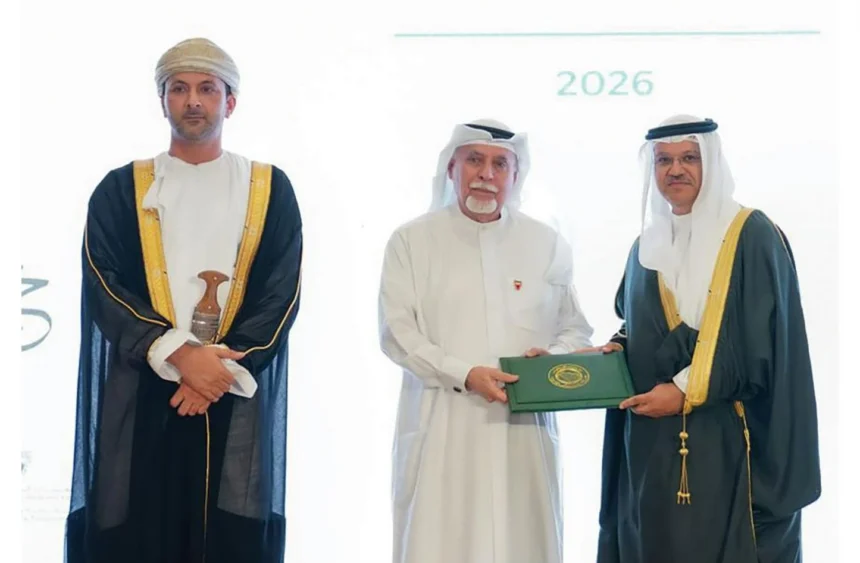
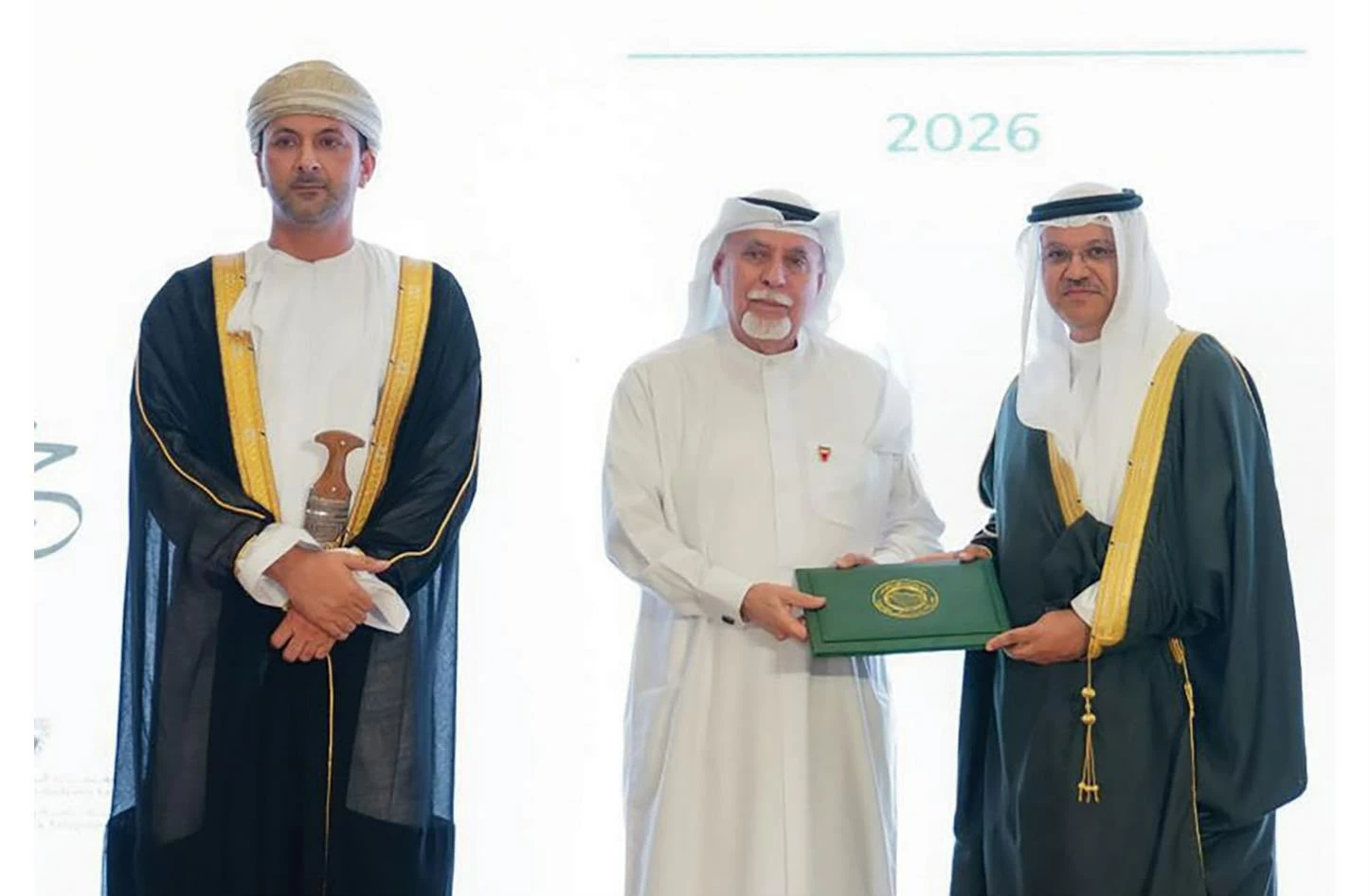
كرّمت الأمانة العامة لمجلس التعاون لدول الخليج العربية الأكاديمي والباحث البحريني الدكتور عبدالله المدني، أحد كتّاب «عكاظ» المميّزين، في فئة التوثيق والبحوث، خلال حفل تكريم المبدعين الخليجيين لعام 2026. وأُقيم الحفل في المنامة على هامش الاجتماع الثلاثين لوزراء الثقافة بدول المجلس، وشمل تكريم 12 مبدعًا من الدول الست.
وأعرب المدني عن سعادته بالتكريم، واصفًا ترشيحه من هيئة البحرين للثقافة والآثار بأنه «وسام على صدري، وتكريم لكل البحرينيين المجتهدين في حقول تخصصاتهم». وقال إن التكريم يمثّل تقديرًا لمشروعه الفردي الذي بدأه عام 2010 لتأريخ الحياة الاجتماعية في الخليج والجزيرة العربية، من خلال توثيق سير شخصيات المنطقة ومبدعيها، رجالًا ونساءً، في مجالات الفكر والسياسة والاقتصاد والإعلام والرياضة والفنون.
وأوضح أن المشروع أثمر حتى الآن صدور خمسة أجزاء من موسوعة «النخب في الخليج العربي» تحت عناوين مختلفة، وأنه يواصل العمل على أجزاء جديدة. وسبق أن تناول في مؤلفاته تاريخ التلفزيون في المنطقة، ومراحل تأكيد سيادة البحرين وهويتها العربية وصولًا إلى قرار مجلس الأمن رقم 278 في مايو 1970، وتاريخ العمالة الآسيوية في الخليج. وخصّ مدينة الخبر بكتاب يوثّق حياتها الاجتماعية والتجارية، ويضيء إسهام البحرينيين في نموّها خلال الأربعينات والخمسينات والستينات من القرن الماضي. كما شكر صحيفة «الأيام» البحرينية على نشر كتاباته الأسبوعية في التاريخ الاجتماعي.
وتتجلّى قيمة مشروع المدني في استخدام السيرة الفردية مدخلًا لفهم تحوّلات المجتمع الخليجي. ففي توثيقه للخبر، مثلًا، تتيح متابعة أدوار البحرينيين في الحياة التجارية للمدينة قراءة الصلات السعودية البحرينية من خلال أثرها في حياة الناس ونمو المدن. ويمتد هذا الاهتمام إلى مقالاته في «عكاظ»، إذ يجمع حضوره الصحفي بين الكتابة في تاريخ الخليج الاجتماعي وتحليل الشؤون الآسيوية.
The General Secretariat of the Gulf Cooperation Council honored the Bahraini academic and researcher Dr. Abdullah Al-Madani, one of the distinguished writers of “Okaz,” in the category of documentation and research, during the ceremony honoring Gulf innovators for the year 2026. The ceremony took place in Manama on the sidelines of the thirtieth meeting of the Council of Ministers of Culture of the member states, and included the honoring of 12 innovators from the six countries.
Al-Madani expressed his happiness at the honor, describing his nomination by the Bahrain Authority for Culture and Antiquities as “a medal on my chest, and a recognition for all hardworking Bahrainis in their fields of specialization.” He stated that the honor represents appreciation for his individual project that he started in 2010 to document social life in the Gulf and the Arabian Peninsula, by documenting the biographies of the region’s personalities and its creators, both men and women, in the fields of thought, politics, economics, media, sports, and arts.
He explained that the project has so far resulted in the publication of five volumes of the “Elites in the Arabian Gulf” encyclopedia under different titles, and that he continues to work on new volumes. He has previously addressed in his writings the history of television in the region, the stages of affirming Bahrain’s sovereignty and its Arab identity leading up to UN Security Council Resolution 278 in May 1970, and the history of Asian labor in the Gulf. He dedicated a book to the city of Khobar that documents its social and commercial life, highlighting the contributions of Bahrainis to its growth during the 1940s, 1950s, and 1960s. He also thanked the Bahraini newspaper “Al-Ayam” for publishing his weekly writings on social history.
The value of Al-Madani’s project is evident in using individual biography as an entry point to understand the transformations of Gulf society. For instance, in documenting Khobar, following the roles of Bahrainis in the city’s commercial life allows for reading the Saudi-Bahraini connections through their impact on people’s lives and the growth of cities. This interest extends to his articles in “Okaz,” where his journalistic presence combines writing about the social history of the Gulf and analyzing Asian affairs.