

ردت الهيئة العامة للاستعلامات المصرية على ما ورد في مقال نشرته صحيفة الغارديان البريطانية تحت عنوان «الفقر والعنصرية والاختفاء القسري.. لماذا يغادر لاجئو الحرب السودانيون مصر إلى أوروبا»، مؤكدة أن ما تضمنه التقرير من استنتاجات وادعاءات لا يعكس الصورة الكاملة للأوضاع المتعلقة باستضافة مصر للأشقاء السودانيين الفارين من الحرب، ويستند إلى عرض جزئي يفتقر إلى الموضوعية والتوازن.
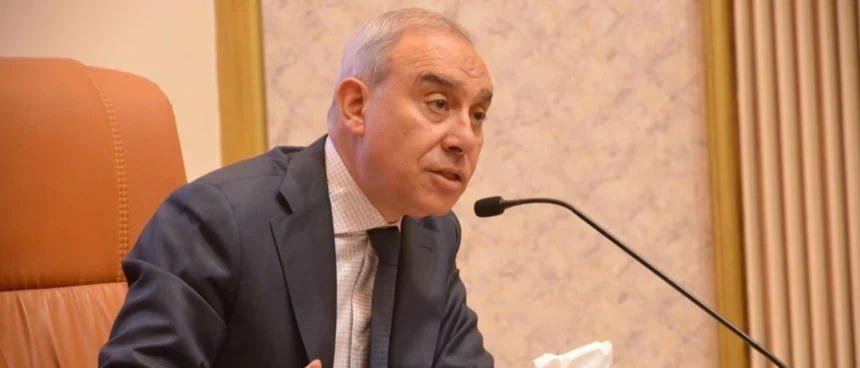
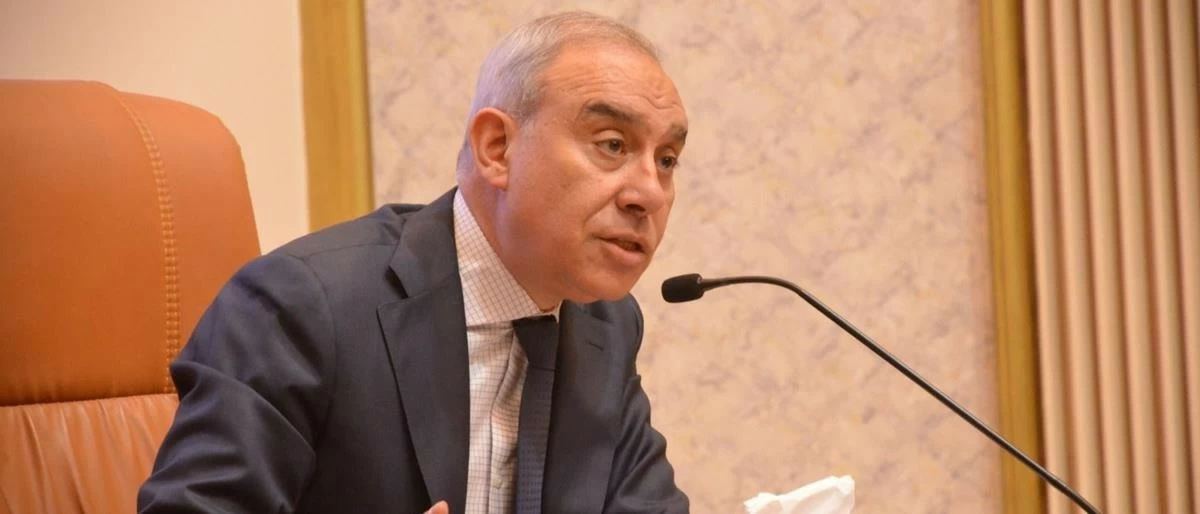
وفي خطاب رسمي وجهته إلى الصحيفة، فنّد رئيس مجلس إدارة الهيئة العامة للاستعلامات السفير علاء يوسف ما جاء في المقال، مشدداً على أن التقرير أغفل حقائق أساسية تتعلق بالدور الذي اضطلعت به مصر منذ اندلاع الأزمة السودانية في أبريل 2023، باعتبارها من أكثر الدول استقبالاً للفارين من النزاع رغم التحديات الاقتصادية والإقليمية المتزايدة التي تواجهها.
وأكد السفير علاء يوسف أن مصر واصلت فتح أبوابها أمام الأشقاء السودانيين الباحثين عن الأمن والاستقرار، إذ يعيش الملايين منهم داخل البلاد ويمارسون حياتهم بصورة طبيعية في مجالات الدراسة والعمل والاستثمار، ومن بينهم نحو مليون شخص نزحوا بسبب الحرب الدائرة في السودان.
وأوضح أن التعاطي المصري مع الأزمة استند منذ البداية إلى اعتبارات إنسانية راسخة وروابط تاريخية عميقة تجمع بين الشعبين المصري والسوداني.
وأشار رئيس الهيئة العامة للاستعلامات إلى أن النموذج المصري في استضافة النازحين واللاجئين يختلف عن العديد من التجارب الدولية، إذ لم تعتمد الدولة سياسة إنشاء المخيمات أو عزل الوافدين، وإنما أتاحت لهم الإقامة داخل المدن والقرى والاستفادة من خدمات التعليم والرعاية الصحية والخدمات العامة، بما يحفظ كرامتهم ويسهم في اندماجهم داخل المجتمع.
وأضاف أن مؤسسات الدولة المصرية، بالتعاون مع المنظمات الدولية المعنية، بذلت جهوداً كبيرة لاستيعاب التدفقات المتزايدة من النازحين السودانيين، إذ استمرت المدارس والمستشفيات في تقديم خدماتها للأسر السودانية رغم الضغوط الكبيرة الواقعة على الموارد الوطنية، بما يعكس التزام مصر بمسؤولياتها الإنسانية تجاه الأشقاء السودانيين.
ولفت السفير علاء يوسف إلى أن العلاقات المصرية السودانية لا يمكن اختزالها في الظروف المرتبطة بالأزمة الحالية، إذ تستند إلى روابط تاريخية وثقافية واجتماعية ممتدة عبر عقود طويلة، عاش خلالها ملايين السودانيين في مصر كطلاب ومهنيين وأصحاب أعمال وعائلات مستقرة، وأسهموا بصورة إيجابية في مختلف مناحي الحياة داخل المجتمع المصري.
وفيما يتعلق بما أورده التقرير من ادعاءات بشأن العنصرية أو سوء المعاملة، أوضح رئيس الهيئة العامة للاستعلامات أن المادة الصحفية اعتمدت بشكل أساسي على روايات فردية منسوبة إلى عدد محدود من الأشخاص دون الإفصاح عن هوياتهم، معتبراً أن مثل هذه الشهادات لا يمكن أن تشكل أساساً لبناء أحكام عامة أو استخلاص استنتاجات تتعلق بتجربة مجتمع كامل أو بسياسات دولة.
وأكد أن التقرير لم يمنح المؤسسات المصرية المعنية فرصة كافية لعرض وجهة نظرها أو توضيح الحقائق المرتبطة بالوقائع التي تناولها، كما لم يعكس حجم الجهود المبذولة لتلبية الاحتياجات التعليمية والصحية والأمنية للسودانيين المقيمين على الأراضي المصرية.
وأوضح السفير علاء يوسف أن بعض الحالات التي أشار إليها التقرير قد تكون مرتبطة بعدم استيفاء المتطلبات القانونية المنظمة للإقامة، مؤكداً أن مصر تطبق قوانينها على جميع الأجانب دون تمييز، وأن أي إجراءات قانونية أو إدارية يتم اتخاذها تستند إلى أحكام القانون وليس إلى جنسية الأفراد أو خلفياتهم.
وأضاف أن الخلط بين تطبيق القانون وبين الادعاءات المتعلقة بالتمييز يقود إلى استنتاجات غير دقيقة، ولا يعكس طبيعة السياسات المصرية القائمة على احترام القانون والمساواة في تطبيقه على الجميع.
وجددت الهيئة العامة للاستعلامات تأكيدها رفض مؤسسات الدولة المصرية أي ممارسات تخالف القانون أو تمس حقوق المقيمين على الأراضي المصرية، مشيرة إلى وجود آليات قانونية ومؤسسية للتعامل مع أي شكاوى أو تجاوزات فردية، وأن تعميم وقائع محدودة وتحويلها إلى أحكام شاملة بحق المجتمع المصري أو سياسات الدولة يفتقر إلى الموضوعية والتوازن.
وشدد البيان على أن أي تقييم منصف للاستجابة المصرية للأزمة السودانية ينبغي أن يضع في اعتباره حجم الأعباء الإنسانية والاجتماعية والاقتصادية التي تحملتها مصر من أجل توفير الحماية والمساعدة لمئات الآلاف من الفارين من الحرب.
واختتم السفير علاء يوسف خطابه إلى صحيفة الغارديان بالتأكيد على أن القراء يستحقون تغطيات إعلامية تستند إلى الحقائق الكاملة والتحقق الدقيق من المعلومات، لا إلى روايات جزئية أو افتراضات مسبقة، داعياً إلى تبني مقاربات صحفية أكثر توازناً وإنصافاً عند تناول القضايا المرتبطة بالمنطقة، ومطالباً الصحيفة بنشر الرد كاملاً التزاماً بالمعايير المهنية وأخلاقيات العمل الصحفي.
The Egyptian General Authority for Information responded to an article published by the British newspaper The Guardian titled “Poverty, Racism, and Forced Disappearance: Why Sudanese War Refugees are Leaving Egypt for Europe,” emphasizing that the conclusions and claims in the report do not reflect the complete picture of the situation regarding Egypt’s hosting of Sudanese brothers fleeing war, and are based on a partial presentation that lacks objectivity and balance.
In an official letter addressed to the newspaper, the Chairman of the General Authority for Information, Ambassador Alaa Youssef, refuted what was stated in the article, stressing that the report overlooked essential facts related to the role Egypt has played since the outbreak of the Sudanese crisis in April 2023, as it is one of the most welcoming countries for those fleeing the conflict despite the increasing economic and regional challenges it faces.
Ambassador Alaa Youssef confirmed that Egypt has continued to open its doors to Sudanese brothers seeking safety and stability, as millions of them live within the country and lead normal lives in education, work, and investment, including about one million people who have been displaced due to the ongoing war in Sudan.
He explained that Egypt’s approach to the crisis has been based from the beginning on solid humanitarian considerations and deep historical ties between the Egyptian and Sudanese peoples.
The Chairman of the General Authority for Information pointed out that the Egyptian model in hosting displaced persons and refugees differs from many international experiences, as the state has not adopted a policy of creating camps or isolating newcomers, but rather has allowed them to reside within cities and villages and benefit from education, healthcare, and public services, preserving their dignity and contributing to their integration into society.
He added that Egyptian state institutions, in cooperation with relevant international organizations, have made significant efforts to accommodate the increasing influx of Sudanese displaced persons, as schools and hospitals continued to provide services to Sudanese families despite the immense pressure on national resources, reflecting Egypt’s commitment to its humanitarian responsibilities towards its Sudanese brothers.
Ambassador Alaa Youssef noted that Egyptian-Sudanese relations cannot be reduced to the circumstances related to the current crisis, as they are based on historical, cultural, and social ties that have extended over decades, during which millions of Sudanese have lived in Egypt as students, professionals, business owners, and stable families, positively contributing to various aspects of life within Egyptian society.
Regarding the report’s allegations about racism or mistreatment, the Chairman of the General Authority for Information clarified that the journalistic material relied primarily on individual accounts attributed to a limited number of people without disclosing their identities, considering that such testimonies cannot form the basis for general judgments or conclusions regarding the experience of an entire community or a state’s policies.
He confirmed that the report did not provide the relevant Egyptian institutions with sufficient opportunity to present their viewpoint or clarify the facts related to the incidents discussed, nor did it reflect the extent of the efforts made to meet the educational, health, and security needs of Sudanese residing in Egyptian territory.
Ambassador Alaa Youssef explained that some cases mentioned in the report may be related to the failure to meet the legal requirements governing residency, affirming that Egypt applies its laws to all foreigners without discrimination, and that any legal or administrative actions taken are based on the provisions of the law and not on individuals’ nationality or backgrounds.
He added that conflating the application of the law with allegations of discrimination leads to inaccurate conclusions and does not reflect the nature of Egyptian policies based on respect for the law and equality in its application to all.
The General Authority for Information reiterated its rejection of any practices by Egyptian state institutions that violate the law or affect the rights of those residing in Egyptian territory, pointing out that there are legal and institutional mechanisms to address any complaints or individual violations, and that generalizing specific incidents and turning them into sweeping judgments against Egyptian society or state policies lacks objectivity and balance.
The statement emphasized that any fair assessment of Egypt’s response to the Sudanese crisis should take into account the magnitude of the humanitarian, social, and economic burdens that Egypt has borne in order to provide protection and assistance to hundreds of thousands of those fleeing the war.
Ambassador Alaa Youssef concluded his letter to The Guardian by affirming that readers deserve media coverage based on complete facts and accurate verification of information, not on partial narratives or preconceived assumptions, calling for more balanced and fair journalistic approaches when addressing issues related to the region, and urging the newspaper to publish the full response in adherence to professional standards and journalistic ethics.