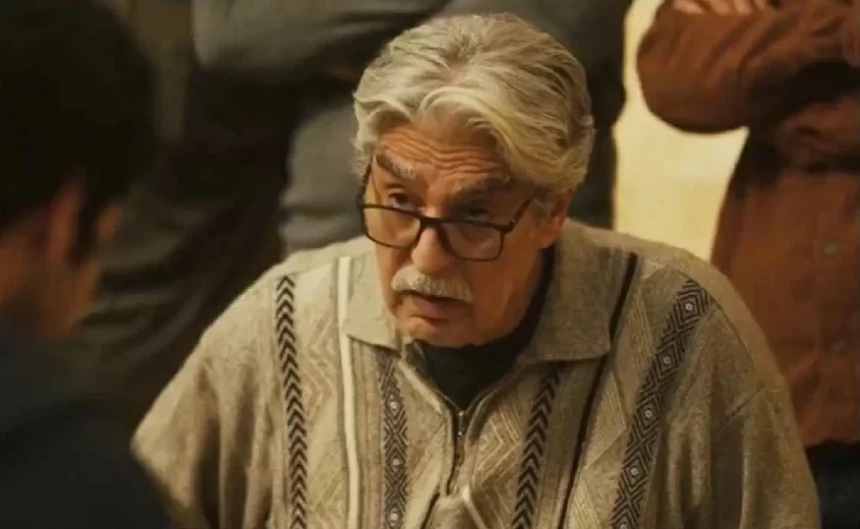
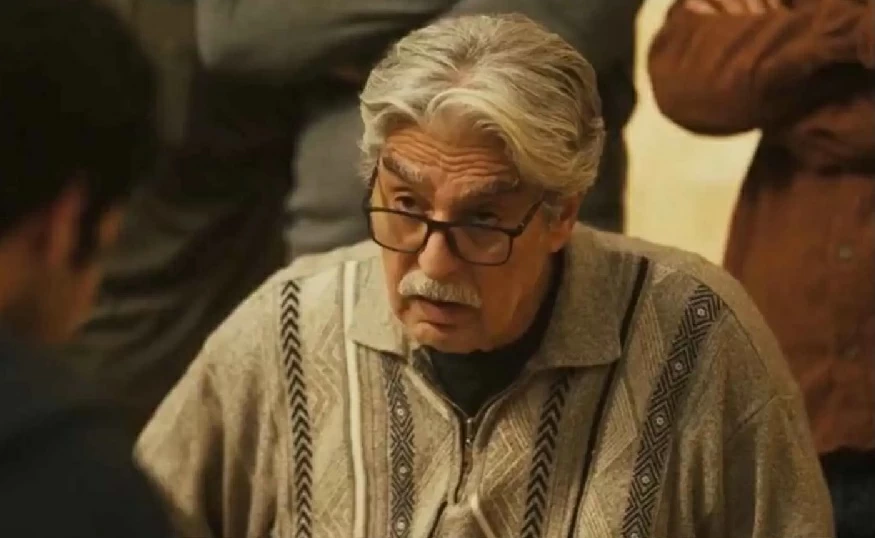
كشف الفنان السوري عباس النوري عن واحدة من أكثر المواقف توتراً في مشواره الفني، مستعيداً حادثة فقد خلالها أعصابه داخل موقع التصوير بعدما شعر بتعرضه للإهانة أمام زملائه.
وأوضح النوري أن الأزمة بدأت عندما طلب أحد المخرجين من فريق العمل التصفيق له بطريقة ساخرة بسبب تأخره عن موعد التصوير، وهو ما اعتبره تصرفاً غير لائق ومسيئاً له أمام الحاضرين.
وأضاف أن مشاعر الغضب سيطرت عليه في تلك اللحظة، ما دفعه إلى قلب الطاولة وتحطيم جهاز المراقبة الخاص بالتصوير (المونيتور)، في رد فعل وصفه اليوم بأنه لم يكن صحيحاً، رغم تفهمه للأسباب التي دفعته إليه.
وأكد الفنان السوري أن العلاقة بين المخرج والممثل يجب أن تُبنى على الاحترام المتبادل والحوار المهني، مشيراً إلى أن النقاش حول الشخصية وتفاصيلها أفضل من أي أسلوب قد يسيء إلى أحد أطراف العمل.
وعن تجربته الفنية، شدد النوري على أن الممثل ليس مطالباً بتبني أفكار الشخصيات التي يجسدها، بل بفهم دوافعها وتقديمها بصورة مقنعة على الشاشة، مستشهداً بعدد من الأدوار التي قدمها خلال مسيرته.
كما استعاد محطة (أبو عصام) في مسلسل (باب الحارة)، مؤكداً أن الشخصية لعبت دوراً محورياً في توسيع شعبيته عربياً، بفضل ما حملته من صفات جمعت بين الحزم والبعد الإنساني والعائلي.
ورغم النجاح الجماهيري الكبير للشخصية، أوضح النوري أنها ليست بالضرورة الأقرب إلى تقييمه الفني، كاشفاً أن شخصية (طلحة الجمل) في مسلسل (مطبخ المدينة) تبقى من أكثر الأدوار التي منحته مساحة فنية وإنسانية غنية لاستكشاف تعقيدات الشخصية وأبعادها النفسية.
The Syrian artist Abbas Al-Nouri revealed one of the most tense moments in his artistic career, recalling an incident where he lost his temper on set after feeling insulted in front of his colleagues.
Al-Nouri explained that the crisis began when one of the directors sarcastically asked the crew to applaud him due to his tardiness, which he considered an inappropriate and offensive act in front of those present.
He added that feelings of anger overwhelmed him at that moment, prompting him to flip the table and smash the monitor used for filming, a reaction he described today as not correct, despite his understanding of the reasons that led him to it.
The Syrian artist emphasized that the relationship between the director and the actor should be built on mutual respect and professional dialogue, pointing out that discussing the character and its details is better than any method that may offend one of the parties involved in the work.
Regarding his artistic experience, Al-Nouri stressed that an actor is not required to adopt the ideas of the characters he portrays, but rather to understand their motivations and present them convincingly on screen, citing several roles he has played throughout his career.
He also recalled the character of (Abu Issam) in the series (Bab Al-Hara), confirming that this character played a pivotal role in expanding his popularity across the Arab world, thanks to the qualities it embodied, which combined firmness with a human and familial dimension.
Despite the great public success of the character, Al-Nouri clarified that it is not necessarily the closest to his artistic evaluation, revealing that the character of (Talha Al-Jamal) in the series (Matbakh Al-Madina) remains one of the roles that provided him with a rich artistic and human space to explore the complexities of the character and its psychological dimensions.