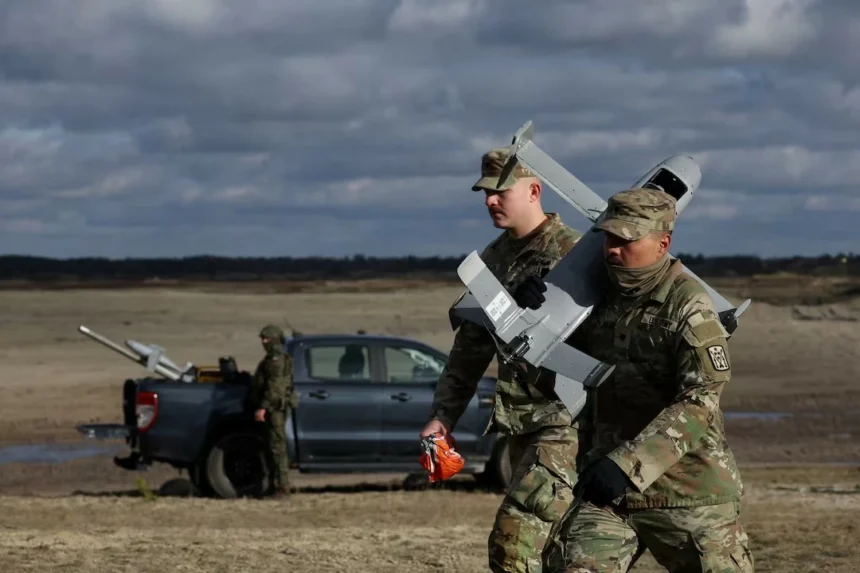
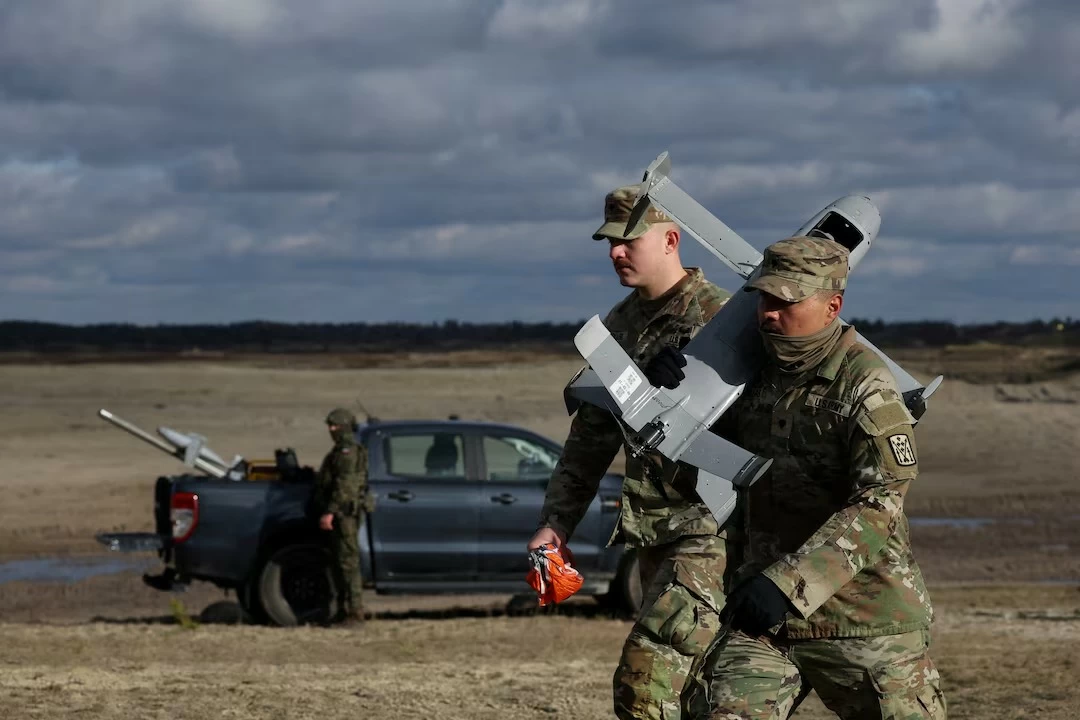
تتجه دول أوروبية إلى توسيع نطاق الدفاعات المضادة للطائرات المسيّرة، عبر منح مشغلي البنية التحتية الحيوية صلاحيات كانت تقتصر تقليدياً على الجيوش والأجهزة الأمنية، في ظل تصاعد المخاوف من الهجمات الهجينة التي قد تستهدف شبكات الكهرباء والمطارات والسكك الحديدية والمنشآت الإستراتيجية.
وتختبر فرق متخصصة في قاعدة سابقة لاختبارات الطيران بمنطقة بريتيني سور أورج، جنوب باريس، تقنيات متطورة لرصد المسيّرات والتشويش عليها وإسقاطها باستخدام طائرات اعتراضية، في إطار جهود أوروبية لتطوير وسائل التصدي للتهديدات الجوية التي تزايدت منذ اندلاع الحرب الروسية الأوكرانية عام 2022.
ولم تعد الجهات المهتمة بهذه التقنيات تقتصر على الحكومات والجيوش والشرطة، إذ تتزايد طلبات شركات القطاع الخاص والمؤسسات الحكومية المشغلة للبنية التحتية الحيوية لتعزيز دفاعاتها، وسط مطالب من بعض شركات المرافق بالحصول على إذناً للتعامل المباشر مع المسيّرات التي تهدد منشآتها.
مخاوف من استهداف شبكات الكهرباء والتدفئة
وتثير الهجمات المحتملة على البنية التحتية مخاوف أوروبية متزايدة من إمكانية تعطيل إمدادات الكهرباء والتدفئة عن ملايين الأشخاص، خصوصاً في فصل الشتاء، في ظل تجارب أوكرانيا مع الأضرار التي لحقت بشبكات الطاقة جراء الضربات الروسية.
وقال الأمين العام لاتحاد شركات الكهرباء الأوروبية «يوريليك» كريستيان روبي، إن احتمال حدوث انقطاعات في التدفئة خلال الشتاء نتيجة هجمات هجينة لم يعد مجرد افتراض نظرياً، بل أصبح احتمالاً عملياً يتزايد الاهتمام به.
وتشير هذه المخاوف إلى تحول في طبيعة الاستعدادات الأمنية الأوروبية، إذ باتت حماية المنشآت المدنية وشبكات الطاقة جزءاً أساسياً من خطط مواجهة التهديدات العسكرية وغير التقليدية.
وبحسب وكالة «رويترز» أظهرت مقابلات مع أكثر من 30 مسؤولاً تنفيذياً وخبيراً في المسيّرات ومسؤولاً حكومياً أن تقنيات الكشف عن الطائرات المسيّرة واعتراضها تتطور بوتيرة أسرع من القوانين التي تحدد الجهات المخولة باستخدامها.
فرنسا تمنح المنشآت الحيوية صلاحيات جديدة
وتتصدر فرنسا الدول الأوروبية التي تتجه إلى توسيع دور مشغلي البنية التحتية في التصدي للمسيّرات، بعدما أقر البرلمان الفرنسي في أغسطس قانوناً يسمح لمشغلي منشآت حيوية معتمدين، إلى جانب شركات متعاقدة معهم، برصد المسيّرات والتشويش عليها وإسقاطها بالقرب من مواقع محددة.
وجاءت الخطوة عقب سلسلة من حوادث التحليق فوق مواقع حساسة وعسكرية، من بينها رحلات مسيّرات فوق قاعدة إيل لونغ للغواصات النووية قرب مدينة بريست شمال غربي فرنسا في ديسمبر 2025.
وبحسب مسؤول فرنسي مطلع على الخطط، تسعى الحكومة إلى تجهيز قائمة موسعة من المواقع الحساسة ذات الأهمية الحيوية بأنظمة مضادة للمسيّرات بحلول عام 2027.
وقال المسؤول إن فرنسا كانت تفتقر إلى وسائل كافية للتعامل مع التهديد، مشيراً إلى أن المخاوف تصاعدت خلال العقد الماضي مع انتشار الطائرات المسيّرة وانخفاض الحواجز أمام امتلاكها واستخدامها.
وتعتزم الحكومة توفير قائمة بالأنظمة المعتمدة التي يمكن اختيارها وفق طبيعة المنشأة والظروف التشغيلية، بدءاً من أجهزة التشويش الإلكتروني وصولاً إلى المسيّرات الاعتراضية.
ألمانيا والنمسا تراجعان القواعد القانونية
في ألمانيا، أعاد العثور على مسيّرة محملة بالمتفجرات بالقرب من طائرة شحن أوكرانية في مطار لايبزيغ/هاله خلال أغسطس تسليط الضوء على اتساع نطاق التهديدات المحتملة.
واتهمت برلين روسيا بالوقوف وراء الحادثة، بينما نفت موسكو مسؤوليتها عنها، كما تنفي باستمرار تنفيذ هجمات هجينة في أوروبا.
وتدرس وزارة الداخلية الألمانية حالياً سبل إشراك مشغلي البنية التحتية الحيوية والجهات الخارجية في عمليات التصدي المباشر للمسيّرات، في ظل بقاء هذه المهام ضمن اختصاصات الشرطة.
أما النمسا، فأعلنت في سبتمبر خططاً لمنح مشغلي المنشآت الحيوية، بما في ذلك شركات الطاقة الكبرى، صلاحيات مماثلة.
وقالت وزيرة الدفاع النمساوية كلاوديا تانر إن الدولة لا تستطيع حماية كل موقع بمفردها، في إشارة إلى الحاجة إلى توسيع دائرة الجهات المشاركة في منظومة الأمن.
بولندا تتقدم في نشر أنظمة مكافحة المسيّرات
وتتخذ بولندا خطوات أكثر تقدماً في هذا المجال، إذ أفاد مشغلو منشآت حيوية بأنهم نشروا أنظمة مضادة للمسيّرات ونفذوا تدريبات بالتعاون مع وحدات من الجيش والشرطة.
كما أُنشئت مناطق محظورة على الطيران حول منشآت حيوية للطاقة، ومُنحت وحدات أمنية محددة تعمل لدى المشغلين صلاحيات لتدمير المسيّرات التي تدخل هذه المناطق أو تعطيلها أو السيطرة عليها.
لكن مسؤولين في شركات لنقل الطاقة على الجناح الشرقي لحلف شمال الأطلسي «الناتو» أكدوا أن التدخل الفعّال لا يزال يتطلب ضمانات قانونية أوضح بشأن المسؤولية عن الأضرار الجانبية.
وتتمثل إحدى المعضلات في أن إسقاط مسيّرة قد يؤدي إلى إصابة أشخاص على الأرض أو إلحاق أضرار بالممتلكات، ما يثير تساؤلات حول الجهة التي تتحمل المسؤولية القانونية والمالية.
من إصلاح الأضرار إلى منع الهجمات
ويمثل توسيع صلاحيات الشركات تحولاً في فلسفة حماية البنية التحتية الأوروبية، التي ركزت لسنوات على تعزيز متانة الشبكات والاستعداد لإصلاح الأعطال واستعادة الخدمات، بدلاً من منع جميع الهجمات قبل وقوعها.
وقال ليونهارد بيرنباوم، الرئيس التنفيذي لشركة الطاقة الألمانية «إي أون»، في سبتمبر، إن مشغلي المرافق ينبغي أن يفترضوا احتمال نجاح بعض الهجمات، بدلاً من بناء خططهم على أساس القدرة على منعها جميعاً.
وتشغّل الشركة نحو 2720 محطة فرعية في ألمانيا، ما يعكس اتساع نطاق المنشآت التي يتعين تأمينها وصعوبة توفير فرق متخصصة في كل موقع.
وفي ليتوانيا، يجري بناء محطة فرعية محصنة بالقرب من الحدود الروسية، ضمن جهود أوسع لدول البلطيق وبولندا لتعزيز حماية شبكات الطاقة، تشمل إنشاء ملاجئ محصنة وتركيب شبكات مضادة للمسيّرات وتخزين معدات أساسية يصعب استبدالها سريعاً.
أما مشغل شبكة نقل الكهرباء البولندي «بي إس إي»، فيستخدم المروحيات لمراقبة أجزاء من شبكة الضغط العالي الممتدة لنحو 16.5 ألف كيلومتر، ويستعد لتوفير طائرات أكثر قدرة للمساعدة في حماية وصلة كهربائية بحرية مع السويد.
وتكمن خطورة هذه التهديدات في أن الطائرات المسيّرة منخفضة التكلفة يمكن أن تستهدف معدات باهظة ومعقدة، مثل المحولات الكهربائية الكبيرة، التي قد يستغرق استبدالها سنوات، فيما يمكن أن تستمر أعمال إصلاح المنشآت المتضررة أشهراً.
European countries are moving towards expanding the scope of defenses against drones by granting operators of critical infrastructure powers that have traditionally been limited to armies and security agencies, amid rising fears of hybrid attacks that could target electricity networks, airports, railways, and strategic facilities.
Specialized teams are testing advanced techniques for detecting, jamming, and downing drones using interceptor aircraft at a former flight testing base in the Bretigny-sur-Orge area, south of Paris, as part of European efforts to develop means to counter aerial threats that have increased since the outbreak of the Russian-Ukrainian war in 2022.
The entities interested in these technologies are no longer limited to governments, armies, and police, as requests from private sector companies and government institutions operating critical infrastructure are increasing to enhance their defenses, amid demands from some utility companies to obtain permission for direct engagement with drones threatening their facilities.
Concerns About Targeting Electricity and Heating Networks
Potential attacks on infrastructure are raising increasing European concerns about the possibility of disrupting electricity and heating supplies for millions of people, especially in winter, given Ukraine’s experiences with damage to its power networks due to Russian strikes.
The Secretary-General of the European Electricity Companies Union “EURELECTRIC,” Christian Rubi, stated that the likelihood of heating outages during winter due to hybrid attacks is no longer just a theoretical assumption, but a practical possibility that is gaining more attention.
These concerns indicate a shift in the nature of European security preparations, as protecting civilian facilities and energy networks has become an essential part of plans to confront military and unconventional threats.
According to Reuters, interviews with more than 30 executives, drone experts, and government officials revealed that drone detection and interception technologies are evolving faster than the laws that define the entities authorized to use them.
France Grants Critical Facilities New Powers
France is leading European countries in expanding the role of critical infrastructure operators in countering drones, after the French parliament approved a law in August allowing accredited operators of critical facilities, along with contracted companies, to detect, jam, and down drones near specific sites.
This step followed a series of incidents involving drone flights over sensitive and military sites, including drone flights over the Île Long nuclear submarine base near the city of Brest in northwestern France in December 2025.
According to a French official familiar with the plans, the government aims to equip an expanded list of sensitive sites of vital importance with anti-drone systems by 2027.
The official noted that France lacked sufficient means to address the threat, pointing out that concerns have escalated over the past decade with the proliferation of drones and the lowering of barriers to their ownership and use.
The government intends to provide a list of approved systems that can be selected based on the nature of the facility and operational circumstances, ranging from electronic jamming devices to interceptor drones.
Germany and Austria Review Legal Frameworks
In Germany, the discovery of a drone loaded with explosives near a Ukrainian cargo plane at Leipzig/Halle Airport in August highlighted the widening scope of potential threats.
Berlin accused Russia of being behind the incident, while Moscow denied responsibility, continuously rejecting claims of conducting hybrid attacks in Europe.
The German Ministry of the Interior is currently considering ways to involve critical infrastructure operators and external entities in direct counter-drone operations, while these tasks remain within the police’s jurisdiction.
Austria announced in September plans to grant operators of critical facilities, including major energy companies, similar powers.
Austrian Defense Minister Klaudia Tanner stated that the state cannot protect every site on its own, referring to the need to expand the circle of entities involved in the security system.
Poland Advances in Deploying Anti-Drone Systems
Poland is taking more advanced steps in this area, with operators of critical facilities reporting that they have deployed anti-drone systems and conducted training in cooperation with military and police units.
Restricted flight zones have also been established around critical energy facilities, and specific security units working for the operators have been granted powers to destroy, disable, or seize drones entering these areas.
However, officials from energy transport companies on NATO’s eastern flank emphasized that effective intervention still requires clearer legal guarantees regarding liability for collateral damage.
One of the dilemmas is that downing a drone could result in injuries to people on the ground or damage to property, raising questions about who bears legal and financial responsibility.
From Repairing Damage to Preventing Attacks
Expanding the powers of companies represents a shift in the philosophy of protecting European infrastructure, which has focused for years on enhancing the resilience of networks and preparing to repair outages and restore services, rather than preventing all attacks before they occur.
Leonhard Birnbaum, CEO of the German energy company “E.ON,” stated in September that utility operators should assume the possibility of some attacks succeeding, rather than basing their plans on the ability to prevent them all.
The company operates about 2,720 substations in Germany, reflecting the extensive range of facilities that need to be secured and the difficulty of providing specialized teams at every site.
In Lithuania, a fortified substation is being built near the Russian border, as part of broader efforts by the Baltic states and Poland to enhance the protection of energy networks, including the construction of fortified shelters, installation of anti-drone networks, and storage of essential equipment that is difficult to replace quickly.
The Polish electricity transmission operator “PSE” uses helicopters to monitor parts of its high-voltage network extending for about 16,500 kilometers and is preparing to provide more capable aircraft to help protect an underwater electricity link with Sweden.
The danger of these threats lies in the fact that low-cost drones can target expensive and complex equipment, such as large electrical transformers, which may take years to replace, while repairs to damaged facilities can take months.