


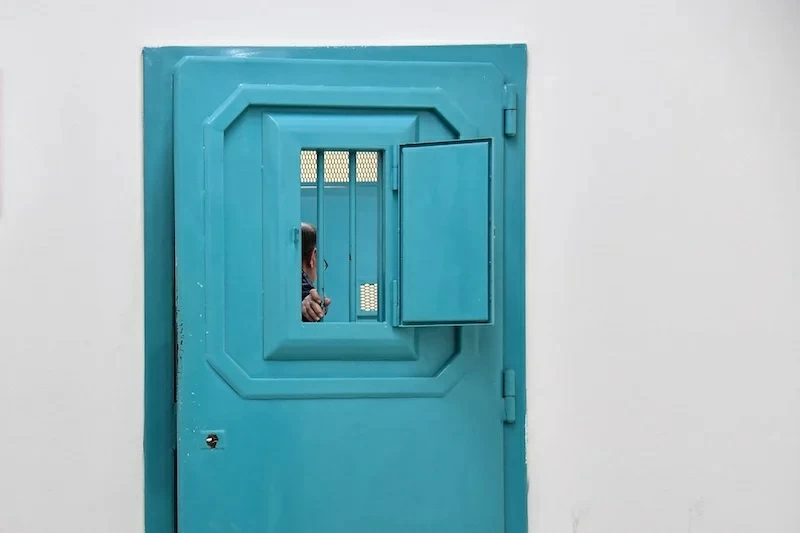
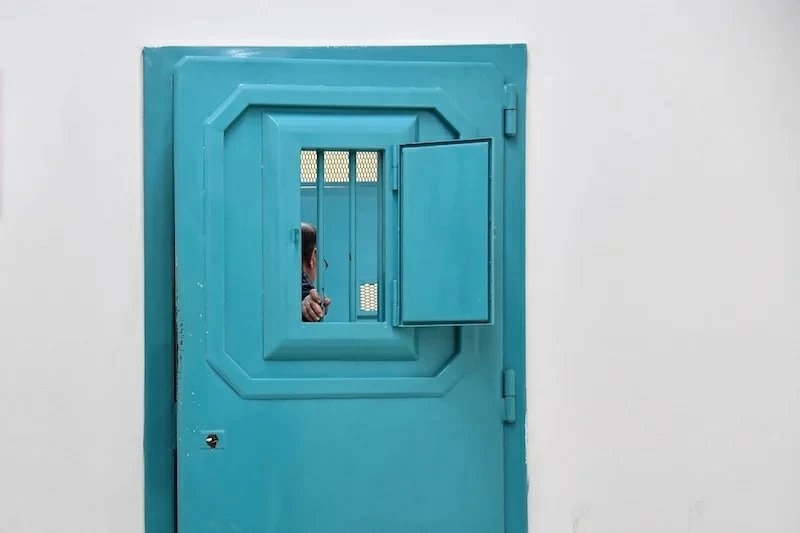
في حكم وصف بالزلزال داخل الأوساط الحقوقية والسياسية بمدينة مراكش، قضت المحكمة الابتدائية بإدانة رئيس الجمعية الوطنية للدفاع عن حقوق الإنسان وحماية المال العام عبدالإله طاطوش، بالحبس النافذ سنة ونصف السنة.
تهم ثقيلة تسقط الأقنعة
لم تكن العقوبة مجرد إجراء عادي، بل جاءت بعد متابعة دقيقة بتهم هزت صورة «الحقوقي»، شملت:
- النصب وغسل الأموال.
- التهديد بإفشاء أمور شائنة مقابل مبالغ مالية.
- الابتزاز والافتراء الكاذب.
كانت البداية من شكاية وضعها البرلماني طارق حنيش، اتهم فيها طاطوش بالتشهير ونشر معطيات كاذبة استهدفت سمعته. وطاطوش كان قد ادعى «تحويل عقار عمومي لمستشفى خاص»، لكن التحقيقات وشهادات الملكية أثبتت براءة المسؤول وكشفت زيف ادعاءات الجمعية التي كانت تستغل نفوذها للضغط والابتزاز.
إلى جانب السجن، أصدرت المحكمة أمراً غير مألوف يأذن لعدلين بالانتقال إلى السجن لتلقي وكالة من طاطوش بـ «فسخ عقد إيجار مقر الجمعية وبيع سيارتين»، وهو ما اعتبره متابعون «نهاية فعلية» لنشاط هذه الجمعية تحت قيادته، وتفكيكاً لمصادر تمويلها المشبوهة.
ويبعث هذا الحكم برسالة قوية بأن «الدرع الحقوقي» لا يحمي الفاسدين في المغرب، وأن استغلال شعارات «حماية المال العام» لابتزاز المسؤولين والتشهير بهم هو طريق قصير ينتهي خلف القضبان.
In a ruling described as an earthquake within legal and political circles in Marrakech, the primary court sentenced the president of the National Association for the Defense of Human Rights and the Protection of Public Funds, Abdelilah Tatouch, to one and a half years in prison.
Heavy Charges Unmasking Facades
The sentence was not just a routine measure, but came after a meticulous investigation into charges that shook the image of the “human rights advocate,” which included:
- Fraud and money laundering.
- Threatening to disclose scandalous matters in exchange for financial sums.
- Extortion and false defamation.
The beginning was a complaint filed by parliamentarian Tarek Hniche, who accused Tatouch of defamation and spreading false information targeting his reputation. Tatouch had claimed “the conversion of a public property into a private hospital,” but investigations and ownership testimonies proved the official’s innocence and revealed the falsehood of the association’s claims, which had exploited its influence to pressure and extort.
Alongside the prison sentence, the court issued an unusual order allowing two notaries to go to prison to receive a mandate from Tatouch to “terminate the lease contract of the association’s headquarters and sell two cars,” which observers considered the “actual end” of this association’s activities under his leadership, and a dismantling of its dubious funding sources.
This ruling sends a strong message that the “human rights shield” does not protect the corrupt in Morocco, and that exploiting the slogans of “protecting public funds” to extort and defame officials is a short path that ends behind bars.