

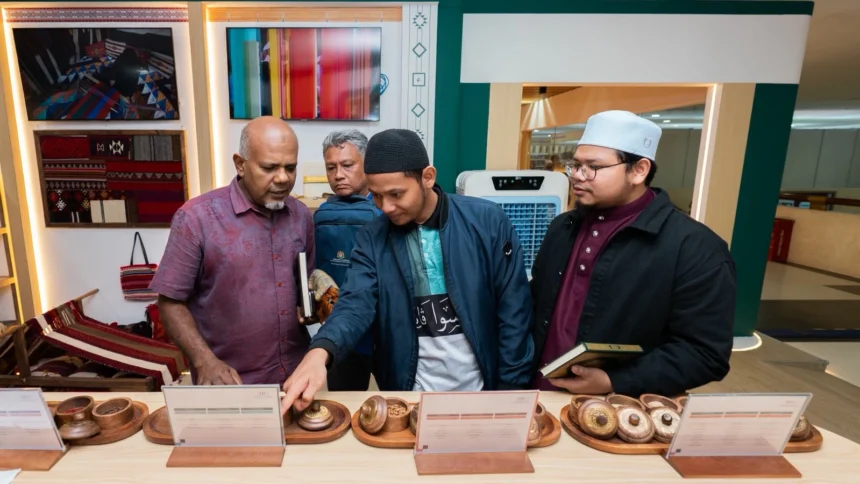
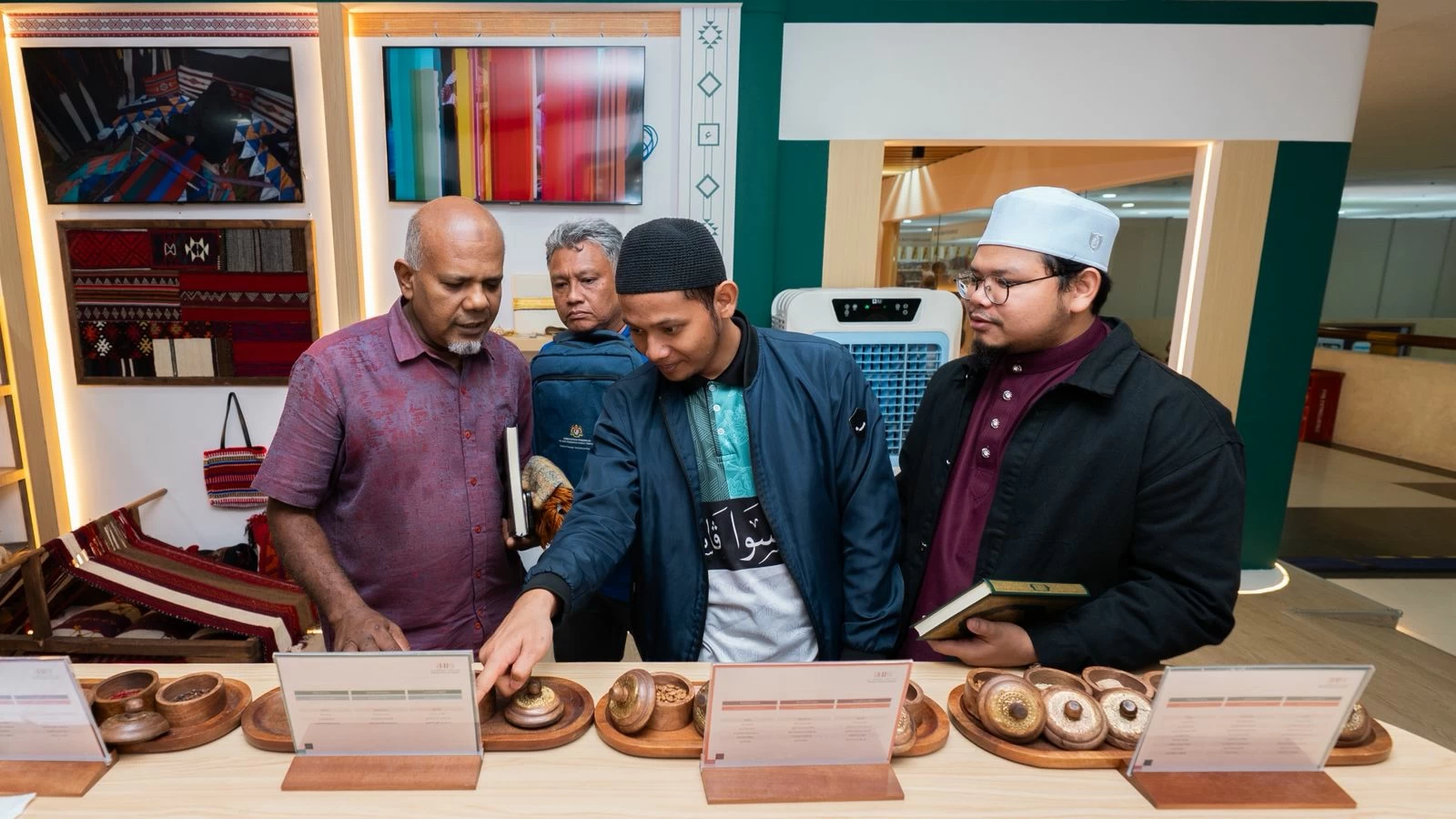
تسجل هيئة فنون الطهي حضوراً ثقافياً لافتاً ضمن جناح المملكة العربية السعودية المشارك في معرض كوالالمبور الدولي للكتاب 2026، مستعرضةً باقة متميزة من الإصدارات التي توثق الموروث الغذائي السعودي، وتبرز فنون الطهي المحلية كركيزة أساسية من ركائز الهوية الثقافية للمملكة.
وفي مقدمة هذه الإصدارات، يتألق كتاب «سفرة المائدة السعودية» المنبثق عن مبادرة «إرث مطبخنا»، الذي يختزل تقاليد الطهي العريقة عبر مناطق المملكة الـ13. يذكر أن هذا الكتاب قد تُوّج عام 2024 بجائزة «جورماند» العالمية المرموقة في فئتي «أفضل كتاب ضيافة» و«أفضل كتاب طبخ عربي».
كما يضم الجناح كتاب «بريدة» الذي يسلط الضوء على الإرث الغذائي والثقافي لمنطقة القصيم، وما تجود به بيئتها الزراعية وأسواقها التقليدية من أطباق شعبية فريدة. ويرصد الكتاب رحلة المدينة الاستثنائية نحو إدراجها كمدينة مبدعة في مجال فنون الطهي لدى منظمة «اليونسكو»، لتصبح بذلك أول مدينة خليجية وثاني مدينة عربية تنضم إلى هذه الشبكة العالمية العريقة.
وتهدف الهيئة من خلال هذه المشاركة الدولية إلى تعريف العالم بجهودها الدؤوبة في تدوين الوصفات السعودية التقليدية، وتمكين الطهاة والحرفيين المحليين، إضافة إلى صون هذا الموروث الغذائي الوطني بوصفه حجر زاوية في التراث الثقافي غير المادي للمملكة.
The Culinary Arts Authority marks a notable cultural presence within the Saudi Arabia pavilion participating in the 2026 Kuala Lumpur International Book Fair, showcasing a distinguished collection of publications that document the Saudi culinary heritage and highlight local cooking arts as a fundamental pillar of the cultural identity of the Kingdom.
At the forefront of these publications is the book “Saudi Table,” which emerges from the “Heritage of Our Kitchen” initiative, encapsulating the ancient cooking traditions across the Kingdom’s 13 regions. It is worth mentioning that this book was awarded the prestigious 2024 Gourmand World Cookbook Award in the categories of “Best Hospitality Book” and “Best Arabic Cookbook.”
The pavilion also features the book “Buraidah,” which sheds light on the culinary and cultural heritage of the Al-Qassim region, showcasing the unique traditional dishes that its agricultural environment and markets offer. The book chronicles the city’s exceptional journey towards being recognized as a creative city in the culinary arts by UNESCO, thus becoming the first Gulf city and the second Arab city to join this esteemed global network.
Through this international participation, the authority aims to introduce the world to its relentless efforts in documenting traditional Saudi recipes, empowering local chefs and artisans, in addition to preserving this national culinary heritage as a cornerstone of the Kingdom’s intangible cultural heritage.