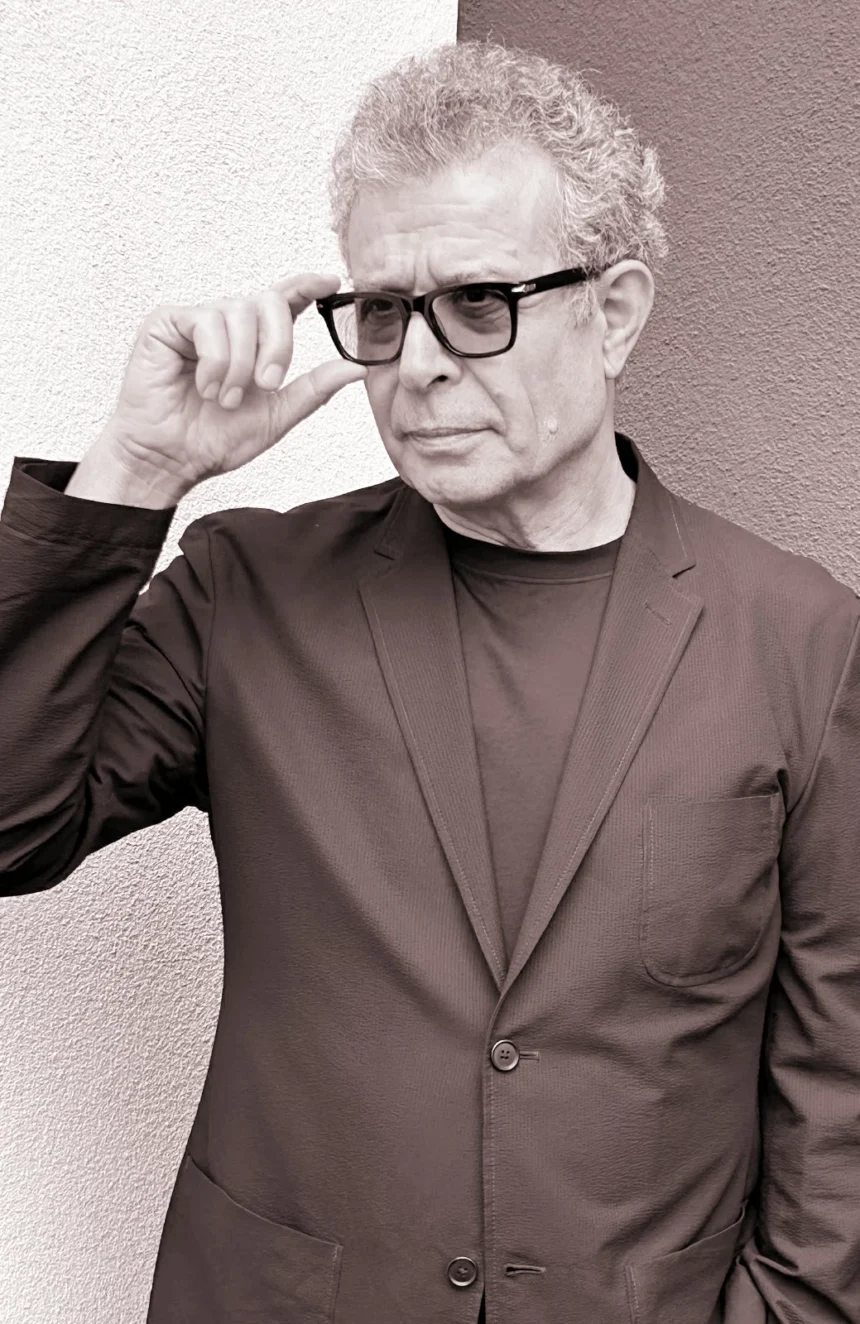
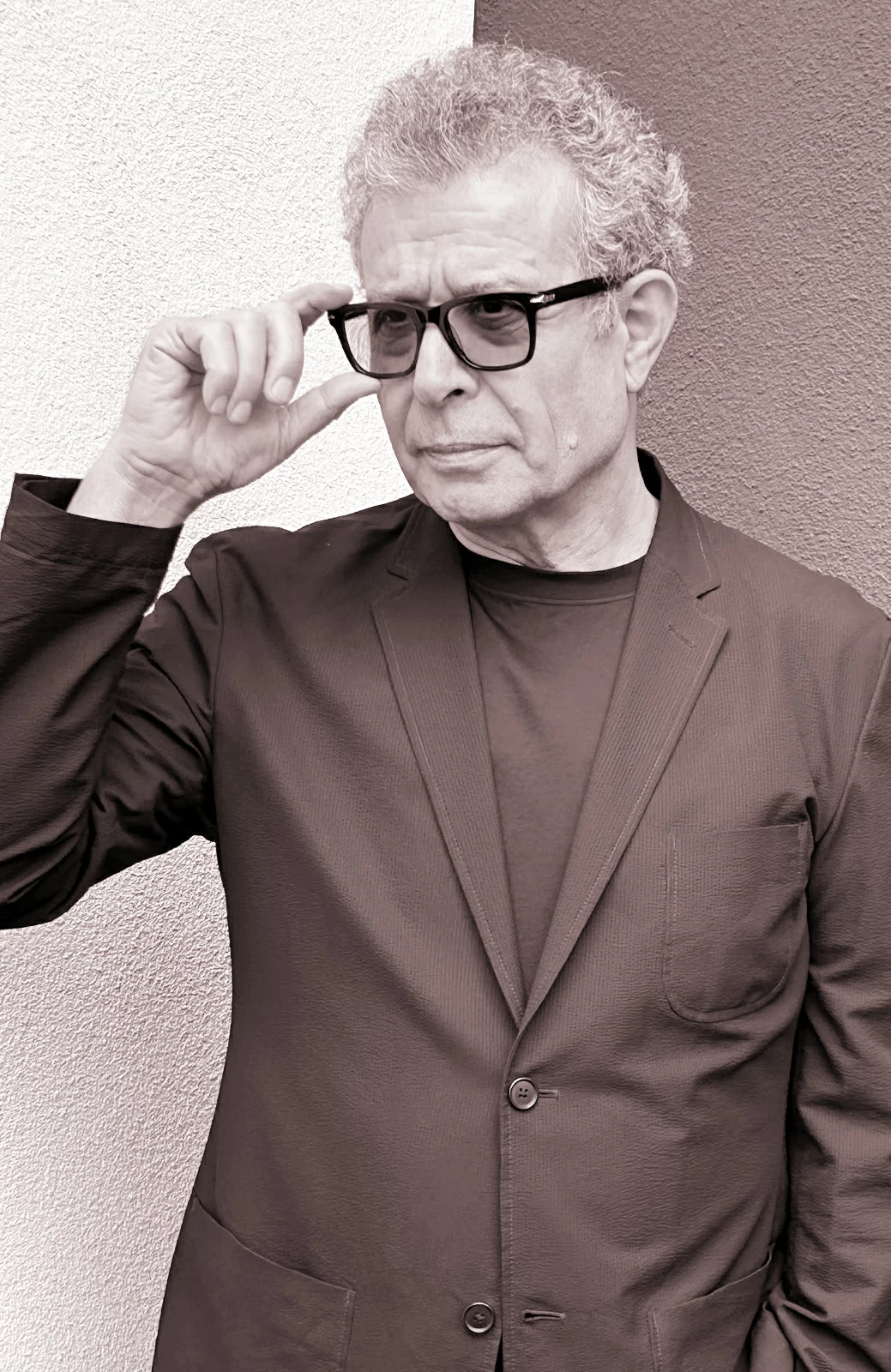
مرّ عامٌ وأكثر على أسئلة الحوار، التي ظلّت لدى ضيفنا الشاعر نوري الجراح، هو لم ينسَ، وأنا لم أيأس، وبالفعل من أيامٍ تذكّر واستبشرتُ، وكأنما بعثتُ أسئلتي البارحة، فالشاعر الراقي، عندما أكد أن إجاباته جاهزة؛ كأننا لم ننتظر طويلاً، ونحن نقفُ معه أمام تجربته الشعرية الأصيلة في منجزها ومرجعيتها؛ لنفتح مجدّداً فضاء حواريّاً حول القصيدة وشجونها.. فإلى نصه:
• لماذا الشِّعر، وهل كان بالإمكان أن تكون شيئاً آخر غير الشاعر؟
•• لمَ لا؟ ما دام البشر، بالغريزة والعقل، قادرين على خوض التجارب، وعلى التعلّم والاستكشاف والبحث والتكيّف والاختيار، وعلى التعامل مع العالم والأشياء بحيوية كبيرة. البشر موهوبون بالفطرة. والشعر أكثر من كونه محفلاً للمفطورين على موهبة، إنه فرصة جمالية، ممكنة لمن يجد في نفسه شغفاً وتعلقاً بالكلمات، بموسيقى الكلمات وإيقاعاتها وألوانها وظلالها، وما تبعثه في النفس. كان يمكن أن لا أكون في هذا الأفق، من الأول، لكن حدث أن كنت، وتوهمت أنني يمكن أن أكون فمضيت في هذا الطريق. كان يمكن أن أجد نفسي على ميل آخر. تاجراً، أو مهندساً، أو لصاً، أو طبيباً، أو سائق باص.
• أين تقف من وجهات النظر حول أهمية الشعر (ترف أم ضرورة)؟
•• الشعر للشاعر حياة وموت، وضرورة قصوى، ربما لا يكون كذلك لكل قارئ، ولا يكون كذلك لكل شاعر، ما دمنا التقينا بشعراء يعتبرون الشعر هواية يمارسونها، ككرة القدم للاعب الكرة، أو لعبة الورق، أو الطاولة لدى البعض تزجية للوقت، ودفعاً للضجر، أو رياضة الملاكمة أو المصارعة لمن يشعر بفائض القوة في جسمه، وبالتالي فهو لمثل هؤلاء ضرب من عراك مع طرف آخر. الشعر غريب عن كل هذا، هو فن فيه الكثير من المناورة وذكاء المواربة في التصريح والإخفاء، في الإفصاح والإضمار، ومن اللعب مع الكلمات، ولكنه في الوقت نفسه تعبير كياني عن كينونة جامحة، وطاقة متفلتة لا بد معها من معاركة الذات للقبض على الأشياء، وصوغها في عمل لا يمكن أن يصدر إلا عن منطقة قصوى من مغامرة المخيّلة، ومن تفلت الذات في الغوص على أعماقها بتلقائية وانضباط معاً. الشعر وفق هذا التصور قدر طاغٍ، لا يحتمل تبعاته إلا الأشقياء والمتهورون. قدر، أو قل سحراً لا شفاء منه.
• كيف تنظر للشعر؛ أهو طبع فطري، أم صناعة؟
•• لو كنت سأشاكس هذا السؤال لاكتفيت بأن أقول أجبتَ من حيث سألت. هو صناعة بالتأكيد، لكنها صناعة شخص ممسوس، يكتب الشاعر قصيدته في وقت لا يستطيع أن يحدده مسبقاً، ما من شاعر يستطيع أن يضرب موعداً مع الكلمات كما يفعل التاجر مع الصفقة، وهو إذ يخوض غمار القصيدة إنما يفعل على نحو لا يجدر أن يكون له سابق، فالشعر ابتكار، وكل ابتكار انقطاع عن سابق. ما من شعر ذي قيمة إذا لم يتدرب شاعره على التلقائية في الكتابة، ما لم تتحوّل التلقائية إلى ضرب من الفطرة، لكن ليس كل فطري أو فطرة بشعر، لذلك لم يقل نقاد الشعر العرب القدامى بأن الشعر فطرة، ولكنهم ابتدؤوا بتعريف الشعر بوصفه صنعة. وهي صنعة مركبة، اشترط الفلاسفة ونقاد الشعر القدامى، الإغريق منهم والعرب، أن تتوفر لصاحب هذه الصنعة ميزات لم يشترطوا توفرها بأهل الصنائع الأخرى، كالمخيلة، والتلقائية والعاطفة والوجدان، وغير ذلك مما لا يعوز سوى الشعراء. الشعر صناعة تشترك فيها بذكاء حاد الحواس والملكات والخبرات بسماتها الخاصة ومعها ثقافة الشاعر وتطلعاته.
• أيّ مدارس القصيدة لاحت لك مبكراً وتعلّقت بها؟
•• ديوان الشعر العربي من الثراء إلى درجة لا يمكن معها المفاضلة، كل مرحلة أو حقبة في تاريخ الشعر العربي تنطوي على ميزات وخصائص تشكّل في مجموعها التجربة الجمالية العربية. هل يمكننا المفاضلة بين شعراء ما قبل الإسلام الذين أبدعوا المعلقات وشعراء الأندلس، ثم هل يمكن أن نضع كل الشعر المكتوب ما قبل الإسلام في سلة واحدة؟ عندما نتذوق الشعر لا نفاضل وإنما نثري ذائقتنا بذلك التنوع في الإضافات التي قدّمتها لنا سمات وخصوصيات كل حقبة من حقب الشعر. ينسحب هذا بالضرورة على الشعر الحديث في تعدد أصواته واختلاف تياراته وحركاته، واتجاهاته. وكذا الحال بالنسبة إلى الشعر المترجم إلى العربية. طبعاً هناك بالضرورة ميول خاصة تبرز لدى القراء ولهم إيثاراتهم التي تتحكم في اختياراتهم. على أنني أتذوق مثلاً شعر الرثاء أكثر مما أتذوق شعر الهجاء، وهذا لا يعني أبداً أنني لا أقدّر الإبداعية العالية والابتكارية في الشعر بغض النظر عن ميولي الخاصة في تذوق فن الشعر.
• ماذا عن بداياتك الكتابية، ومن ساندها؟
•• مدين لكل من استمع إليّ في صباي من أصدقائي اليافعين، وأنا أتلو عليهم بحماسة المراهق ما كنت أظنه شعراً.. ممتن بعمق لكل من استمع إليّ وصدّق أنني يمكن أن أكون شاعراً… بداياتي المبكرة موجودة في بيت أهلي في دمشق، ولدى بعض الأصدقاء. لا بد أن أعود إليها يوماً لأعرف من أين أتيت.
• متى شعرت أنك امتلكت كل أدوات ومؤهلات الكتابة وماذا نشرتَ حينها؟
•• لا أظن أنني امتلكت يوماً مثل هذا الشعور على نحو مفرط، وأنا أقدم على نشر قصائدي، لطالما كنت شكّاكاً إزاء صنيعي الشعري، أعيد النظر مراراً في قصائدي، لا أستسلم لها، وعندما كان يغمرني الفرح بقصيدة جديدة، يظل هذا الفرح مشوباً بالحذر، وسأظل مديناً في ذلك لنزوع ما برح يلازمني نحو كمال ما في فن الشعر. فنحن لا نكتب في فراغ، هناك تاريخ عريق للقصيدة العربية يشكّل تحدياً للشعراء في كل زمن من أزمنته. أما عن النشر فقد بدأ كورطة مبكرة سنة 1974. عندما غافلني صديق وحمل إحدى قصائدي إلى الشاعر سليمان عواد الذي نشرها في مجلة ثقافية مستقلة كان يحررها في دمشق. وهو ما ألزمني مواصلة النشر، وإن على فترات متباعدة إلى مطلع الثمانينات، فتأكد لي تماماً أن لا خلاص من فكرة الشعر.
• هل اكتمل مشروعك الشعري، شأن شعراء مجايلين توقفوا عن الكتابة؟
•• بالتأكيد لا. لا يكتمل مشروع شاعر إلا بمغادرته العالم. أما أن يكتمل مشروع وتنضب مخيلة صاحبه، ولا يتوقف الشاعر عن الكتابة فهنا المصيبة. الكتابة إذ ذاك تتحوّل إلى محو، كل سطر في القصيدة يمحو سطراً سبقه. إذ ذاك أيضاً يكون موت الشاعر. وللأسف، عربياً، مات شعراء قبل أن يموتوا، واختفى ذكر شعراء ملؤوا الدنيا وشغلوا الناس مجرد أن ارتحلوا عن عالمنا. هل كان ذلك مستحقاً، أم أنها قسوة الذاكرة الجماعية؟ ولأعد إلى السؤال، لست آنس في منجزي ما يجعلني مستقراً، القلق الجمالي والفكري هو محرك حياتي، ما أن أشعر بضيق المقام في حيّز أو جهة أو أمر إلا أجدني على أهبة المغادرة.. لست صاحب تجارة لأكون قعيداً بباب حانوت في السوق. أشعر، باستمرار، أنني ما زلت قادراً على التمرد على طرائقي في الكتابة. قصيدتي لا تطيق قضبان السجن.
• ما الذي تشعر اليوم أنك لم تكتبه، وتودّ كتابته؟
•• مرات أشعر أن ما كتبته حتى الآن إن هو إلا تمارين على الكتابة. كتابة القصيدة مغامرة غير مسبوقة يخوضها الشاعر مع اللغة، وتخوضها المخيلة، لذلك نحن لا نتبين ملامحها إلى أن ننجز القصيدة. إذن هل يمكنني أن أتبين، منذ الآن، ما أريد وما لا أريد من الشعر غداً؟ هل أستطيع أن أقرر بثقة مفرطة أن ما كتبته إلى الآن هو ما كنت أريد أن أكتب؟ المهندس يستطيع من على طاولة مكتب أن يصمّم مدينة بأكملها، أما مدينة الشعر فهي لا تولد إلا في أحلام اليقظة. وأحياناً في طبقة لا مرئية من طبقات النوم، تزور الشعراء كائنات الشعر وتمسسه لينهض إلى عمله مع اللغة، ليمكنه أن يهدي العالم قصيدته الجديدة. الرؤى والخيالات والحواس العميقة هي المسألة في الشعر، هي الحكاية التي لا تفسر، أما الموضوعات فهي شأن بسيط.. وهذا يحملني أخيراً على الاعتقاد بأن ما من شاعر كتب كل ما يحلم أو يتطلع إلى كتابته. عندما لا تكون هناك خطة مسبقة، لا تكون هناك آثار نهائية، الشعر مغامرة مفتوحة، الحكم على مستقبلها متروك للأزمنة والذائقات.
• متى يمثّل ظهور شاعر كبير في بلد ما عبئاً على بقيّة الشعراء؟
•• ما من شاعر يمكن أن يصبح عبئاً على غيره من الشعراء إلا في حالة واحدة، أن يكون هذا الشاعر أصاب لاعتبارات شعرية وغير شعرية معاً شهرة تجاوزت شهرة أترابه ومجايليه، وتحول شعره بفضل شهرته إلى نموذج طاغٍ أو جذاب. والكارثة تحلُّ، عندما يمسي هذا الشاعر جشعاً ومتسلطاً وصاحب شهوة في الحضور بأي ثمن، وعلى نحو لا شفاء منه، مقابل شعور متفاقم بالتبعية والضآلة والانسحاق؛ مصحوباً بالضغينة والعدوانية والنفاق عند شعراء مجايلين له أو لاحقين عليه، إذ ذاك يتحوّل هذا الشاعر إلى صنم، البعض يحلم بتكسيره، والبعض الآخر يتمنى اختفاءه (قتل الأب). فالأب هنا في نظر البعض هو أب مغتصب وأحياناً أب لا يكتفي بأن يسد بقامته باب المستقبل، ولكن يفصح مزاجه النفسي وسلوكه عن استعداد لـ«قتل الابن»، وتصبح المسألة فاضحة عندما يحيط هذا الأب الشعري نفسه بأبناء ممسوسين به ومشوهين! لا يمكن لمثل هذا النموذج أن يسود إلا في ثقافة تفشت فيها قيم التسلط وساد فيها ضرب فاسد من العلاقات، بحيث يمكن لمجتمع الشعراء أن يقبل الشاعر بعيداً عن صورته الكونية المتحررة من شبكة العلاقات السلطوية، وبذلك يمكن للشعراء المريدين الاحتفاء بالشاعر الأب/النموذج بوصفه مختاراً، وحامل أختام السلطة في تزكية الشعراء.
• بماذا تصف المشهد الشعري العربي؟
•• المشهد الشعري العربي مشهدان: قصائد مبتكرة وأصوات شعرية قديرة في حيّز ضيق، وقصيدة واحدة تكتبها مئات الأسماء في حيز آخر لا يشعر بالضيق.
• ما انطباعك عن مسابقات الشعراء في القنوات؟
•• شيء طريف له علاقة بالترويج لفكرة الشعر بوصفه نظماً يقيم في التقليد والصيغ المستهلكة، بعيداً عن روح الابتكار، ولا تبدو هذه البرامج الاستهلاكية معنية بما أنجزته المدونة الشعرية العربية الحديثة، عبر قرن مضى من ثورة الشعر في العصرالحديث، أرى فيها ترويجاً لتقليد لغَويٍ مزمن يقوم على نزوع فحولي في غزوات الصوت للأذن، وهو تقليد نكوصي سار خارج أي ارتباط للشعر بالزمن، والتطور.
• هناك من يرى أن القصيدة الحديثة لا تزال دون المأمول، ما السبب لو كنت مع هذا الرأي؟
•• غير صحيح، الشعر العربي الحديث عرف خلال الـ100 عام الأخيرة تطوراً مذهلاً في لغته وأدواته ونبرته وتطلعاته. أما أن يكون المأمول شيئاً مختلفاً نسبة إلى تطلب صادر عن تخلف النظرة العربية إلى الشعر فهذا شيء آخر يحتاج نقده وتفكيكه إلى بحث مطول.
• هل الثقافة العربية بخير؟
•• ما رأيك أنت؟
• ما سر النجاح الذي حققته بعض المجلات العربية الصادرة في الخارج؟
•• السرّ ربما يكمن في قدرتها النسبية على الإفلات من الصيغ الفظة للرقابة.
• ماذا تعني لك الجوائز؟
•• إذا كنت تقصد بسؤالك الجوائز التي تتمتع بسمعة طيبة لجهة نزاهة القائمين عليها فهي بالتأكيد فرصة جيدة للكاتب.
• أي توجّه ترسم له في قابل الأيام؟ وماذا عن الحنين للوطن؟
•• حنيني إلى دمشق أودعته في قصائدي. عقب كل تلك السنوات وكل ذلك الفقد لم يعد الوطن بالنسبة لي مجرد حفنة تراب. أما وقد بت ساكن الكوكب وقصيدتي بيتي، فقد تحوّلت دمشق إلى فكرة وبات البعد والقرب واحداً، كما ذهب الأجداد.
• أوليس هناك أمل في التواصل والحوار بين السوريين بصدد مستقبل التعاقد الاجتماعي في ما بينهم، على اختلاف ألوانهم واعتقاداتهم وانتماءاتهم الفكرية؟
•• لا يمكن أن نخدع أنفسنا بفكرة الأمل في مستقبل مختلف للسوريين، من دون عمل حقيقي ومبدع على أرض الحاضر. فنهاية حكم الطاغية لا تعني أبداً أن المهمة انتهت، وأن المحرومين من الحقوق والحريات والحياة الطبيعية اللائقة بالبشر نالوا أمنياتهم. المسألة ليست في إعمار المباني التي دمّرت، وإصلاح البنى التحتية، والاقتصاد والقضاء الذي يفصل بين السوريين، وحسب، فثمة خراب كبير كشفته بجلاء الشهور الأولى التي أعقبت نهاية حكم الأسد، ولا بد من وضع اليد أولاً على هذا الخراب، إنها تلك الشروخ العميقة المصموت عنها في زمن القمع، شروخ في الشخصية تسبّبت بها جروح وآلام ظاهرة وأخرى دفينة، بفعل عقود القمع والطغيان والحرمان والتمييز. ولو ضربنا صفحاً عن السلوك الانتهازي الجماعي السوري (وكان سلوكاً يومياً من باب حفظ النوع)، وتركنا أمر قراءته لسياق آخر، فإن واحدة من الأمراض الكبرى التي تضرب الشخصية السورية على اختلاف أنماطها ومرجعياتها، تتمثل، في أسوأ تجلياتها، في «حوار الطرشان» كما يتجلى ذلك على صفحات التواصل الاجتماعي، فالأنا الجريحة تارة تظهر في انغلاقها المريع على ذاتها الجريحة، وتارة أخرى مندغمة وضائعة في قطيعية لا تقبل للأنا المفردة أن تكون لها تصوراتها المستقلة (من أنت حتى تفهم أكثر من الجميع؟) ولكن من هم الجميع: إنها الجماعة التي انساقت قطيعياً مع الفكرة الغالبة، التيار الجارف للسلطة. لا مكان للاعتراض في عرف الأنا القطيعية، فالاعتراض خروج على الجماعة، وبالتالي لا رأي مستقلاً، ولا مكان للآخر في اعتبارات الأنا القطيعية واعتقاداتها، وتطلعاتها، التي لم تصغها أو تبلورها بنفسها، ولكنها انساقت إليها. والبائس في المسألة أن هذه الأنا تجد نفسها بفعل عظمة القطيع كاملة مكتملة ومكتفية بكمالها المفترض، فهي أنا عارفة، أنا حازت على المعرفة في كل شيء، ما دامت جزءاً من تعاظم القطيع.. وهي تستطيع أن تفتي في كل شيء. وليس بها حاجة بالتالي إلى أنا تميّز نفسها كآخر تحاوره وتمتحن اختلافها باختلافه، وتغتني به. والأنا القطيعية صماء فرأسها يضج بالشعارات والمسلمات التي ينتجها الشعار، ولا وقت لديها للتفكير، وهي في أفضل حالات التواصل معها تظنها تستمع إلى ما يصدر عن آخر لكن كلماته لا تصل إلى وعيها إلا أصواتاً مبهمة. سأردد مع من ردد قبلي وربما من سيردد من بعدي من الشعراء والكتاب المنفيين: «كنت أعرف أهلي، كنت أعرفهم، من عيونهم الفائضة بالحب، بالحنان والطيبة التي طالما ميّزت لهفتهم نحو الآخر. أما الآن فأنا لا أرى ما كنت أرى. لم يعد لعيونهم ذلك البريق الخلاب، سرقت عقود الطغيان سحناتهم الجميلة، وقتلت مع من قتلت من أبنائهم أجمل ما فيهم، وأكاد أقول إنها تركتهم حطاماً. لم أعد أعرفهم، لم أعد أعرف من تركت قبل نصف قرن وحملت معي خصالهم الجميلة. لقد تغيّرت طباعهم، وتغيّرت أمزجتهم. لم يعد فيهم ذلك الحنان، وتلك الطيبة والغيرية التي طبعت نفوسهم. باتوا قساة مستريبين ببعضهم البعض، وغير قادرين على الحب الذي طالما كانوا أهله».
• ما تفسيرك لهذا الإقبال اللافت الذي يلقاه شعرك من قبل المترجمين الأوروبين خصوصاً، وما مدى رضاك عن ترجمة أشعارك؟
•• مرّتْ ترجمة أشعاري إلى لغات أخرى بمراحل عدة؛ تميّزت الأخيرة منها بحرفية عالية، ومن قبل دور نشر كبرى كدار «أكت/سود في فرنسا، وموندادوري في إيطاليا». الأسبقية كانت للترجمات الفرنسية، وهي، على الأرجح، التي نبهت مترجمين من لغات أخرى إلى شعري، وفتحت الباب لأعمالي لتترجم وتنشر بأكثر من لغة. والواقع أن مراجعات نقدية مميّزة لعبت دورها في ذلك، عندما لم تكتفِ بالترحيب بالترجمة، بل ونفذت إلى جوهر الشعر، وخصوصياته من خلال وقوفها النقدي على ما تحمله القصيدة من مقترحات جمالية ورسائل فكرية رأت هذه القراءات أنها جديرة بالاهتمام، وذلك، على الأرجح، انطلاقاً من انفتاح قصيدتي المكتوبة بالعربية على مصادر ثقافية متعددة وإرث من التجارب الحضارية للضفة الشرقية للمتوسط، من منظور يتجاوز التقوقع القومي للغة العربية، إلى إرث (هيلنستي) مهمل ومتروك، رغم أنه إرث ترك أثره المبكر على الثقافة العربية، منذ مطلع العصر الأموي، خصوصاً في العصر العباسي، مع ازدهار حركة الترجمة عن السريانية واليونانية، ونسج نفسه في نصوص أدبية نثرية كبرى في الفلسفة والمنطق والحكمة والسياسة، والرسائل والتأريخ، وتدبير شؤون الحكم، وحتى في الشعر. يمكن تلمس بعض آثار هذا التفاعل في استشهادات المؤلفين العرب القدامى؛ قصيدتي كسرت الحواجز الزمنية والجغرافية، مرتين، مرة في ما نهلته من الإرث الهيلينيستي في سورية وشرق المتوسط، وأخرى في انفتاحها على الشعريات الأخرى، انطلاقاً من فرصة الإقامة في الغرب. وفي الخلاصة، أشعر أنني مدين للظروف التي مكنتني من ذلك، رغم ألم العيش بعيداً عن مسقط الرأس.
• بحكم إقامتك في بريطانيا لأربعة عقود، ما الذي يمكن أن تلفت نظر الشعراء العرب إليه، خصوصاً الذين بدؤوا كتابة الشعر مع الألفية الثانية؟
•• سأجيب عن هذا السؤال بشرط أن لا يطالبني السؤال بإجابة تصورني حكيماً، فالشاعر آخر شخص يمكن أن يقدّم نصحاً. أظن أنه آن الأوان لأن يضجر الشاعر العربي من تلك الموضوعات والصياغات والتراكيب المفعمة بالثقة، واليقين الجمالي، والتي استهلكتها قصيدة النثر العربية، وورثها شعراء الألفية الجديدة عن الشعراء الذين برزوا في الربع الأخير من القرن العشرين. ولأعد إلى الوراء قليلاً، لأقول إنني أخشى أن تجارب شعرية عربية كنا نعتد بريادتها، وأخرى تناكفت معها وتجاوزتها بإبداعاتها الجديدة الفاتنة، وطبعت القصيدة العربية على مدار العقود الثلاثة المنصرمة بأسئلتها القلقة وتطلعات شاعرها نحو شيء جديد، مبتكر ومختلف عن كل ما سبق في الشعر، قد ترهلت ووصلت أخيراً إلى طرق مسدودة. فجيل الريادة الثالثة للقصيدة العربية تحولت «قصيدته» لدى الشعراء اللاحقين عليه إلى نموذج. باتت القصيدة قالباً أشبه بعمود لا مرئي، نظير العمود الذي تمرد عليه السياب والملائكة والبياتي. فـ«الفورم» الذي جلبته «قصيدة التفعيلة» المسماة ظلماً بالحرة، والذي تمرد عليه الشعراء الذين أطلقوا على قصيدتهم اسم «قصيدة النثر» ظلماً أيضاً، وصولاً إلى الثورة الثالثة التي جدد شعراؤها شباب القصيدة، عندما قدموا اقتراحات جمالية جديدة أتاحت سبلاً مختلفة لإبداع القصيدة أكثر حرية وقدرة على المغامرة مع اللغة من ذي قبل، فإذا بالشعراء اللاحقين، الذين شغفوا بهذا الجديد، يأنسون إلى هذا المنجز، وبدلاً من الخروج عليه إلى جديد جمالي أجدّ أخذوا يكتفون به. والنتيجة أن هذه الطبعة الأخيرة من «قصيدة النثر» وصلت إلى حال من الركود الجمالي والتعبيري، والبنائي تحولت معه إلى نموذج وله قالب، الكثرة تستعمل القالب، ليس فقط في ما يتعلق ببنية القصيدة وهندستها، ولكن حتى في النبرة والموضوعات والمنظور، بل والقاموس اللغوي. والندرة تتجنبه. لا بدَّ، إذن، من كَسْرِ القالب، بتجاوز فكرة النموذج، ويكون للشاعر قاموسه اللغوي ومن خلاله يصوغ علاقته باللغة، وموضوعاته ومواقفه وتطلعاته الشعرية التي تحمل بصمته الشخصية المائزة.
It has been over a year since the dialogue questions were posed to our guest, poet Nouri Al-Jarrah. He has not forgotten, and I have not lost hope. Indeed, I remembered some days and felt joy, as if I had sent my questions yesterday. The esteemed poet confirmed that his answers are ready; it seems we did not wait long, as we stand with him before his authentic poetic experience in its achievements and references, to once again open a dialogical space around poetry and its concerns. So, here is his text:
• Why poetry, and could you have been something other than a poet?
•• Why not? As long as humans, by instinct and reason, are capable of experiencing, learning, exploring, searching, adapting, and choosing, and of engaging with the world and things with great vitality. Humans are inherently gifted. Poetry is more than just a gathering for those endowed with talent; it is an aesthetic opportunity for anyone who finds in themselves a passion and attachment to words, to the music of words, their rhythms, colors, shadows, and what they evoke in the soul. I could have been elsewhere from the start, but it happened that I was, and I imagined that I could be, so I pursued this path. I could have found myself in another direction: as a merchant, an engineer, a thief, a doctor, or a bus driver.
• Where do you stand on the perspectives regarding the importance of poetry (luxury or necessity)?
•• Poetry is life and death for the poet, an utmost necessity. Perhaps it is not so for every reader, nor for every poet. We have met poets who consider poetry a hobby they practice, like football for a player, or card games, or backgammon for some, as a way to pass the time and fend off boredom, or boxing or wrestling for those who feel an excess of strength in their bodies. Thus, for such people, it is a kind of struggle with another party. Poetry is alien to all this; it is an art rich in maneuvering and the intelligence of evasion in stating and concealing, in revealing and implying, and in playing with words. Yet, at the same time, it is an existential expression of a wild being, an unrestrained energy that necessitates a confrontation with the self to grasp things and shape them into a work that can only emerge from an extreme zone of imaginative adventure, and from the self’s release in diving into its depths with spontaneity and discipline together. Poetry, according to this conception, is a dominant fate that only the wretched and reckless can bear. A fate, or let’s say a magic, from which there is no cure.
• How do you view poetry; is it an innate disposition or a craft?
•• If I were to challenge this question, I would suffice to say you answered it where you asked. It is certainly a craft, but it is the craft of a possessed person. The poet writes their poem at a time they cannot determine in advance; no poet can schedule an appointment with words as a merchant does with a deal. When they plunge into the depths of the poem, they do so in a manner that should not have a precedent. Poetry is innovation, and every innovation is a break from the previous. There is no valuable poetry if its poet does not train themselves in spontaneity in writing, unless spontaneity transforms into a kind of instinct. However, not everything instinctual or innate is poetry. That is why ancient Arab critics did not say that poetry is instinct; rather, they began by defining poetry as a craft. It is a complex craft, which philosophers and ancient critics of poetry, both Greek and Arab, stipulated that the owner of this craft must possess traits that they did not require from those in other crafts, such as imagination, spontaneity, emotion, and sentiment, among others that are exclusive to poets. Poetry is a craft that involves sharp senses, faculties, and experiences with their unique characteristics, along with the poet’s culture and aspirations.
• Which schools of poetry caught your attention early on and you became attached to?
•• The Arabic poetry canon is so rich that it cannot be compared; each stage or era in the history of Arabic poetry encompasses features and characteristics that collectively form the Arab aesthetic experience. Can we compare the poets of pre-Islam who created the Mu’allaqat with the poets of Andalusia? Can we place all poetry written before Islam in one basket? When we savor poetry, we do not compare; rather, we enrich our taste with the diversity of contributions that the characteristics and peculiarities of each era of poetry have offered us. This necessarily applies to modern poetry with its multitude of voices and differing currents and movements. The same goes for poetry translated into Arabic. Of course, there are specific inclinations that emerge among readers, and their preferences dictate their choices. For instance, I find myself savoring elegiac poetry more than satirical poetry, but that does not mean I do not appreciate high creativity and innovation in poetry, regardless of my personal inclinations in savoring the art of poetry.
• What about your early writing beginnings, and who supported them?
•• I owe a debt to everyone who listened to me in my youth, to my young friends, as I recited to them with the enthusiasm of a teenager what I thought was poetry. I am deeply grateful to everyone who listened to me and believed that I could be a poet… My early beginnings exist in my family’s home in Damascus and with some friends. I must return to them one day to know where I came from.
• When did you feel that you possessed all the tools and qualifications for writing, and what did you publish then?
•• I do not think I ever had such an excessive feeling as I approached publishing my poems. I have always been skeptical about my poetic creations; I revisit my poems repeatedly, I do not surrender to them, and when joy overwhelms me with a new poem, that joy remains tinged with caution. I will always owe that to a tendency that has persistently accompanied me towards achieving some perfection in the art of poetry. For we do not write in a vacuum; there is a rich history of Arabic poetry that poses a challenge to poets in every era. As for publishing, it began with an early publication in 1974 when a friend stealthily took one of my poems to the poet Suleiman Awad, who published it in a cultural magazine he edited in Damascus. This made me feel obliged to continue publishing, albeit at intervals until the early eighties, and it became clear to me that there is no escape from the idea of poetry.
• Has your poetic project been completed, like those poets of your generation who stopped writing?
•• Certainly not. A poet’s project is not complete until they leave the world. As for a project being complete and the poet’s imagination running dry, and the poet not stopping writing, that is the catastrophe. Writing then turns into erasure; every line in the poem erases a previous line. At that point, the poet’s death occurs. Unfortunately, Arab poets have died before they actually died, and the names of poets who filled the world and occupied people’s minds vanished the moment they departed from our world. Was that deserved, or is it the cruelty of collective memory? To return to the question, I do not find in my work anything that makes me feel settled; aesthetic and intellectual anxiety is the driving force of my life. Whenever I feel confined in a space or direction or matter, I find myself ready to depart… I am not a merchant to be seated at the door of a shop in the market. I constantly feel that I am still capable of rebelling against my ways of writing. My poetry cannot endure the bars of prison.
• What do you feel today that you have not written and wish to write?
•• Sometimes I feel that what I have written so far is nothing but exercises in writing. Writing a poem is an unprecedented adventure that the poet undertakes with language, and the imagination engages in it. Therefore, we do not discern its features until we complete the poem. So, can I discern, from now on, what I want and what I do not want from poetry tomorrow? Can I confidently decide that what I have written so far is what I wanted to write? An engineer can design an entire city from a desk, but the city of poetry is born only in daydreams. Sometimes in an invisible layer of sleep, poetic beings visit poets and touch them to rise to their work with language, so they can gift the world their new poem. Visions, imaginations, and deep senses are the matter in poetry; they are the story that cannot be explained, while the subjects are a simple matter. This finally leads me to believe that no poet has written everything they dream of or aspire to write. When there is no prior plan, there are no final traces; poetry is an open adventure, and the judgment on its future is left to the ages and tastes.
• When does the emergence of a great poet in a country become a burden on the rest of the poets?
•• No poet can become a burden on other poets except in one case: if this poet has achieved, for poetic and non-poetic reasons, a fame that surpasses that of their peers and contemporaries, and their poetry, thanks to their fame, becomes a dominant or attractive model. The catastrophe occurs when this poet becomes greedy, domineering, and has a desire to be present at any cost, in a way that is incurable, alongside a growing feeling of subordination, insignificance, and oppression; accompanied by resentment, hostility, and hypocrisy among contemporaneous or later poets. At that point, this poet turns into an idol; some dream of breaking it, while others wish for its disappearance (the killing of the father). For the father here, in the eyes of some, is a usurping father, and sometimes a father who does not suffice with blocking the door to the future with his stature, but whose psychological mood and behavior reveal a readiness to “kill the son.” The matter becomes blatant when this poetic father surrounds himself with children possessed by him and distorted! Such a model can only prevail in a culture where values of domination have spread and a corrupt kind of relationships has prevailed, so that a community of poets can accept the poet far from their universal image liberated from the web of authoritarian relationships. Thus, aspiring poets can celebrate the poetic father/model as a chosen one, and the bearer of the seals of authority in endorsing poets.
• How would you describe the Arab poetic scene?
•• The Arab poetic scene is twofold: innovative poems and capable poetic voices in a narrow space, and a single poem written by hundreds of names in another space that does not feel constricted.
• What is your impression of poetry competitions on channels?
•• It is a curious thing related to promoting the idea of poetry as a form that resides in tradition and exhausted formulas, far from the spirit of innovation. These consumer programs do not seem concerned with what the modern Arabic poetic canon has achieved over the past century of the revolution of poetry in the modern era. I see them as promoting a chronic linguistic tradition that is based on a masculine inclination in the conquests of sound for the ear, and it is a regressive tradition that has moved outside any connection of poetry with time and development.
• Some see that modern poetry is still below expectations; what is the reason if you agree with this view?
•• That is not true; modern Arabic poetry has witnessed an astonishing development in its language, tools, tone, and aspirations over the last 100 years. However, if what is expected is something different relative to a demand arising from the backward perspective of Arabs towards poetry, that is another matter that requires a lengthy critique and deconstruction.
• Is Arab culture in good shape?
•• What do you think?
• What is the secret behind the success of some Arab magazines published abroad?
•• The secret perhaps lies in their relative ability to escape the crude forms of censorship.
• What do awards mean to you?
•• If you mean by your question the awards that enjoy a good reputation regarding the integrity of those in charge of them, they are certainly a good opportunity for the writer.
• What direction do you envision for the coming days? And what about the nostalgia for the homeland?
•• I have embedded my nostalgia for Damascus in my poems. After all those years and all that loss, the homeland is no longer just a handful of soil for me. Now that I have become a resident of the planet and my poem is my home, Damascus has turned into an idea, and distance and proximity have become one, as our ancestors have gone.
• Is there not hope for communication and dialogue among Syrians regarding the future of social contracts among them, despite their different colors, beliefs, and intellectual affiliations?
•• We cannot deceive ourselves with the idea of hope for a different future for Syrians without real and creative work in the present. The end of the tyrant’s rule does not mean that the mission is over, and that those deprived of rights, freedoms, and a decent life have achieved their wishes. The issue is not just about rebuilding the destroyed buildings, repairing the infrastructure, and the economy and judiciary that separate Syrians. There is a significant devastation revealed clearly in the early months following the end of Assad’s rule, and we must first address this devastation. It is those deep fissures that were silenced during the era of repression, fissures in the personality caused by visible and hidden wounds and pains, due to decades of oppression, tyranny, deprivation, and discrimination. If we were to overlook the collective opportunistic behavior of Syrians (which was a daily behavior for the sake of preserving the species) and leave its reading to another context, one of the major diseases afflicting the Syrian personality, regardless of its patterns and references, manifests, in its worst manifestations, in the “dialogue of the deaf,” as it appears on social media. The wounded ego sometimes appears in its horrific closure on its wounded self, and at other times it is merged and lost in a herd mentality that does not allow the individual ego to have its independent perceptions (Who are you to understand more than everyone?). But who is everyone? It is the group that has followed the dominant idea, the sweeping current of power. There is no place for dissent in the understanding of the herd ego; dissent is an exit from the group, and thus there is no independent opinion, and no place for the other in the considerations of the herd ego and its beliefs and aspirations, which it did not formulate or crystallize itself, but rather followed. The tragic part of the matter is that this ego finds itself, due to the greatness of the herd, complete and self-sufficient in its supposed perfection. It is an all-knowing ego, an ego that has acquired knowledge in everything, as long as it is part of the herd’s greatness… and it can issue fatwas on everything. Therefore, it does not need an ego to distinguish itself as another to converse with and test its difference through its difference, and enrich itself with it. The herd ego is deaf; its head is buzzing with slogans and dogmas produced by the slogan, and it has no time to think. In its best moments of communication with it, it thinks it is listening to what comes from the other, but the words do not reach its consciousness except as vague sounds. I will echo what those before me and perhaps those after me among exiled poets and writers have echoed: “I used to know my people; I used to know them, by their eyes overflowing with love, tenderness, and kindness that always distinguished their longing for the other. But now I do not see what I used to see. Their eyes no longer have that enchanting sparkle; decades of tyranny have stolen their beautiful features and killed, along with those they killed, the best in them. I can almost say it has left them as wreckage. I no longer know them; I no longer know those I left half a century ago and carried with me their beautiful traits. Their temperaments have changed, and their moods have changed. They no longer have that tenderness, that kindness, and that altruism that once characterized their souls. They have become harsh, suspicious of each other, and unable to love, which they have always been its people.”
• What is your interpretation of the remarkable interest your poetry receives from European translators, especially, and how satisfied are you with the translation of your poems?
•• The translation of my poems into other languages has gone through several stages; the most recent of which has been characterized by high professionalism, and by major publishing houses like Actes Sud in France and Mondadori in Italy. The priority was for the French translations, which, most likely, alerted translators from other languages to my poetry and opened the door for my works to be translated and published in multiple languages. In fact, distinguished critical reviews played their role in this, as they did not merely welcome the translation but delved into the essence of the poetry and its peculiarities by critically engaging with the aesthetic proposals and intellectual messages that these readings found worthy of attention. This, most likely, stems from the openness of my poetry written in Arabic to multiple cultural sources and a legacy of civilizational experiences from the eastern Mediterranean, from a perspective that transcends the national confinement of the Arabic language to a neglected and abandoned Hellenistic legacy, despite the fact that this legacy left its early mark on Arabic culture since the beginning of the Umayyad era, especially during the Abbasid era, with the flourishing of the translation movement from Syriac and Greek, weaving itself into major prose literary texts in philosophy, logic, wisdom, politics, letters, history, and governance, and even in poetry. Some traces of this interaction can be felt in the citations of ancient Arab authors; my poetry has broken temporal and geographical barriers twice: once in what it drew from the Hellenistic legacy in Syria and the eastern Mediterranean, and again in its openness to other poetics, stemming from the opportunity of residing in the West. In conclusion, I feel indebted to the circumstances that enabled me to do so, despite the pain of living far from my birthplace.
• Given your residence in Britain for four decades, what can you draw the attention of Arab poets to, especially those who began writing poetry with the second millennium?
•• I will answer this question on the condition that the question does not require me to respond in a way that portrays me as wise, for the poet is the last person who can offer advice. I think it is high time for the Arab poet to become bored with those themes, formulations, and structures filled with confidence and aesthetic certainty, which the Arabic prose poem has consumed and which the poets of the new millennium inherited from the poets who emerged in the last quarter of the twentieth century. To go back a little, I must say that I fear that the Arabic poetic experiences we once valued for their pioneering nature, and others that have contended with and surpassed them with their new and stunning creations, which have stamped Arabic poetry over the past three decades with their anxious questions and the poet’s aspirations towards something new, innovative, and different from everything that preceded in poetry, have become flabby and have finally reached dead ends. The third pioneering generation of Arabic poetry has turned their “poem” into a model for later poets. The poem has become a mold resembling an invisible column, akin to the column that Al-Sayyab, Al-Malaika, and Al-Bayyati rebelled against. The “form” that the so-called free verse brought, which was also unjustly rebelled against by the poets who called their poetry “prose poetry,” has led to a third revolution that renewed the youth of poetry when its poets presented new aesthetic proposals that allowed for different paths of creativity in poetry, more freely and capable of venturing with language than before. Yet, the later poets, who were enamored with this newness, became comfortable with this achievement, and instead of breaking away from it towards a new aesthetic, they settled for it. The result is that this latest edition of “prose poetry” has reached a state of aesthetic, expressive, and structural stagnation, turning it into a model with a mold; the majority use the mold, not only regarding the structure and engineering of the poem but even in tone, themes, perspective, and even the linguistic lexicon. The rarity avoids it. Therefore, it is necessary to break the mold by transcending the idea of the model, and the poet must have their own linguistic lexicon through which they shape their relationship with language, their subjects, positions, and poetic aspirations that carry their distinctive personal imprint.