


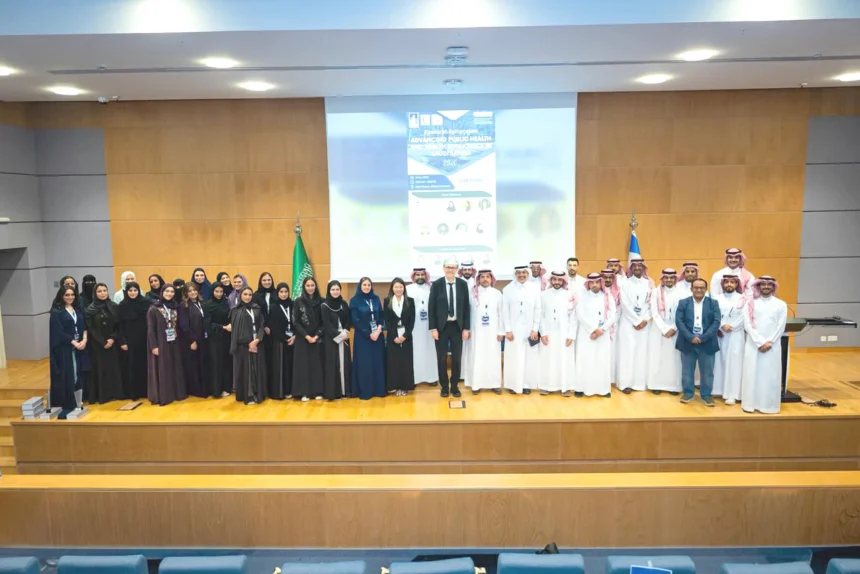
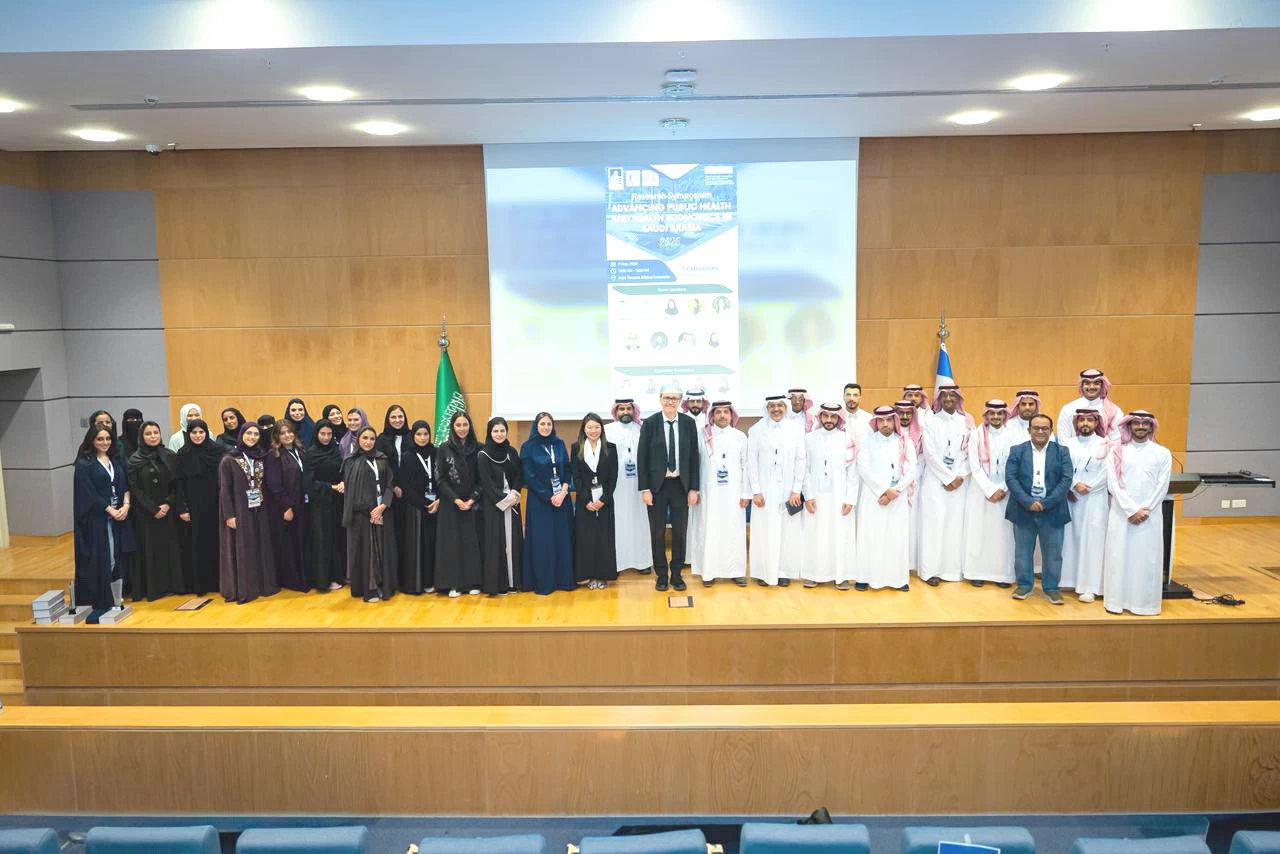
شدد خبراء وأكاديميون على أهمية بناء منظومة صحية سعودية أكثر كفاءة واستدامة، تعتمد على الأبحاث والتجارب السريرية والرعاية الصحية القائمة على القيمة والحوكمة المدعومة بالبيانات، بما يعزز جودة الحياة ويحقق مستهدفات رؤية 2030.
وأكد المشاركون في ندوة «تعزيز الصحة العامة واقتصاديات الصحة في السعودية»، ضرورة توسيع الاستثمار في الأبحاث والتجارب السريرية وتطوير الأنظمة الصحية القائمة على البيانات ورفع كفاءة الحوكمة الصحية.
وأوضح بروفيسور الصيدلة الإكلينيكية بجامعة الفيصل الدكتور أحمد الجديع، أن الأبحاث السريرية أصبحت صناعة إستراتيجية تسهم في تحسين جودة الرعاية الصحية ودعم الاقتصاد الوطني، مشيراً إلى أن التطورات العلاجية الحديثة في أمراض السكري والسمنة والسرطان جاءت نتيجة مباشرة للتجارب السريرية.
التحول الصحي السعودي.. الأكبر
من جانبه، أكد الرئيس التنفيذي السابق للتجمع الصحي الأول بالرياض الدكتور صالح التميمي، أن التحول الصحي السعودي يعد من أكبر مشاريع التطوير المؤسسي في القطاع الصحي، ويشمل إنشاء 20 تجمعاً صحياً يخدم نحو 22 مليون مستفيد، إلى جانب التوسع في الرعاية الصحية الأولية وطب الأسرة عبر نحو 2,000 مركز صحي، مع تطبيق نماذج تمويل تعتمد على الدفع مقابل القيمة والنتائج الصحية بدلاً من الدفع مقابل الخدمة. وأكد، أن التحول الرقمي والذكاء الاصطناعي والبيانات تمثل العمود الفقري للنظام الصحي الجديد، الذي يعتمد على أكثر من 150 مؤشراً للأداء والجودة لتحسين الكفاءة وتجربة المرضى.
تدعيم التخطيط الصحي
من جانبه، أوضح مدير إدارة اقتصاديات الصحة بالمجلس الصحي السعودي الدكتور محمد اللحيدان، أن دراسة سعودية شملت 553 مشاركاً فوق سن الخمسين كشفت ارتفاع معدلات الأمراض المزمنة، واعتماد 42% من كبار السن على دعم أبنائهم، مؤكداً أهمية الدراسات طويلة المدى لبناء قاعدة بيانات وطنية تدعم التخطيط الصحي والاجتماعي مستقبلاً.
Experts and academics emphasized the importance of building a more efficient and sustainable Saudi health system, relying on research, clinical trials, value-based healthcare, and data-driven governance, which enhances the quality of life and achieves the goals of Vision 2030.
Participants in the seminar “Enhancing Public Health and Health Economics in Saudi Arabia” stressed the need to expand investment in research and clinical trials, develop data-driven health systems, and improve the efficiency of health governance.
Professor of Clinical Pharmacy at Al-Faisal University, Dr. Ahmed Al-Jadiah, explained that clinical research has become a strategic industry contributing to the improvement of healthcare quality and supporting the national economy, noting that recent therapeutic advancements in diabetes, obesity, and cancer are a direct result of clinical trials.
The Saudi Health Transformation.. The Largest
For his part, the former CEO of the First Health Cluster in Riyadh, Dr. Saleh Al-Tamimi, confirmed that the Saudi health transformation is one of the largest institutional development projects in the health sector, encompassing the establishment of 20 health clusters serving approximately 22 million beneficiaries, alongside the expansion of primary healthcare and family medicine through about 2,000 health centers, with the implementation of funding models based on payment for value and health outcomes instead of payment for services. He affirmed that digital transformation, artificial intelligence, and data represent the backbone of the new health system, which relies on more than 150 performance and quality indicators to improve efficiency and patient experience.
Strengthening Health Planning
For his part, the Director of Health Economics at the Saudi Health Council, Dr. Mohammed Al-Luhaidan, explained that a Saudi study involving 553 participants over the age of fifty revealed an increase in chronic disease rates, with 42% of the elderly relying on support from their children, emphasizing the importance of long-term studies to build a national database that supports future health and social planning.