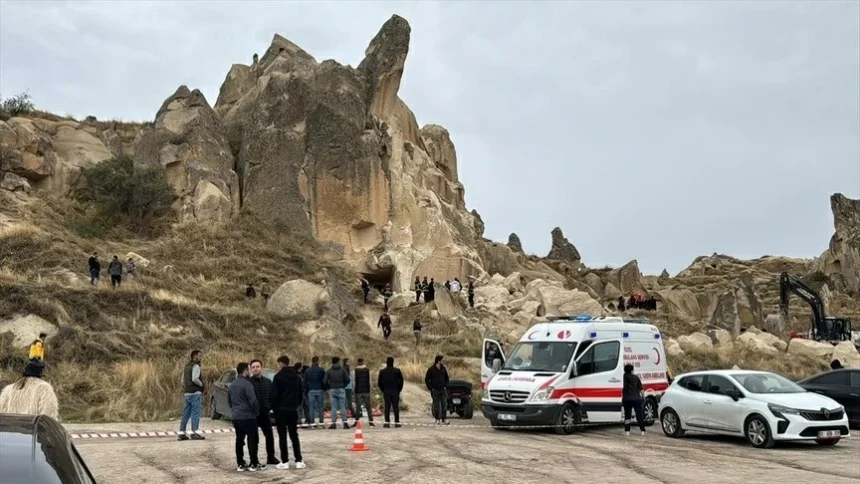
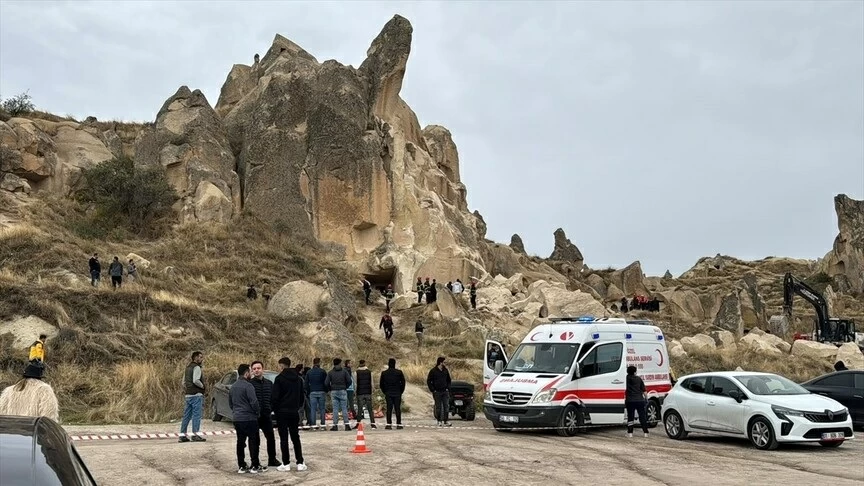
لقي ثلاثة أشخاص حتفهم وأصيب خمسة آخرون إثر انهيار جزء من التشكيلات الصخرية المعروفة باسم «مداخن الجنيات»، في منطقة كبادوكيا وسط تركيا، التي تُعد من أشهر الوجهات السياحية في البلاد، وفقاً للسلطات التركية.
وذكرت وكالة «أسوشيتد برس» أن الانهيار وقع الخميس (29 أكتوبر)، بالقرب من مدخل متحف غوريم المفتوح، بعد أمطار غزيرة تسببت في حدوث انزلاق أرضي أدى إلى تساقط أجزاء من التكوين الصخري على الموجودين في الموقع.
وقال محافظ ولاية نوشهر، حسين كوك، إن اثنين من القتلى يحملان الجنسية التركية، فيما لم تُعلن جنسية الضحية الثالثة، مشيراً إلى أن فرق الإنقاذ والإسعاف انتقلت إلى الموقع للبحث عن أشخاص ربما علقوا تحت الأنقاض.
وأضافت السلطات أن الحادث أسفر أيضاً عن إصابة خمسة أشخاص، فيما فُتح تحقيق للوقوف على ملابساته وأسبابه.
وتُعد كبادوكيا من أبرز الوجهات السياحية في تركيا، وتشتهر بتكويناتها الصخرية المخروطية التي تشكلت بفعل النشاط البركاني والتعرية الطبيعية، كما أُدرجت مواقعها الصخرية ضمن قائمة التراث العالمي لليونسكو عام 1985.
Three people died and five others were injured due to the collapse of part of the rock formations known as “Fairy Chimneys” in the Cappadocia region of central Turkey, which is one of the country’s most famous tourist destinations, according to Turkish authorities.
The Associated Press reported that the collapse occurred on Thursday (October 29), near the entrance of the Göreme Open-Air Museum, after heavy rains caused a landslide that led to parts of the rock formation falling on those present at the site.
The governor of Nigde province, Hussein Kook, stated that two of the deceased were Turkish nationals, while the nationality of the third victim has not been announced, noting that rescue and ambulance teams were dispatched to the site to search for people who may have been trapped under the rubble.
The authorities added that the incident also resulted in the injury of five people, and an investigation has been opened to determine the circumstances and causes of the incident.
Cappadocia is one of Turkey’s most prominent tourist destinations, famous for its conical rock formations that were formed by volcanic activity and natural erosion, and its rock sites were inscribed on the UNESCO World Heritage List in 1985.