



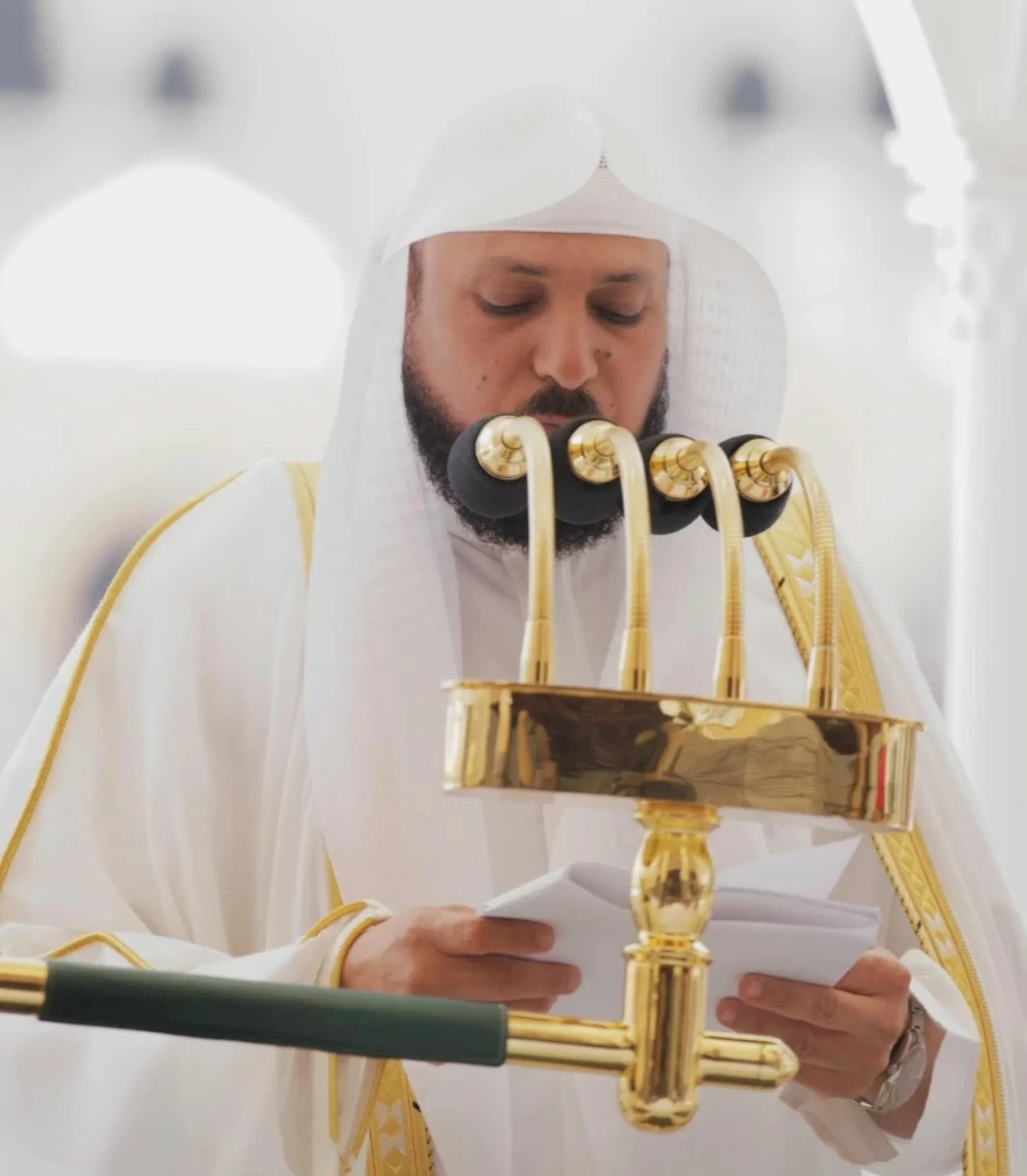
أوصى إمام وخطيب المسجد الحرام الشيخ الدكتور ماهر بن حمد المعيقلي المسلمين بتقوى الله تعالى وطاعته، مؤكدًا أن التقوى سبب لصلاح الأعمال والقلوب ومغفرة الذنوب والخطايا، مستشهدًا بقوله تعالى: ﴿وَتَزَوَّدُوا فَإِنَّ خَيْرَ الزَّادِ التَّقْوَى وَاتَّقُونِ يَا أُولِي الْأَلْبَابِ﴾.
وأوضح في خطبة الجمعة بالمسجد الحرام أن الله -سبحانه- خصّ عشر ذي الحجة بالفضل والمزية، وجعلها من أفضل أيام الدنيا، مبينًا أن العمل الصالح فيها أحب إلى الله تعالى من غيرها، مستشهدًا بما ورد عن النبي -صلى الله عليه وسلم-: «ما من أيامٍ العمل الصالح فيها أحب إلى الله من هذه الأيام».
وبيّن أن هذه الأيام اجتمع فيها من شعائر الإسلام ما لا يجتمع في غيرها؛ ففيها يوم النحر الذي يُعد أعظم الأيام عند الله تعالى، وفيها يوم عرفة الذي يباهي الله فيه ملائكته بأهل الموقف، وهو أكثر يوم يعتق الله فيه عباده من النار، مشيرًا إلى فضل صيام يوم عرفة لغير الحاج، وأنه يكفّر السنة التي قبله والسنة التي بعده بإذن الله.
وأشار الشيخ ماهر المعيقلي إلى أن من أعظم الأعمال في هذه الأيام حج بيت الله الحرام لمن استطاع إليه سبيلًا، موضحًا أن الحج المبرور ليس له جزاء إلا الجنة، وأن قبول الحج وبرّه يكونان بتحقيق التوحيد واتباع سنة النبي -صلى الله عليه وسلم-، وأن الحج كله قائم على تعظيم الله وتوحيده وذكره في شعائره وأعماله وأذكاره.
وأكد أن الإسلام دعا إلى وحدة المسلمين واجتماع كلمتهم، وأن التفاضل بينهم يكون بالتقوى لا بالألوان أو الأجناس، مستشهدًا بقوله تعالى: ﴿يَا أَيُّهَا النَّاسُ إِنَّا خَلَقْنَاكُمْ مِنْ ذَكَرٍ وَأُنثَى وَجَعَلْنَاكُمْ شُعُوبًا وَقَبَائِلَ لِتَعَارَفُوا ۚ إِنَّ أَكْرَمَكُمْ عِندَ اللَّهِ أَتْقَاكُمْ ۚ إِنَّ اللَّهَ عَلِيمٌ خَبِيرٌ﴾، محذرًا من كل ما يفرق صف المسلمين ويعكر وحدتهم.
وحذر إمام وخطيب المسجد الحرام من الشرك بالله تعالى، مبينًا أنه أعظم الذنوب وأكبر الكبائر، وأنه سبب لحبوط الأعمال، مستشهدًا بقوله تعالى: ﴿وَلَقَدْ أُوحِيَ إِلَيْكَ وَإِلَى الَّذِينَ مِنْ قَبْلِكَ لَئِنْ أَشْرَكْتَ لَيَحْبَطَنَّ عَمَلُكَ وَلَتَكُونَنَّ مِنَ الْخَاسِرِينَ﴾، ويقول النبي -صلى الله عليه وسلم-: «من مات لا يشرك بالله شيئًا دخل الجنة، ومن مات يشرك بالله شيئًا دخل النار».
وأشار إلى أن من أعظم الأعمال الصالحة في هذه الأيام خدمة ضيوف الرحمن، مشيدًا بما توليه المملكة العربية السعودية من عناية بالحرمين الشريفين وقاصديهما، وما تقدمه من جهود متواصلة في خدمة الحجاج والمعتمرين والزائرين، وتيسير أدائهم للعبادات والمحافظة على أمنهم وسلامتهم، في ظل الرعاية الكريمة من خادم الحرمين الشريفين وولي عهده الأمين -حفظهما الله.
ودعا الحجاج وقاصدي المشاعر المقدسة إلى تعظيم شعيرة الحج والالتزام بالأنظمة والتعليمات التي وُضعت لتحقيق السلامة والمصلحة العامة، محذرًا من الحج دون تصريح لما يترتب عليه من الإضرار بالآخرين والإخلال بالتنظيمات المعدة لخدمة ضيوف الرحمن، مستشهدًا بقول النبي -صلى الله عليه وسلم-: «لا ضرر ولا ضرار».
كما تحدث إمام وخطيب المسجد النبوي الشيخ الدكتور عبدالله بن عبدالرحمن البعيجان عن الواجبات التي ينبغي على الحاج أداؤها والالتزام بها، والبعد عن المحظورات التي تفسد الحج، موصيًا الحجاج بالتفرّغ للعبادة وأداء المناسك في أيام الحج، واجتناب ما يضيع أوقاتهم من اللهو واللغو والفسوق والجدال.
وبيّن الشيخ الدكتور عبدالله البعيجان في خطبة الجمعة من المسجد النبوي أن أركان الحج هي الأعمال التي تتوقَّفُ عليها صِحَّةُ الحج، ولا يجبر تركها بدمٍ، ولو نقص واحد منها بطل الحج، وهي الإحرام، وهو نية الدخول في الحج، وطواف الإفاضة، والوقوف بعرفة، والسعي بين الصفا والمروة.
كما أوضح إمام وخطيب المسجد النبوي أن الواجبات هي الأعمال التي تجبر بدم أو غيره، ولا يبطل بها الحج، وهي الإحرام من الميقات المعتبر شرعًا، والوقوف بعرفة إلى الغروب، والمبيت بمزدلفة، والمبيت بمنى، ورمي الجمرات مرتبًا، والحلق أو التقصير، وطواف الوداع.
وأضاف أن سُنن الحج هي جميع الأعمال والأقوال التي كان النبي -صلى الله عليه وسلم- يفعلها أو يأمر بها أثناء الحج ولكنها ليست ركنًا لا يصح الحج دونه، ولا واجبًا يترتب على تركه دم، بل يثاب فاعلها ولا يعاقب تاركها، ومنها غسل الإحرام، والتطيّب له، والتلبية، والمبيت بمنى ليلة الثامن من ذي الحجة، وركعتا الطواف، وغير ذلك.
وبيّن أن المحظورات هي ما يُمنع منه المحرم ومنها الجماع، وهو أشد محظورات الإحرام، وهو مفسدٌ للحج إن كان قبل التحلل الأول، ومنها تقليم الأظافر، أو قلعها أو قصها، وإزالة شعر الرأس بحلقٍ أو غيره، قال تعالى: «وَلَا تَحْلِقُوا رُءُوسَكُمْ حَتَّى يَبْلُغَ الْهَدْيُ مَحِلَّهُ»، ومنها استعمال الطيب بعد الإحرام في البدن أو الثياب أو غيرها مما يتصل به.
وعدّد الشيخ عبدالله البعيجان محظورات الإحرام، مبينًا أنها تشمل تغطية الرجل رأسه، ولبس المخيط، وعقد النكاح، فلا يجوز للمحرم أن يتزوج ولا أن يزوج غيره، لقول النبي -صلى الله عليه وسلم-:«لا ينكح المحرم ولا ينكح»، ومنها قتل الصيد، وهو كل حيوان بري حلال متوحش طبعا كالأرانب والحمام.
وحثّ إمام وخطيب المسجد النبوي حجاج بيت الله الحرام على التفرّغ لأداء المناسك والعبادة في أيام الحج، واجتناب ما يضيّع أوقاتهم من اللهو واللغو ومن معصية الله، فلا رفث ولا فسوق ولا جدال في الحج، داعيًا الحجاج إلى الحرص على إخلاص النية في كل عمل، وعلى الاتباع وعدم الابتداع، فلا يقبل الله عملًا فيه مثقال ذرة من شرك، ولا يُتعبد إلا بما شُرع على لسان نبيه عليه الصلاة والسلام، ووفق المنهج الشرعي، فمن عمل عملًا ليس عليه أمر نبينا محمد -صلى الله عليه وسلم- فهو ردّ.
وأضاف الشيخ البعيجان أن من تمام أداء النسك، وكمال التعاون على البر والتقوى، الالتزام بالتنظيمات والتعليمات التي تصدرها الجهات المسؤولة عن الحج، فإنها ما وضعت إلا لمصلحة الحجاج، وحفظ أمنهم، وصيانة أرواحهم، وتيسير أداء مناسكهم في طمأنينة وسكينة، فالتزامها طاعة في المعروف، وتحقيق المقاصد الشرعية في حفظ النفوس، ودفع الضرر، ومن حسن الإسلام أن يكون المسلم عونًا على النظام، بعيدًا عن الفوضى والإيذاء والزحام.
واختتم إمام وخطيب المسجد النبوي خطبة الجمعة داعيًا العباد إلى اغتنام فضائل الأيام العشر من شهر ذي الحجة المحرّم التي أقسم الله بها في كتابه الحكيم فقال جلّ وعلا: «وَالْفَجْرِ وَلَيَالٍ عَشْرِ»، إذ شرع الله فيها أعظم الطاعات والقربات، وجمع فيها من أنواع العبادة ما لم يجتمع في غيرها من الأيام، ففيها الصلاة، والحج، والصدقة، والصيام، وغير ذلك من خصال المعروف، مذكرًا بأهمية اغتنام الفرص وفضائل الأوقات الخيرات، والمبادرة بالأعمال قبل فوات الآجال.
The Imam and preacher of the Grand Mosque, Sheikh Dr. Maher bin Hamad Al-Muaqly, advised Muslims to be mindful of Allah and obey Him, emphasizing that piety is the reason for the righteousness of deeds and hearts and the forgiveness of sins and transgressions, citing His saying: ﴿And take provisions, for indeed, the best provision is piety. And fear Me, O you of understanding﴾.
He explained in the Friday sermon at the Grand Mosque that Allah – Exalted be He – has distinguished the first ten days of Dhul-Hijjah with virtue and merit, making them among the best days of this world, indicating that good deeds performed during these days are more beloved to Allah than those performed at other times, citing what was reported from the Prophet – peace be upon him -: “There are no days in which righteous deeds are more beloved to Allah than these days.”
He pointed out that these days encompass Islamic rituals that do not come together at other times; among them is the Day of Sacrifice, which is considered the greatest day before Allah, and the Day of Arafah, on which Allah boasts to His angels about those standing at the site, and it is the day when Allah frees the most of His servants from the Fire, noting the virtue of fasting on the Day of Arafah for those not performing Hajj, which expiates the sins of the previous year and the coming year, by Allah’s permission.
Sheikh Maher Al-Muaqly mentioned that one of the greatest acts during these days is performing Hajj to the Sacred House of Allah for those who are able, clarifying that an accepted Hajj has no reward except Paradise, and that the acceptance of Hajj and its righteousness is achieved through upholding monotheism and following the Sunnah of the Prophet – peace be upon him – and that Hajj is entirely based on glorifying Allah, affirming His oneness, and remembering Him in its rituals, actions, and remembrances.
He affirmed that Islam calls for the unity of Muslims and the gathering of their words, and that superiority among them is based on piety, not on colors or races, citing His saying: ﴿O mankind, indeed We have created you from male and female and made you peoples and tribes that you may know one another. Indeed, the most noble of you in the sight of Allah is the most righteous of you. Indeed, Allah is Knowing and Acquainted﴾, warning against anything that divides the ranks of Muslims and disrupts their unity.
The Imam and preacher of the Grand Mosque warned against associating partners with Allah, explaining that it is the greatest sin and the biggest of major sins, and that it leads to the nullification of deeds, citing His saying: ﴿And indeed, it has been revealed to you and to those before you: If you associate anything with Allah, your work will surely become worthless, and you will surely be among the losers﴾, and the Prophet – peace be upon him – said: “Whoever dies without associating anything with Allah will enter Paradise, and whoever dies associating anything with Allah will enter the Fire.”
He pointed out that one of the greatest righteous deeds during these days is serving the guests of the Most Merciful, praising what the Kingdom of Saudi Arabia dedicates to the Two Holy Mosques and their visitors, and the continuous efforts it provides in serving pilgrims, Umrah performers, and visitors, facilitating their worship and ensuring their safety and security, under the generous care of the Custodian of the Two Holy Mosques and his trustworthy Crown Prince – may Allah protect them.
He called on pilgrims and those heading to the sacred sites to honor the ritual of Hajj and adhere to the regulations and instructions set to ensure safety and the public interest, warning against performing Hajj without a permit due to the harm it causes to others and the disruption of the arrangements made to serve the guests of the Most Merciful, citing the Prophet’s saying – peace be upon him -: “There should be neither harm nor reciprocating harm.”
Sheikh Dr. Abdullah bin Abdulrahman Al-Buayjan, the Imam and preacher of the Prophet’s Mosque, also spoke about the obligations that pilgrims should fulfill and adhere to, and the avoidance of prohibitions that invalidate Hajj, advising pilgrims to dedicate themselves to worship and performing the rituals during the days of Hajj, and to avoid anything that wastes their time with frivolity, idle talk, immorality, and disputes.
Sheikh Dr. Abdullah Al-Buayjan clarified in the Friday sermon from the Prophet’s Mosque that the pillars of Hajj are the actions upon which the validity of Hajj depends, and leaving them cannot be compensated with blood; if any one of them is missing, Hajj is invalid. These pillars are: Ihram, which is the intention to enter into Hajj, the Tawaf of Ifadah, standing at Arafah, and the Sa’i between Safa and Marwah.
He also explained that the obligations are actions that can be compensated with blood or otherwise, and do not invalidate Hajj; these include Ihram from the legally recognized Miqat, standing at Arafah until sunset, spending the night at Muzdalifah, spending the night at Mina, throwing the stones in order, and shaving or shortening the hair, and the farewell Tawaf.
He added that the Sunnahs of Hajj are all the actions and sayings that the Prophet – peace be upon him – used to do or command during Hajj, but they are not pillars without which Hajj is invalid, nor are they obligations that entail blood if neglected; rather, those who perform them are rewarded, and those who neglect them are not punished. These include washing the Ihram, applying perfume to it, the Talbiyah, spending the night at Mina on the night of the eighth of Dhul-Hijjah, the two rak’ahs of Tawaf, and others.
He clarified that the prohibitions are what the pilgrim is forbidden from, including sexual relations, which is the most severe prohibition of Ihram and invalidates Hajj if done before the first release. Other prohibitions include cutting, plucking, or trimming the hair, and removing hair from the head by shaving or otherwise, as Allah says: “And do not shave your heads until the sacrificial animal reaches its place of slaughter,” and using perfume after entering Ihram on the body, clothes, or anything connected to it.
Sheikh Abdullah Al-Buayjan enumerated the prohibitions of Ihram, indicating that they include covering a man’s head, wearing stitched clothing, and contracting marriage; a pilgrim is not allowed to marry or marry someone else, as the Prophet – peace be upon him – said: “The pilgrim should not marry nor should he give someone in marriage,” and killing game, which includes any wild, lawful animal, such as rabbits and pigeons.
The Imam and preacher of the Prophet’s Mosque urged the pilgrims to dedicate themselves to performing the rituals and worship during the days of Hajj and to avoid anything that wastes their time with frivolity, idle talk, and disobedience to Allah. There should be no lewdness, immorality, or disputes during Hajj, calling on pilgrims to be keen on sincerity of intention in every action, and to follow the Sunnah without introducing innovations. Allah does not accept any deed that contains even an atom’s weight of polytheism, and worship should only be performed in accordance with what has been legislated by His Prophet – peace be upon him – and according to the legal methodology. Whoever performs an action that is not commanded by our Prophet Muhammad – peace be upon him – it is rejected.
Sheikh Al-Buayjan added that completing the performance of the rituals and cooperating in righteousness and piety involves adhering to the regulations and instructions issued by the authorities responsible for Hajj, as they are established solely for the benefit of the pilgrims, to ensure their safety, protect their lives, and facilitate their performance of the rituals in tranquility and serenity. Adhering to them is obedience to what is good and achieving the legitimate objectives of preserving lives and preventing harm. It is a part of good Islam for a Muslim to assist in maintaining order, staying away from chaos, harm, and overcrowding.
The Imam and preacher of the Prophet’s Mosque concluded the Friday sermon by calling the worshippers to seize the virtues of the first ten days of the sacred month of Dhul-Hijjah, which Allah swore by in His wise Book, saying: “By the dawn and ten nights,” as Allah has legislated in them the greatest acts of worship and nearness to Him, gathering in them types of worship that are not found together in other days. In them are prayer, Hajj, charity, fasting, and other good deeds, reminding them of the importance of seizing opportunities and the virtues of good times, and hastening to do good deeds before the expiration of their time.


