



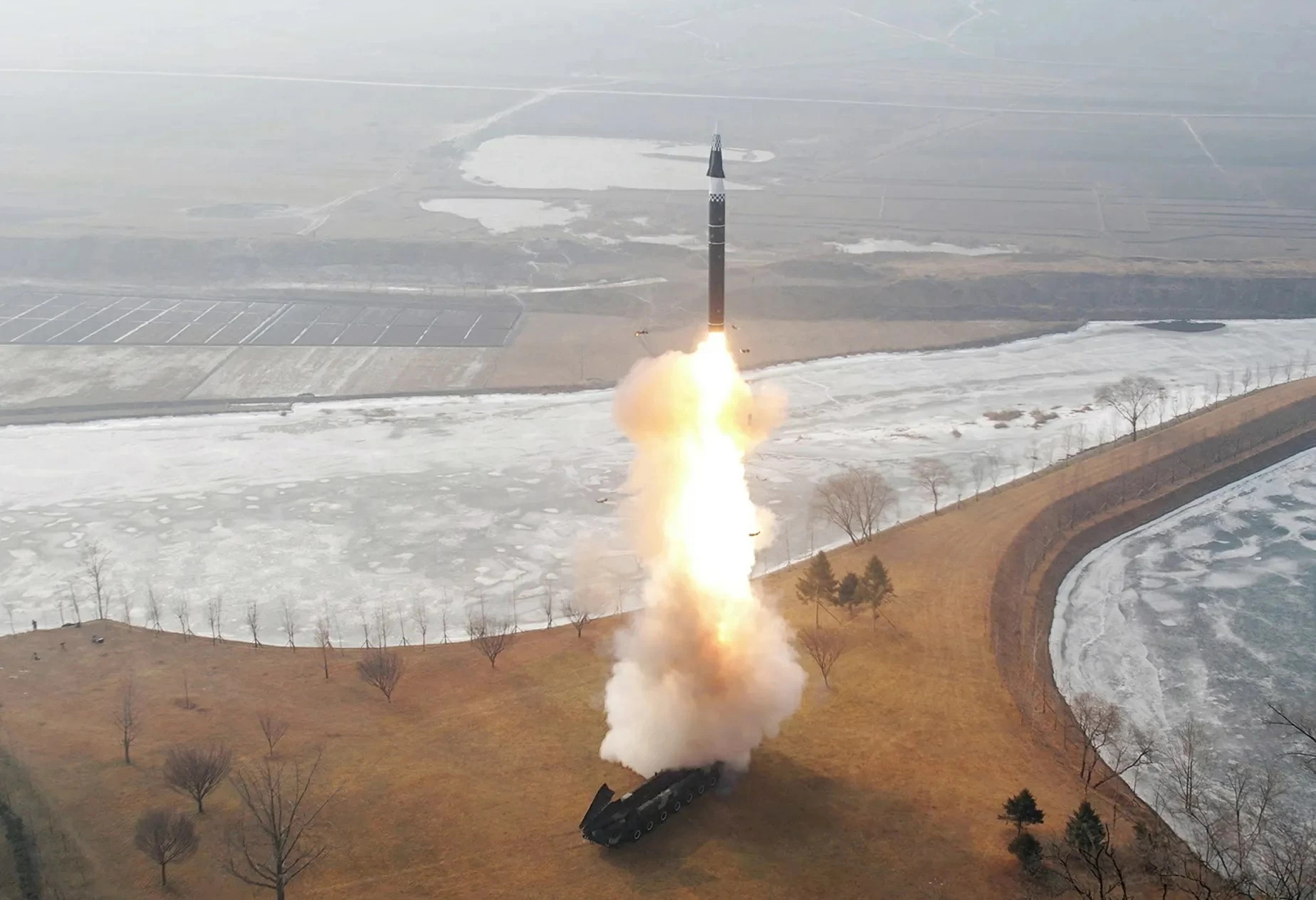
اتهم الجيش الكوري الجنوبي اليوم (الثلاثاء) جارته الشمالية بإطلاق عدة صواريخ، من بينها صاروخ باليستي قصير المدى على الأقل، باتجاه الساحل الغربي للبلاد المطل على البحر الأصفر.
وقالت هيئة الأركان المشتركة الكورية الجنوبية في بيان إن الصواريخ أُطلقت نحو الساعة 04:00 بتوقيت غرينتش من إقليم بيونجان الشمالي في كوريا الشمالية.
ويُعد هذا التطور هو الأول الذي تقوم به كوريا الشمالية منذ 19 أبريل، عندما أجرت بيونغ يانغ تجربة إطلاق لعدة صواريخ باليستية قصيرة المدى، قالت إنها مزودة بقنابل عنقودية.
وأعلنت بيونغ يانغ مطلع أبريل اختبار رأس حربي جديد لقنبلة عنقودية على صاروخ باليستي، بالإضافة إلى سلاح كهرومغناطيسي، في خطوة وصفها مراقبون بأنها جزء من جهود استعراض قدرة الشمال على خوض حرب حديثة.
وكان الزعيم الكوري الشمالي كيم جونغ أون أعلن في مارس الماضي أن وضع بلاده كدولة نووية أمر لا رجعة فيه، وأن توسيع القوة النووية للدفاع عن النفس ضروري للأمن القومي.
وكشفت كوريا الشمالية مطلع مايو الجاري تعديلات واسعة على دستورها، تعكس توجهات جديدة في قيادة البلاد وعلاقاتها الإقليمية، وتعيد صياغة موقفها من قضية توحيد الكوريتين، كما منحت هذه التغييرات زعيم البلاد سلطات أوسع، وأكدت الدور المركزي للأسلحة النووية في إستراتيجية الدولة وبقاء النظام.
ويواصل الزعيم الكوري الشمالي كيم جونغ أون توسيع ترسانته النووية والصاروخية منذ انهيار الدبلوماسية النووية مع الرئيس الأمريكي دونالد ترمب عام 2019، لكن ترمب يشدد على ضرورة العودة إلى المحادثات مع كيم، رغم تجاهل بيونغ يانغ لتلك المبادرات الأمريكية.
The South Korean military accused its northern neighbor today (Tuesday) of launching several missiles, including at least one short-range ballistic missile, towards the country’s western coast overlooking the Yellow Sea.
The South Korean Joint Chiefs of Staff stated in a statement that the missiles were launched around 04:00 GMT from the North Pyongan Province in North Korea.
This development is the first action taken by North Korea since April 19, when Pyongyang conducted a test launch of several short-range ballistic missiles, which it claimed were equipped with cluster bombs.
At the beginning of April, Pyongyang announced the testing of a new warhead for a cluster bomb on a ballistic missile, in addition to an electromagnetic weapon, in a move that observers described as part of efforts to showcase the North’s capability to engage in modern warfare.
North Korean leader Kim Jong Un announced last March that his country’s status as a nuclear state is irreversible, and that expanding nuclear power for self-defense is essential for national security.
North Korea revealed at the beginning of May extensive amendments to its constitution, reflecting new directions in the country’s leadership and its regional relations, and rephrasing its stance on the issue of reunifying the Koreas. These changes also granted the country’s leader broader powers and emphasized the central role of nuclear weapons in the state’s strategy and the survival of the regime.
Kim Jong Un continues to expand his nuclear and missile arsenal since the collapse of nuclear diplomacy with U.S. President Donald Trump in 2019, but Trump emphasizes the need to return to talks with Kim, despite Pyongyang’s disregard for those U.S. initiatives.