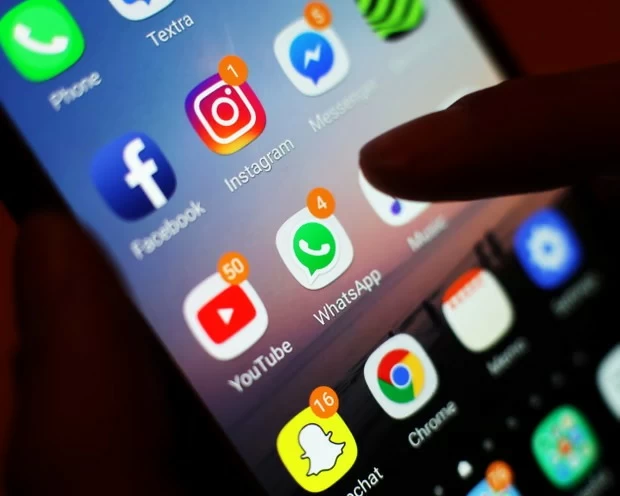
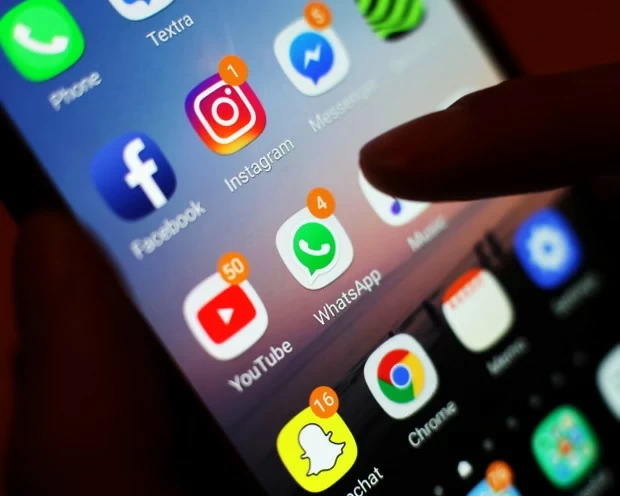
تواجه الحكومة البريطانية موجة من الانتقادات من كبرى شركات التكنولوجيا العالمية بعد إعلان رئيس الوزراء كير ستارمر خطة جديدة لحظر استخدام منصات التواصل الاجتماعي على الأطفال والمراهقين دون سن السادسة عشرة، في خطوة تهدف إلى تعزيز سلامة الأطفال على الإنترنت والحد من الآثار السلبية للمحتوى الرقمي.
ومن المقرر أن تدخل الإجراءات الجديدة حيز التنفيذ بحلول ربيع العام المقبل، لتصبح المملكة المتحدة واحدة من أكثر الدول تشددًا في تنظيم استخدام الأطفال والمراهقين لوسائل التواصل الاجتماعي.
نتائج عكسية
وأبدت شركات التكنولوجيا الكبرى، وعلى رأسها (ميتا) و(يوتيوب) و(سناب شات)، اعتراضها على القرار، محذرةً من أن الحظر قد يدفع المراهقين إلى استخدام منصات أقل أمانًا وخاضعة لرقابة أقل.
وقالت شركة (ميتا)، المالكة لمنصتي فيسبوك وإنستغرام: إن التجارب السابقة أظهرت أن مثل هذه القيود قد تؤدي إلى عزل المراهقين عن المجتمعات الرقمية المفيدة ومصادر المعلومات، ودفعهم نحو بدائل غير منظمة تفتقر إلى أدوات الحماية والرقابة الأسرية.
من جانبها، اعتبرت (يوتيوب) أن الحظر الشامل قد يحرم الأطفال من تجارب تعليمية وإبداعية آمنة وخاضعة للإشراف، ويدفعهم نحو خدمات مجهولة وأكثر خطورة.
أما (سناب شات) فأكدت أن غالبية استخدام المنصة يتم عبر التواصل الخاص بين الأصدقاء وأفراد العائلة، محذرةً من أن قطع هذه الروابط الاجتماعية لن يجعل المراهقين أكثر أمانًا، بل ربما يدفعهم إلى استخدام تطبيقات أقل حماية.
حماية الأطفال أولوية
ورغم الانتقادات، دافع رئيس الوزراء البريطاني كير ستارمر بقوة عن القرار، مؤكدًا أن «وسائل التواصل الاجتماعي أصبحت مصدرًا رئيسيًا للضغوط النفسية والتنمُّر الإلكتروني بين الأطفال».
وقال ستارمر: إن هذه المنصات تسهم في زيادة مشاعر التعاسة لدى بعض الأطفال، وتسهل عمليات التنمر والإساءة، وقد تؤثر سلبًا على الصحة النفسية للمراهقين.
وشدد على أن القرار لا يعكس موقفًا معاديًا للتكنولوجيا أو الذكاء الاصطناعي، مؤكدًا أن دعم الابتكار الرقمي لا يتعارض مع ضرورة حماية الأطفال من المخاطر الإلكترونية.
ما الذي سيتغير؟
وبموجب الخطة الجديدة، سيتم منع من هم دون 16 عامًا من تحميل أو استخدام عدد من أبرز منصات التواصل الاجتماعي، من بينها: فيسبوك، إنستغرام، تيك توك، سناب شات، يوتيوب، منصة إكس (تويتر سابقًا).
كما ستتضمن الإجراءات قيودًا إضافية على بعض التطبيقات الرقمية والألعاب الإلكترونية، بما في ذلك منع التواصل مع الغرباء عبر الدردشة داخل الألعاب.
وفي خطوة أخرى، ستُحظر على من هم دون 18 عامًا برامج المحادثة العاطفية والروبوتات الذكية المصممة لمحاكاة العلاقات الرومانسية أو الجنسية.
هل يمكن تجاوز الحظر؟
وأقر ستارمر بأن بعض المراهقين قد يحاولون التحايل على القيود الجديدة، كما حدث في دول أخرى مثل أستراليا، إلا أنه شدد على أن ذلك لا يقلل من أهمية التشريع.
وأوضح أن القوانين لا تهدف فقط إلى فرض العقوبات، بل أيضًا إلى ترسيخ قيم مجتمعية جديدة وتغيير توقعات الأسر والأطفال بشأن استخدام التكنولوجيا.
وأضاف أن الحظر سيوفر للأطفال مزيدًا من الوقت والأمان وفرص النمو بعيدًا عن الضغوط الرقمية المتزايدة.
دعم لحماية الأطفال
وحظي القرار بترحيب واسع من عدد من جماعات حماية الأطفال وأسر فقدت أبناءها في حوادث ارتبطت باستخدام وسائل التواصل الاجتماعي.
وبحسب صحيفة (الغارديان)، قالت إستر غي -والدة (بريانا غي) مراهقة بريطانية قُتلت عام 2023-: إن القرار قد يسهم في إنقاذ حياة العديد من الأطفال ويحد من المخاطر التي يواجهونها عبر الإنترنت.
تأييد شعبي واسع
وأشارت الحكومة البريطانية إلى أن نتائج مشاورات عامة أجرتها مؤخرًا أظهرت تأييدًا واسعًا للخطة، حيث أيد نحو 90% من المشاركين تحديد سن 16 عامًا كحد أدنى لاستخدام منصات التواصل الاجتماعي.
ويرى مراقبون أن القرار يمثل تحولًا مهمًا في سياسة بريطانيا الرقمية، ويعكس تنامي القلق العالمي بشأن تأثير وسائل التواصل الاجتماعي على الصحة النفسية للأطفال والمراهقين، في وقت تتزايد فيه الدعوات لفرض ضوابط أكثر صرامة على شركات التكنولوجيا الكبرى.
The British government is facing a wave of criticism from major global technology companies following Prime Minister Keir Starmer’s announcement of a new plan to ban the use of social media platforms by children and teenagers under the age of sixteen, in a move aimed at enhancing online safety for children and reducing the negative impacts of digital content.
The new measures are set to come into effect by spring next year, making the UK one of the most stringent countries in regulating the use of social media by children and teenagers.
Unintended Consequences
Major technology companies, led by Meta, YouTube, and Snapchat, have expressed their objections to the decision, warning that the ban could drive teenagers to use less safe platforms with less oversight.
Meta, the owner of Facebook and Instagram, stated that previous experiences have shown that such restrictions can isolate teenagers from beneficial digital communities and sources of information, pushing them towards unregulated alternatives that lack protective tools and parental controls.
For its part, YouTube argued that a blanket ban could deprive children of safe and supervised educational and creative experiences, pushing them towards unknown and more dangerous services.
Snapchat emphasized that the majority of platform usage occurs through private communication between friends and family members, warning that severing these social connections would not make teenagers safer, but could instead lead them to use less protective apps.
Child Protection a Priority
Despite the criticism, Prime Minister Keir Starmer strongly defended the decision, asserting that “social media has become a major source of mental pressure and cyberbullying among children.”
Starmer stated that these platforms contribute to increased feelings of unhappiness among some children, facilitate bullying and abuse, and can negatively affect teenagers’ mental health.
He stressed that the decision does not reflect an anti-technology or anti-AI stance, affirming that supporting digital innovation does not conflict with the necessity of protecting children from online risks.
What Will Change?
Under the new plan, those under 16 will be prohibited from downloading or using several prominent social media platforms, including Facebook, Instagram, TikTok, Snapchat, YouTube, and the X platform (formerly Twitter).
The measures will also include additional restrictions on certain digital applications and video games, including a ban on communicating with strangers through in-game chat.
In another step, those under 18 will be banned from using dating chat programs and smart robots designed to simulate romantic or sexual relationships.
Can the Ban Be Circumvented?
Starmer acknowledged that some teenagers may attempt to circumvent the new restrictions, as has happened in other countries like Australia, but emphasized that this does not diminish the importance of the legislation.
He explained that the laws aim not only to impose penalties but also to instill new societal values and change the expectations of families and children regarding technology use.
He added that the ban will provide children with more time, safety, and opportunities for growth away from increasing digital pressures.
Support for Child Protection
The decision has received widespread support from several child protection groups and families who have lost children in incidents related to social media use.
According to The Guardian, Esther Gay – the mother of Brianna Gay, a British teenager who was killed in 2023 – stated that the decision could help save many children’s lives and reduce the risks they face online.
Broad Public Support
The British government noted that the results of a recent public consultation showed broad support for the plan, with about 90% of participants backing the age limit of 16 as the minimum for using social media platforms.
Observers believe that the decision represents an important shift in Britain’s digital policy and reflects growing global concern about the impact of social media on the mental health of children and teenagers, at a time when calls for stricter controls on major technology companies are increasing.