

طالب مجلس الشورى هيئة تقويم التعليم والتدريب بتقييم جدوى اختبارات «جاهزية» وموثوقية نتائجها، ومدى ارتباط نتائجها بسوق العمل.
وطالب المجلس، في جلسته العادية السادسة والثلاثين من أعمال السنة الثانية للدورة التاسعة، المنعقدة، أمس، برئاسة نائب رئيس المجلس الدكتور مشعل فهم السُّلمي، الهيئة بتطوير إطار وطني منظم لممارسة الاستشارات والتدريب في مجال التقويم والاعتماد؛ بما يضمن جودة الممارسة ويرفع كفاءة مخرجاتها.
ودعا المجلس الهيئة العامة للمنافسة إلى تطوير آليات إلزامية لتبادل البيانات الحكومية والقطاعية بشكل دوري ومنتظم؛ من أجل تفعيل الرصد الاستباقي للممارسات المخلة بالمنافسة، ودعم اتخاذ قرارات مبنية على الأدلة.
وطالب المجلس الهيئة العامة للمعارض والمؤتمرات بدراسة تطوير مبادرات تمويلية وتنموية لقطاع المعارض والمؤتمرات؛ بما يسهم في رفع جاذبية القطاع وتحفيز الاستثمار.
وطالب الهيئة العامة للموانئ برفع كفاءة العمليات التشغيلية في الموانئ وتحسين مؤشرات أدائها؛ بما يعزز تنافسيتها، ويزيد من جاذبيتها للحركة الملاحية والتجارية، والتوسع في تطبيق مفهوم الموانئ المتخصصة وفقاً لطبيعة الأنشطة التشغيلية لكل ميناء؛ بما يعظم الاستفادة من المزايا النسبية والتنافسية للموانئ، ودراسة إقامة شراكات إستراتيجية مع الموانئ المطلة على البحر الأحمر في دول القرن الأفريقي؛ بما يعزز التكامل اللوجستي والتجاري.
وناقش المجلس التقرير السنوي لوزارة الثقافة، وطالب عضو المجلس الدكتور راشد الشريف وزارة الثقافة بتعزيز المحتوى الثقافي الوطني، وتوسيع أثره في الفضاء الرقمي، ودعم المبادرات التي تعزز الهوية والانتماء، وتمكين أدوات الوعي الثقافي لدى المجتمع، بما يضمن حضوراً ثقافياً وطنياً قوياً ومتوازناً في المشهد العالمي. واقترح عضو المجلس الدكتور عبدالله العطاس إطلاق «حقيبة الترحيب الثقافية الرقمية»، بحيث يتم ربطها إلكترونياً بآلية إصدار تأشيرات الدخول (سياحة، عمل، عمرة)، لتكون المصافحة الرقمية الأولى وجسرًا معرفياً لكل قادم إلى أرض الوطن.
وناقش المجلس تقرير هيئة الحكومة الرقمية، وتقرير هيئة الاتصالات والفضاء والتقنية. وأكد عضو المجلس الدكتور مفلح القحطاني، أهمية تبنّي الهيئة مبادرات نوعية بالشراكة مع الجهات ذات العلاقة، تهدف إلى تعزيز المحتوى الموجّه للأطفال بما يسهم في ترسيخ القيم الوطنية، ودعم الهوية الوطنية، وتحقيق أهداف الحماية والتنمية الرقمية للأطفال بصورة متوازنة وفعّالة. وناقش التقرير السنوي للمعهد الوطني للتطوير المهني التعليمي، وطالب عضو مجلس الشورى الدكتور محمد العقيل المعهد بالتركيز على البرامج التخصصية الدقيقة في مجالات تخصص المعلمين، وقياس أثر التدريب من خلال ربطه بتحسن نتائج الطلاب في الاختبارات الوطنية والدولية، والتوسع في تقديم البرامج التدريبية الحضورية في المناطق الطرفية، مع مواكبة المستجدات التقنية بما يسهم في تقليص الفجوة التقنية بين المعلمين والطلاب.
وناقش التقرير السنوي للمركز السعودي لكفاءة الطاقة، وأكدت عضو المجلس الدكتورة بشرى الحماد، أهمية تطوير المركز السعودي لكفاءة الطاقة مؤشرات ومنهجيات تقيس أثر تطبيق أنظمة إدارة الطاقة والمباني الذكية في الجهات الحكومية والتعليمية، وتوثيق التجارب الوطنية الناجحة في هذا المجال، ونقل أفضل ممارساتها وتعميمها على الجهات ذات الاستهلاك المرتفع للطاقة؛ بما يسهم في تعزيز الوفر المتحقق من برامج ومشاريع كفاءة الطاقة، ورفع كفاءة الإنفاق، وتعزيز الاستفادة من النماذج الوطنية الرائدة على المستوى الوطني.
وناقش التقرير السنوي للمركز الوطني لتنمية الغطاء النباتي ومكافحة التصحر، وأبدى الأعضاء ملحوظات وآراء حول التقارير. وفي نهاية المناقشة طلبت اللجان منحها مزيداً من الوقت لدراسة ما طرحه الأعضاء من آراء أو توصيات والعودة بوجهة نظرها إلى المجلس في جلسة لاحقة.
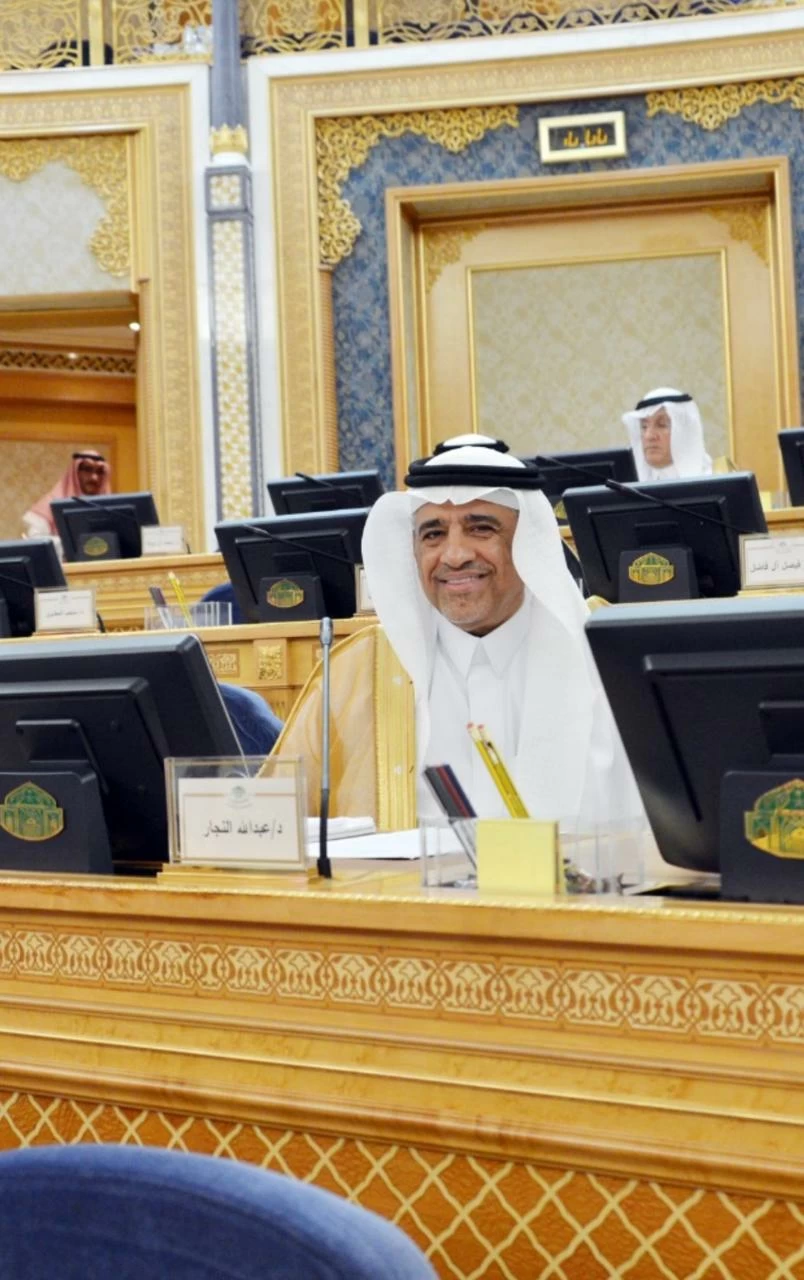
النجار لمركز كفاءة الطاقة: طوّروا حوكمة وتحليل البيانات
طالب عضو المجلس الدكتور عبدالله النجار، المركز السعودي لكفاءة الطاقة بالتنسيق مع الجهات ذات العلاقة بإعداد إطار وطني لكفاءة الطاقة في مراكز البيانات، يتضمن معايير ومؤشرات لقياس كفاءة الطاقة، وضوابط لتحسين أنظمة التبريد، وتعزيز استخدام التقنيات الحديثة والطاقة المتجددة، بما يسهم في دعم مستهدفات الاقتصاد الرقمي والاستدامة البيئية، والتنسيق مع الجهات ذات العلاقة لتطوير إطار وطني متكامل لحوكمة وتحليل بيانات كفاءة الطاقة، يوظف تقنيات الذكاء الاصطناعي والتحليلات التنبؤية، ويعزز تكامل البيانات بين القطاعات ذات العلاقة، بما يدعم استشراف الطلب على الطاقة، وقياس أثر المبادرات، ورفع كفاءة السياسات والبرامج، وتعزيز اتخاذ القرار المبني على البيانات.
The Shura Council has requested the Education and Training Evaluation Commission to assess the feasibility of the “Readiness” tests and the reliability of their results, as well as the extent to which their results are linked to the labor market.
During its thirty-sixth regular session of the second year of the ninth term, held yesterday under the chairmanship of the Deputy Chairman of the Council, Dr. Mishal Fahm Al-Sulami, the Council urged the Commission to develop a national framework for consulting and training in the field of evaluation and accreditation; to ensure quality practice and enhance the efficiency of its outcomes.
The Council called on the General Authority for Competition to develop mandatory mechanisms for the periodic and regular exchange of governmental and sectoral data; in order to activate proactive monitoring of anti-competitive practices and support evidence-based decision-making.
The Council requested the General Authority for Exhibitions and Conferences to study the development of financing and developmental initiatives for the exhibitions and conferences sector; to enhance the sector’s attractiveness and stimulate investment.
The Council urged the General Authority for Ports to improve the operational efficiency of ports and enhance their performance indicators; to boost their competitiveness, increase their appeal for maritime and commercial traffic, and expand the application of the concept of specialized ports according to the nature of the operational activities of each port; to maximize the benefits from the relative and competitive advantages of the ports, and to study establishing strategic partnerships with ports along the Red Sea in the Horn of Africa; to enhance logistical and commercial integration.
The Council discussed the annual report of the Ministry of Culture, and Council member Dr. Rashid Al-Sharif urged the Ministry of Culture to enhance national cultural content, expand its impact in the digital space, support initiatives that strengthen identity and belonging, and empower cultural awareness tools within the community, ensuring a strong and balanced national cultural presence in the global scene. Council member Dr. Abdullah Al-Attas proposed launching a “Digital Cultural Welcome Kit,” which would be electronically linked to the visa issuance mechanism (tourism, work, Umrah), to serve as the first digital handshake and a knowledge bridge for everyone coming to the homeland.
The Council discussed the report of the Digital Government Authority and the report of the Communications, Space, and Technology Authority. Council member Dr. Muflih Al-Qahtani emphasized the importance of the Authority adopting qualitative initiatives in partnership with relevant entities, aimed at enhancing content directed at children to help instill national values, support national identity, and achieve balanced and effective protection and digital development goals for children. The annual report of the National Institute for Professional Development was also discussed, and Council member Dr. Mohammed Al-Oqail urged the Institute to focus on specialized programs in teachers’ fields, measure the impact of training by linking it to improved student results in national and international tests, and expand the provision of in-person training programs in peripheral areas, while keeping up with technological developments to help bridge the technological gap between teachers and students.
The annual report of the Saudi Center for Energy Efficiency was discussed, and Council member Dr. Bushra Al-Hamad emphasized the importance of the Saudi Center for Energy Efficiency developing indicators and methodologies to measure the impact of implementing energy management systems and smart buildings in government and educational entities, documenting successful national experiences in this field, and transferring and disseminating best practices to high energy-consuming entities; to enhance the savings achieved from energy efficiency programs and projects, improve spending efficiency, and maximize the benefits from leading national models at the national level.
The annual report of the National Center for Vegetation Cover Development and Combating Desertification was discussed, and members expressed observations and opinions regarding the reports. At the end of the discussion, the committees requested more time to study the opinions or recommendations put forth by the members and to return with their perspective to the Council in a later session.
Al-Najjar to the Energy Efficiency Center: Develop Governance and Data Analysis
Council member Dr. Abdullah Al-Najjar called on the Saudi Center for Energy Efficiency to coordinate with relevant entities to prepare a national framework for energy efficiency in data centers, including standards and indicators for measuring energy efficiency, regulations for improving cooling systems, and enhancing the use of modern technologies and renewable energy, to support the targets of the digital economy and environmental sustainability, and to coordinate with relevant entities to develop a comprehensive national framework for the governance and analysis of energy efficiency data, employing artificial intelligence technologies and predictive analytics, and enhancing data integration among related sectors, to support forecasting energy demand, measure the impact of initiatives, improve the efficiency of policies and programs, and enhance data-driven decision-making.