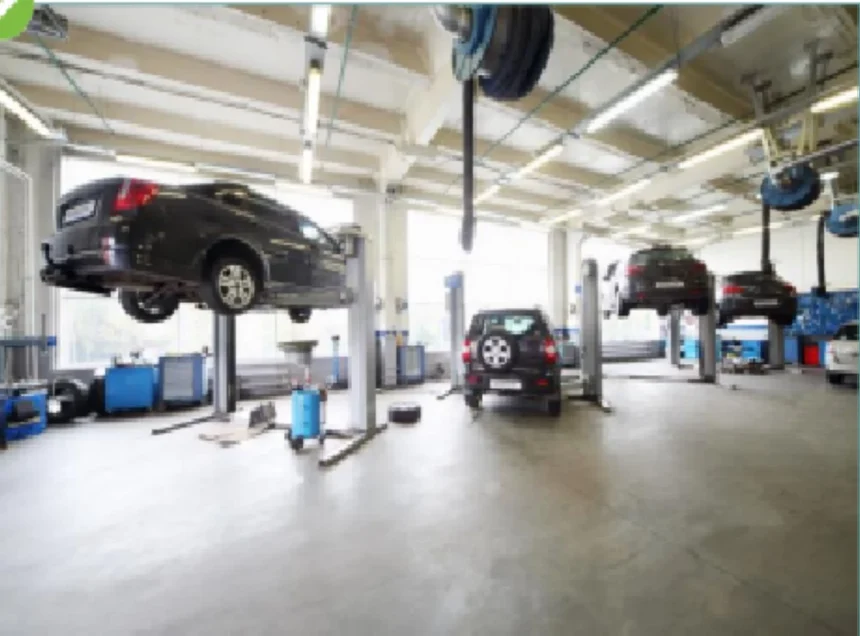
اشترطت وزارة البلديات والإسكان على ورش وسائل النقل تخصيص منطقة مكيفة للانتظار عند استقبال العملاء تتيح لهم متابعة الصيانة عبر نوافذ زجاجية، أو من خلال بث حي بالكاميرات عند تعذر الرؤية المباشرة، مع توفير وسائل دفع إلكتروني صالحة للاستخدام.
وعزت الوزارة معاييرها إلى تنظيم نشاط الورش، وتوفير بيئة نظامية واضحة للمستثمرين والمستفيدين، وأوضحت الوزارة أن الاشتراطات تنظم أعمال الورش داخل حدود المنشأة وتمنع استخدام الأرصفة أو مناطق الارتداد لممارسة النشاط، كما تلزم بإيقاف مركبات العملاء داخل الورشة وعدم ركنها على الأرصفة والطرقات.
وبيّنت البلديات أن الاشتراطات تتيح للمستفيد التحقق من الوثائق النظامية للمنشأة عبر الرمز الإلكتروني الموحد «QR» الذي يجب عرضه في موقع ظاهر على واجهة المنشأة، ويتيح الوصول إلى بيانات الترخيص والوثائق الحكومية، بما يرفع مستوى الوضوح في التعامل.
ومن متطلبات السلامة الالتزام بكود البناء السعودي ومتطلبات الوقاية والحماية من الحريق، وتوفير التجهيزات الملائمة لطبيعة النشاط وصندوق للإسعافات الأولية، إلى جانب حصول العاملين على الشهادات المهنية للأنشطة التي تتطلب ذلك، بما يدعم توفير بيئة عمل أكثر سلامةً للعاملين والمستفيدين.
وفي الجانب البيئي لفتت وزارة البلديات إلى ضرورة تنظيم الورش عمليات التعامل مع النفايات والزيوت المستعملة، وتوفير حاجز للزيوت لمنع تسربها إلى شبكة الصرف الصحي، وفحصه مرةً واحدةً على الأقل كل ثلاثة أشهر، وجمع الزيوت المستعملة في خزانات مخصصة وتسليمها إلى الجهات المعنية بإعادة التدوير أو ناقلي النفايات المعتمدين، إضافةً إلى معالجة أي تسربات.
منع التمديدات على الواجهة
من المتطلبات المحافظة على نظافة الورشة ومحيطها، وصيانة الواجهات واللوحات والأرضيات والتجهيزات بصورة دورية، ومنع ظهور تمديدات الخدمات ووحدات التكييف على الواجهات بشكل يؤثر في المظهر العام، إلى جانب الالتزام بمتطلبات الوصول الشامل للأشخاص ذوي الإعاقة، بما ينعكس على تنظيم المنشآت وتحسين البيئة العمرانية.
وأكدت الوزارة أن أثر تنظيم ورش إصلاح وسائل النقل يمتد إلى تحسين جودة الخدمة، ورفع مستوى السلامة، وتنظيم استخدام الأرصفة والطرقات، والحد من التشوه البصري، وتحسين تجربة المستفيد، ودعم التعامل السليم مع النفايات والزيوت، لتكون الورش أكثر كفاءةً وتنظيماً ضمن البيئة الحضرية.
The Ministry of Municipalities and Housing has stipulated that transport workshops must allocate an air-conditioned waiting area for customers, allowing them to monitor maintenance through glass windows or via live camera feeds when direct visibility is not possible, along with providing valid electronic payment methods.
The ministry attributed its standards to the organization of workshop activities and the provision of a clear regulatory environment for investors and beneficiaries. The ministry clarified that the requirements regulate workshop operations within the facility’s boundaries and prohibit the use of sidewalks or setback areas for conducting activities, as well as mandating that customer vehicles be stopped inside the workshop and not parked on sidewalks and roads.
The municipalities indicated that the requirements allow beneficiaries to verify the facility’s regulatory documents via the unified electronic QR code, which must be displayed prominently on the facility’s facade, providing access to licensing data and government documents, thereby enhancing transparency in dealings.
Safety requirements include compliance with the Saudi Building Code and fire prevention and protection requirements, providing appropriate equipment for the nature of the activity, and a first aid kit, in addition to ensuring that workers obtain professional certificates for activities that require them, thus supporting a safer working environment for both workers and beneficiaries.
On the environmental side, the Ministry of Municipalities emphasized the necessity for workshops to organize the handling of waste and used oils, providing an oil barrier to prevent leakage into the sewage system, inspecting it at least once every three months, collecting used oils in designated tanks, and delivering them to relevant recycling authorities or certified waste transporters, in addition to addressing any leaks.
Prohibition of Extensions on the Facade
Among the requirements is the maintenance of cleanliness in the workshop and its surroundings, regular maintenance of facades, signage, flooring, and equipment, and preventing the appearance of service extensions and air conditioning units on the facades in a manner that affects the overall appearance, alongside adhering to accessibility requirements for persons with disabilities, reflecting on the organization of facilities and improving the urban environment.
The ministry confirmed that the impact of regulating transport repair workshops extends to improving service quality, enhancing safety levels, organizing the use of sidewalks and roads, reducing visual distortion, improving the beneficiary experience, and supporting proper handling of waste and oils, making the workshops more efficient and organized within the urban environment.