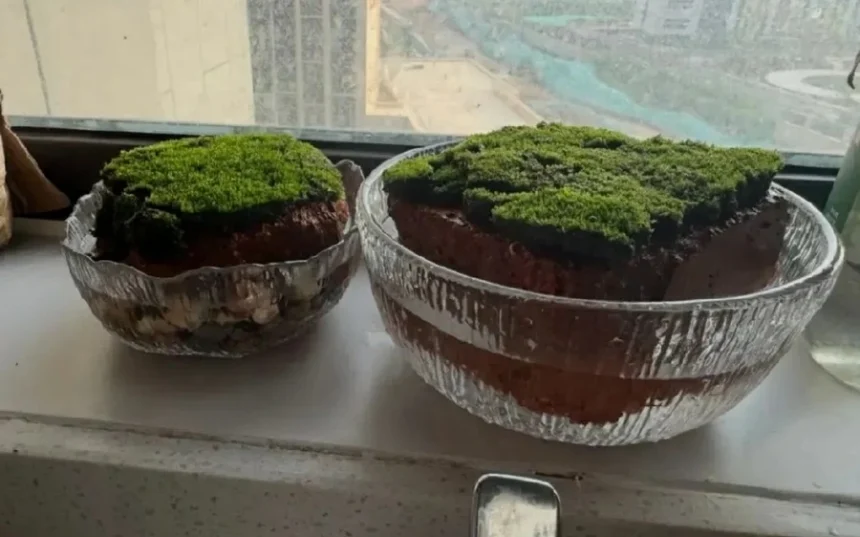
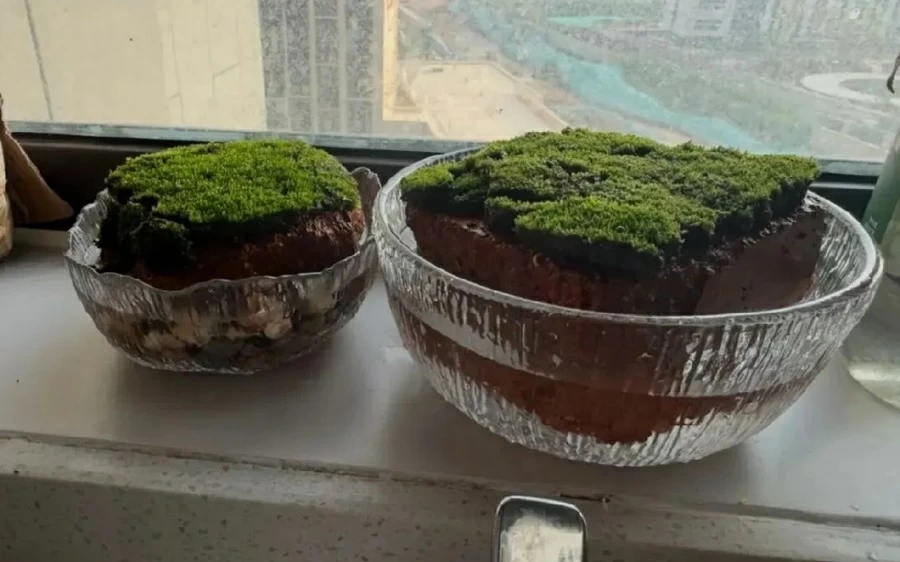
في ظاهرة تبدو أقرب إلى المزاح منها إلى الواقع، تحولت قطع الطوب في الصين إلى (كائنات أليفة) يتباهى الشباب بتربيتها والعناية بها، كبديل منخفض التكلفة عن إنجاب الأطفال أو اقتناء الحيوانات الأليفة.
وتقوم فكرة (تربية الطوب) على الاحتفاظ بقطعة طوب ورشّها بالماء بشكل منتظم حتى تنمو عليها الطحالب تدريجياً، ما يمنح أصحابها شعوراً بمتابعة كائن حي والتفاعل معه من دون أعباء أو التزامات كبيرة.
وحصدت الظاهرة اهتماماً واسعاً عبر منصات التواصل الاجتماعي، إذ تجاوزت مشاهدات الوسوم المرتبطة بها ملايين المشاهدات، بينما عبّر عدد من المشاركين عن شعورهم بالإنجاز عند رؤية الطحالب تنمو على الطوب، معتبرين أنها هواية تمنحهم متعة بسيطة من دون ضغوط أو تكاليف.
ويربط مراقبون انتشار هذه الصيحة بتغيّر أولويات شريحة من الشباب الصيني، الذين يتجهون أكثر نحو أنماط حياة أقل جهداً وتوتراً، في ظل تحديات اقتصادية وارتفاع معدلات البطالة وتراجع الرغبة في الإنجاب.
ومع اتساع الظاهرة، حذّر مختصون من بعض المخاطر الصحية المحتملة المرتبطة بزراعة الطحالب والعفن، داعين إلى التعامل معها بحذر وحفظ الطوب في أماكن مناسبة مع اتخاذ الاحتياطات الوقائية اللازمة.
In a phenomenon that seems more like a joke than reality, bricks in China have turned into “pets” that young people boast about raising and taking care of, as a low-cost alternative to having children or owning pets.
The idea of “brick raising” is based on keeping a brick and regularly spraying it with water until algae gradually grow on it, giving its owners a sense of following and interacting with a living creature without significant burdens or commitments.
The phenomenon has garnered widespread attention across social media platforms, with views on related hashtags surpassing millions, while several participants expressed a sense of achievement when seeing the algae grow on the brick, considering it a hobby that provides them with simple enjoyment without pressure or costs.
Observers link the spread of this trend to a shift in priorities among a segment of Chinese youth, who are increasingly leaning towards lifestyles that are less strenuous and stressful, amid economic challenges, rising unemployment rates, and a declining desire to have children.
As the phenomenon expands, specialists have warned of some potential health risks associated with growing algae and mold, urging caution and advising to keep the bricks in suitable places while taking necessary preventive measures.