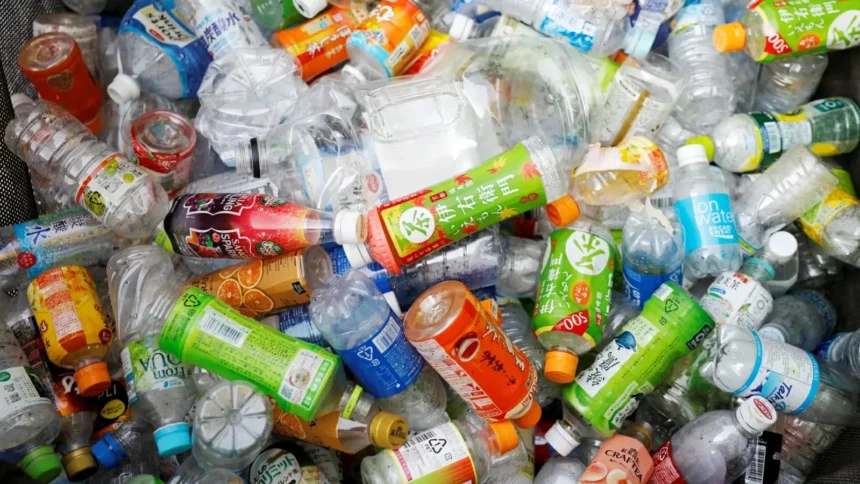
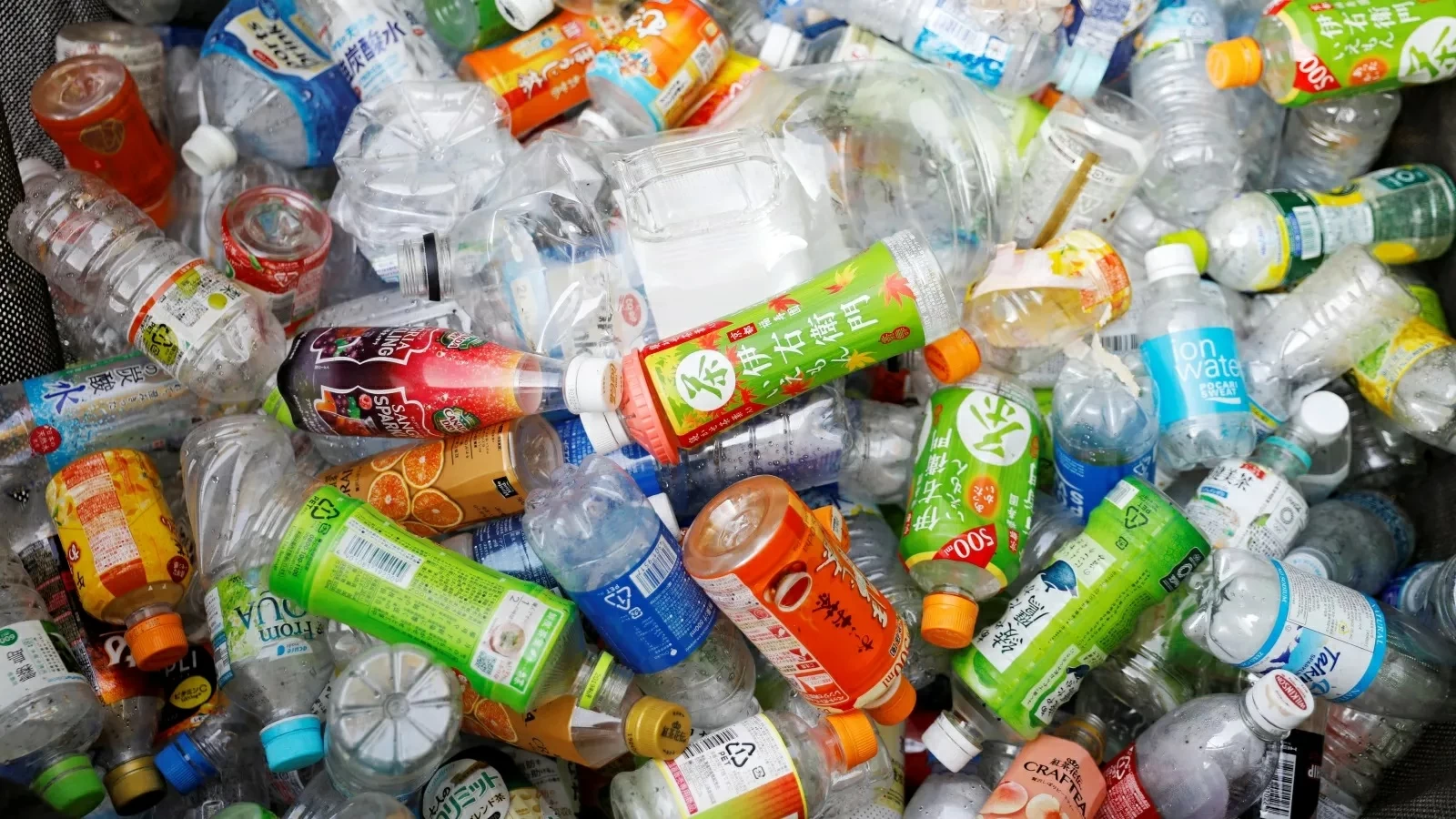
في قفزة علمية واستثنائية تجسد مفهوم التحول البيئي والابتكار الكيميائي، أعلن علماء معهد كيمياء النفط بفرع أكاديمية العلوم الروسية في سيبيريا عن تطوير تقنية ثورية قادرة على معالجة أزمة التلوث البلاستيكي عالمياً، عبر تحويل القمامة والبوليمرات الصلبة إلى وقود ديزل وبنزين عالي الجودة.
وترتكز الهندسة الكيميائية للمشروع على إخضاع البلاستيك الصلب لدرجات حرارة هائلة تصل إلى 475 درجة مئوية داخل مفاعلات خاصة، لتفكيك سلاسل الهيدروكربونات البوليمرية الطويلة وتحويلها إلى مشتقات نفطية سائلة، عبر آلية تحاكي عمليات تكرير النفط الخام وتستخلص منه الوقود الخفيف بأعلى كفاءة ممكنة.
وفجرت الباحثة أوليانا فرولوفا مفاجأة باكتشاف ميزة استثنائية تجعل العملية خالية تماماً من النفايات، حيث استغل الفريق البحثي «فحم الكوك» (وهو الراسب الكربوني الصلب الذي كان يُهدر سابقاً) ليُعاد استخدامه كعامل محفز ومادة ماصة داخل المفاعل، مما ضاعف إنتاجية البنزين والديزل الشتوي الصالح للعمل في أقصى الظروف القاسية.
ويفتح هذا الابتكار آفاقاً واعدة لحماية الغلاف الجوي والبيئة، نظراً لخلو البلاستيك من المركبات الكبريتية وتفادي انبعاثات كبريتيد الهيدروجين السامة، بما يحول أطنان النفايات البلاستيكية المكدسة من عبء بيئي مظلم إلى مورد طاقة استراتيجي وثمين.
In a scientific and exceptional leap that embodies the concept of environmental transformation and chemical innovation, scientists at the Oil Chemistry Institute of the Russian Academy of Sciences in Siberia announced the development of a revolutionary technology capable of addressing the global plastic pollution crisis by converting waste and solid polymers into high-quality diesel and gasoline fuel.
The chemical engineering of the project is based on subjecting solid plastic to immense temperatures reaching up to 475 degrees Celsius inside special reactors, to break down long polymer hydrocarbon chains and convert them into liquid petroleum derivatives, through a mechanism that mimics crude oil refining processes and extracts light fuel with the highest possible efficiency.
Researcher Olyana Frolova surprised everyone by discovering an exceptional feature that makes the process completely waste-free, as the research team utilized “coke” (the solid carbon residue that was previously wasted) to be reused as a catalyst and absorbent material inside the reactor, which doubled the productivity of gasoline and winter diesel suitable for operation in the harshest conditions.
This innovation opens promising horizons for protecting the atmosphere and the environment, given that plastic is free of sulfur compounds and avoids the emissions of toxic hydrogen sulfide, transforming tons of piled plastic waste from a dark environmental burden into a strategic and valuable energy resource.