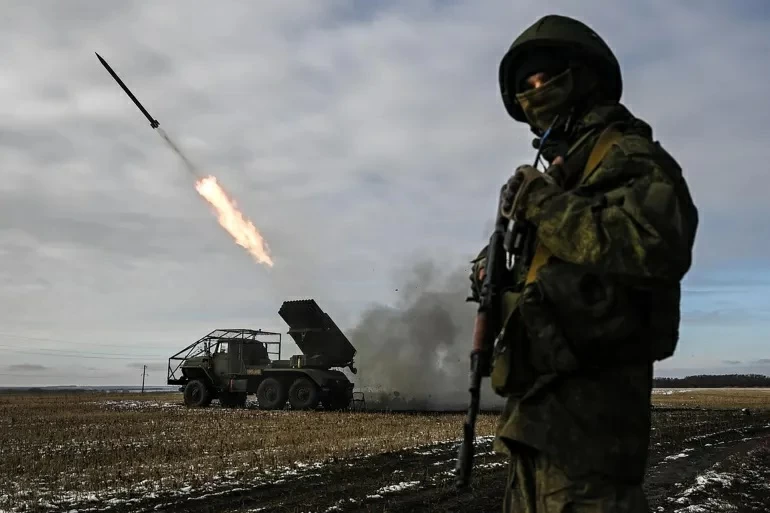
تحت غطاء الأحلام الوردية وفرص العمل المدنية المريحة في مجالات الأمن والإدارة، سقط العشرات من الشباب المسلمين في فخاخ شبكات تجنيد سرية، ليجدوا أنفسهم فجأة في قلب أتون المعارك المشتعلة على جبهات القتال الأوكرانية! فقد تحولت الوعود البراقة بمرتبات مغرية ومستقبل أفضل إلى كابوس مرعب، بعد أن استدرجت حيل الخداع والتضليل سائقي سيارات وأشخاصاً عاديين من العاصمة الإندونيسية جاكرتا نحو محارق الموت والخطوط الأمامية الروسية.
ولم تمض تلك المآسي دون صدى حكومي، إذ وجهت إندونيسيا صفعة دبلوماسية قوية لموسكو مطالبة بوقف فوري لتجنيد مواطنيها. وجاء هذا التحرك عقب تقارير مرعبة كشفت قفزة جنونية في أعداد الإندونيسيين المنضمين للجيش الروسي ليبلغوا 283 شخصاً هذا العام وحده، صعوداً من تسعة أشخاص فقط خلال العامين الماضيين، وسط مخاوف عارمة من استغلال ظروف الشباب المعيشية بأساليب احتيالية معقدة.
وبينما تحاول السلطات الإندونيسية التحقق من مصير مواطنيها المفقودين والتأكد من ملابسات مقتل السائق توفيق محمد فور وصوله لمعركته الأولى، شددت جاكرتا على ضرورة إعفائها رسمياً من التجنيد الروسي. وفي الوقت الذي تلتزم فيه السفارة الروسية في جاكرتا الصمت، يظل التساؤل المؤلم يحوم في الأفق: كم شاباً آخر ينتظر مصيراً مجهولاً خلف ستارة «الوظائف الوهمية»؟
Under the cover of rosy dreams and comfortable civil job opportunities in the fields of security and administration, dozens of young Muslims fell into the traps of secret recruitment networks, finding themselves suddenly in the heart of the raging battles on the Ukrainian frontlines! The shiny promises of attractive salaries and a better future turned into a terrifying nightmare, as the deceptive tricks lured drivers and ordinary people from the Indonesian capital, Jakarta, towards the furnaces of death and the Russian front lines.
These tragedies did not go unnoticed by the government, as Indonesia delivered a strong diplomatic slap to Moscow, demanding an immediate halt to the recruitment of its citizens. This move came after horrifying reports revealed a staggering jump in the number of Indonesians joining the Russian army, reaching 283 individuals this year alone, up from just nine people over the past two years, amid widespread fears of exploiting the living conditions of youth through complex fraudulent methods.
While Indonesian authorities are trying to verify the fate of their missing citizens and ascertain the circumstances surrounding the death of driver Tawfiq Muhammad upon his arrival at his first battle, Jakarta emphasized the necessity of being officially exempted from Russian recruitment. As the Russian embassy in Jakarta remains silent, the painful question lingers in the air: how many more young men are awaiting an unknown fate behind the curtain of “fake jobs”?