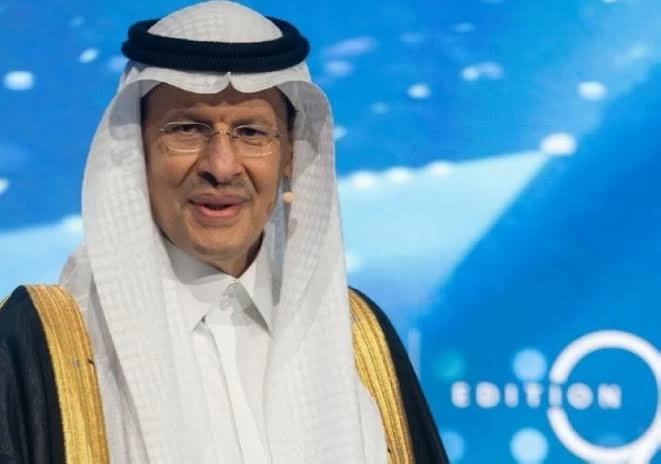
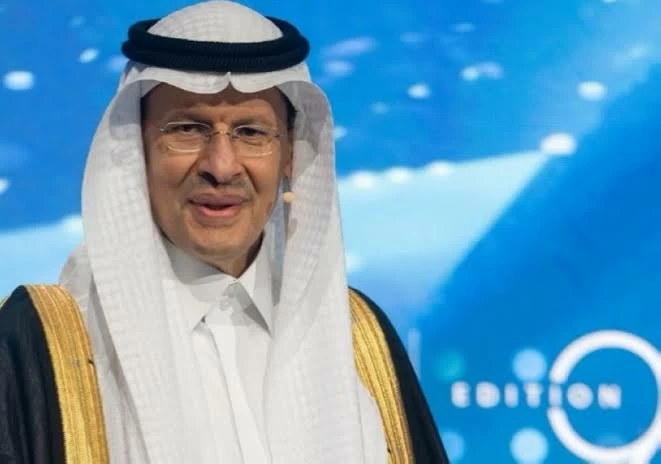
أكد وزير الطاقة ووزير الصناعة والثروة المعدنية الأمير عبدالعزيز بن سلمان أهمية تعزيز التعاون الدولي لخفض الانبعاثات ومواجهة التغير المناخي، مشدداً على ضرورة تحقيق التوازن بين أهداف العمل المناخي وأمن الطاقة والتنمية الاقتصادية. وأوضح الأمير عبدالعزيز بن سلمان خلال مشاركته في مؤتمر الأمم المتحدة للمناخ (COP31) بمدينة أنطاليا التركية، أن قدرات مشاريع الطاقة المتجددة قيد التطوير في المملكة بلغت نحو 79 غيغاواط، فيما تستهدف المملكة رفع قدرات احتجاز الكربون وتخزينه إلى 44 مليون طن سنوياً خلال العقد القادم، بالتوازي مع دورها في توفير إمدادات طاقة موثوقة وميسرة التكلفة.
خفض الانبعاثات بغض النظر عن مصدرها
وقال الأمير عبدالعزيز بن سلمان: «على مدى أكثر من ثلاثة عقود من العمل الدولي أثبتت قدرة التعاون المشترك على إحراز تقدم في مواجهة التغير المناخي». وأوضح أن اتفاق باريس يظل الإطار الأساسي لمواصلة هذا التقدم مع مراعاة اختلاف الظروف الوطنية والمسارات التنموية للدول. وقال: “تؤكد المملكة أن ما يجمع الدول هو الهدف المشترك المتمثل في خفض الانبعاثات، وليس بالضرورة اتباع المسار ذاته، موضحاً أن الغاية هي خفض الانبعاثات بغض النظر عن مصدرها، من خلال الاستفادة من جميع الحلول والتقنيات المتاحة.
الحفاظ على أمن الطاقة
وأشار وزير الطاقة إلى أن التوسع في استخدام الكهرباء لا يؤدي بالضرورة إلى خفض الانبعاثات ما لم تؤخذ مصادر إنتاج الكهرباء في الاعتبار، مؤكداً أهمية منح الدول المرونة لاختيار المسارات التي تناسب ظروفها الوطنية وأولوياتها التنموية، مع الحفاظ على أمن الطاقة ودعم النمو الاقتصادي. وشدد على أن تحقيق الأهداف المناخية يتطلب تمكين الدول النامية من الوصول إلى التمويل والتقنيات الحديثة، إلى جانب تعزيز قدراتها على التكيف مع آثار التغير المناخي.
تعاون دولي لمواجهة التحديات المناخية
وأضاف وزير الطاقة: «إن التطورات الجيوسياسية الراهنة أكدت صحة ما كانت المملكة تؤكد عليه خلال السنوات الماضية، وهو أن السعي إلى تحقيق الحياد الصفري دون مراعاة متطلبات أمن الطاقة قد يؤدي إلى تقويضه». وذكر أن مواجهة التحديات المناخية العالمية تتطلب تعاوناً دولياً واسعاً، وليس إجراءات أحادية يمكن أن تقيد التجارة أو تحد من الخيارات التنموية المتاحة للدول. وأكد أن الإجراءات الرامية إلى حماية المناخ يجب ألا تتحول إلى عوائق تحد من قدرة الدول على تحقيق مستهدفات وطموحات العمل المناخي بالتوازي مع تحقيق التنمية المستدامة والقضاء على الفقر.
المملكة ملتزمة باتفاقية تغير المناخ واتفاق باريس
وأشار الأمير عبدالعزيز بن سلمان، إلى أهمية التعاون متعدد الأطراف والحفاظ على نظام اقتصادي دولي منفتح يدعم التنمية ويضمن انتقالاً عادلاً نحو مستقبل منخفض الانبعاثات. وأوضح أن المملكة ترجمت هذه المبادئ إلى خطوات عملية من خلال نهج متوازن يجمع بين خفض الانبعاثات وأمن الطاقة والتنمية المستدامة، ويستند إلى مفهوم الاقتصاد الكربوني الدائري الذي قدمته المملكة خلال رئاستها لمجموعة العشرين في عام 2020. وفي ختام كلمته، جدد الأمير عبدالعزيز بن سلمان التزام المملكة باتفاقية الأمم المتحدة الإطارية بشأن تغير المناخ واتفاق باريس، مؤكداً أن نجاح العمل المناخي لا يتحقق عبر فرض مسار واحد على جميع الدول، بل من خلال تحقيق نتائج مشتركة عبر مسارات متعددة تراعي ظروف الدول المختلفة، وتحمي المناخ وتدعم التنمية المستدامة.
The Minister of Energy and Minister of Industry and Mineral Resources, Prince Abdulaziz bin Salman, emphasized the importance of enhancing international cooperation to reduce emissions and address climate change, stressing the need to achieve a balance between climate action goals, energy security, and economic development. During his participation in the United Nations Climate Conference (COP31) in Antalya, Turkey, Prince Abdulaziz bin Salman explained that the capacity of renewable energy projects under development in the Kingdom has reached approximately 79 gigawatts, while the Kingdom aims to increase carbon capture and storage capacity to 44 million tons annually over the next decade, alongside its role in providing reliable and cost-effective energy supplies.
Reducing emissions regardless of their source
Prince Abdulaziz bin Salman stated, “Over more than three decades of international work, the ability of joint cooperation to make progress in addressing climate change has been proven.” He clarified that the Paris Agreement remains the fundamental framework for continuing this progress while considering the differing national circumstances and developmental pathways of countries. He said, “The Kingdom affirms that what unites countries is the common goal of reducing emissions, not necessarily following the same path,” explaining that the goal is to reduce emissions regardless of their source, by utilizing all available solutions and technologies.
Maintaining energy security
The Minister of Energy pointed out that the expansion of electricity use does not necessarily lead to a reduction in emissions unless the sources of electricity production are taken into account, emphasizing the importance of granting countries the flexibility to choose pathways that suit their national circumstances and developmental priorities while maintaining energy security and supporting economic growth. He stressed that achieving climate goals requires enabling developing countries to access financing and modern technologies, alongside enhancing their capacities to adapt to the impacts of climate change.
International cooperation to address climate challenges
The Minister of Energy added, “Current geopolitical developments have confirmed the validity of what the Kingdom has been emphasizing over the past years, which is that the pursuit of achieving net zero without considering energy security requirements may undermine it.” He noted that addressing global climate challenges requires broad international cooperation, not unilateral measures that could restrict trade or limit the developmental options available to countries. He affirmed that measures aimed at protecting the climate should not become obstacles that hinder countries’ ability to achieve climate action targets and ambitions while also achieving sustainable development and eradicating poverty.
The Kingdom is committed to the Climate Change Agreement and the Paris Agreement
Prince Abdulaziz bin Salman pointed to the importance of multilateral cooperation and maintaining an open international economic system that supports development and ensures a fair transition to a low-emission future. He explained that the Kingdom has translated these principles into practical steps through a balanced approach that combines emission reductions, energy security, and sustainable development, based on the concept of a circular carbon economy that the Kingdom presented during its presidency of the G20 in 2020. In conclusion, Prince Abdulaziz bin Salman reaffirmed the Kingdom’s commitment to the United Nations Framework Convention on Climate Change and the Paris Agreement, emphasizing that the success of climate action is not achieved by imposing a single pathway on all countries, but rather through achieving shared results via multiple pathways that consider the different circumstances of countries, protect the climate, and support sustainable development.