تشهد إيطاليا، الجمعة، موجة جديدة من الاحتجاجات والإضرابات في عدد من المدن الكبرى، بينها روما وميلانو وتورينو وبولونيا وباليرمو، وسط استنفار أمني ومخاوف من تجدد أعمال العنف التي شهدتها البلاد خلال الأسبوعين الماضيين، ولا سيما في مدينة ميلانو.
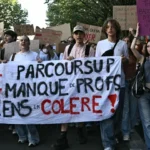
وتأتي التحركات الجديدة في إطار إضراب عام دعت إليه نقابات عمالية، احتجاجا على ارتفاع تكاليف المعيشة وتراجع القدرة الشرائية، فضلا عن الاعتراض على زيادة الإنفاق العسكري وتوجيه مزيد من الأموال إلى التسلح على حساب الخدمات العامة والصحة والتعليم.
وتمتد الدعوة إلى التحرك إلى أكثر من 50 مدينة إيطالية، بمشاركة عمال وطلاب ونشطاء، فيما تستعد العاصمة روما لاستضافة تظاهرة رئيسية، بالتزامن مع تحركات في المراكز الحضرية والصناعية الأخرى.
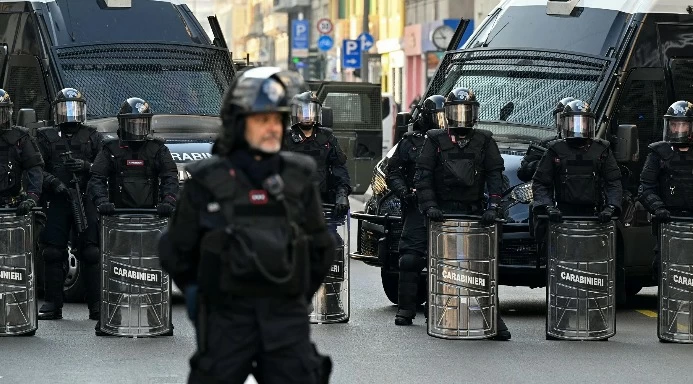
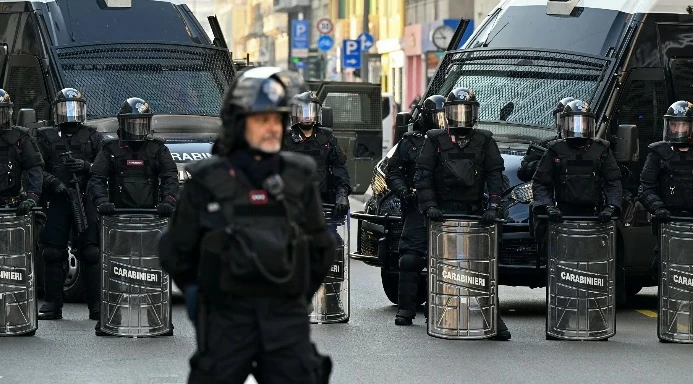
وقال وزير الداخلية الإيطالي ماتيو بيانتيدوزي إن الأجهزة الأمنية في حالة تأهب تحسبا لوقوع اضطرابات خلال الاحتجاجات، على خلفية أعمال العنف التي شهدتها مدن إيطالية خلال عطلات نهاية الأسبوع الماضية، لكنه أكد أن مستوى الاستنفار لا يتجاوز ما تعاملت معه السلطات في السابق.
وأشار الوزير إلى وجود مخاوف من أساليب التعبئة التي تستخدمها بعض المجموعات لحشد المتظاهرين في الشوارع، معربا عن ثقته في قدرة القيادات الأمنية المحلية وقوات الشرطة على التعامل مع التطورات، بما في ذلك الأحداث غير المتوقعة.
وتراقب السلطات بشكل خاص التحركات في ميلانو، التي شهدت في 17 و18 أكتوبر الماضي مواجهات عنيفة بين متظاهرين وقوات الشرطة، تحولت خلالها بعض مناطق وسط المدينة إلى ساحات اشتباك، تخللتها أعمال تخريب ونهب وإضرام النيران في ممتلكات عامة وخاصة.
وأظهرت مشاهد الاحتجاجات آنذاك مواجهات بين مجموعات من الشباب الملثمين وعناصر الشرطة، التي استخدمت الغاز المسيل للدموع وخراطيم المياه لتفريق المتظاهرين، فيما تعرضت متاجر ومنشآت في وسط المدينة لأعمال تخريب، وأُصيب نحو 25 شخصا، بينهم 10 من أفراد قوات الأمن، بحسب تقارير إعلامية إيطالية.
وامتدت التوترات بعد ذلك إلى مدن أخرى، إذ شهدت تورينو وروما وبولونيا اشتباكات بين الشرطة ومجموعات من المتظاهرين خلال تحركات 24 أكتوبر، استخدمت خلالها قوات الأمن الغاز المسيل للدموع وخراطيم المياه، بعد إلقاء زجاجات وألعاب نارية وأشياء مختلفة باتجاه عناصر الشرطة.
وفي مواجهة المخاوف من تكرار هذه المشاهد، عززت الحكومة الإيطالية الإجراءات الأمنية، وقررت نشر 500 جندي إضافي في ميلانو، إلى جانب القوات الموجودة بالفعل، مع تكثيف المراقبة الأمنية واستخدام الطائرات المسيرة وتوسيع عمليات التفتيش في محيط المحطات والمناطق الحيوية.
ولا تقتصر تداعيات تحركات اليوم على الجانب الأمني، إذ يتزامن الإضراب العام مع احتمالات حدوث اضطرابات في قطاعات النقل والتعليم والصحة والخدمات العامة، رغم صدور قرار من وزير النقل ماتيو سالفيني بتأجيل إضرابات النقل في عدد من القطاعات، وهو ما رفضه اتحاد النقابات القاعدية الذي تمسك بدعوته إلى الإضراب.
وتتمحور مطالب المحتجين حول زيادة الأجور بما يتناسب مع معدلات التضخم، وخفض أسعار السلع الأساسية وفواتير الطاقة والإيجارات، إلى جانب الاعتراض على تخصيص موارد مالية إضافية للإنفاق العسكري، في وقت ترى فيه النقابات أن الخدمات الاجتماعية والقطاعات العامة تعاني نقصا في التمويل.
وتضع هذه الاحتجاجات حكومة رئيسة الوزراء جورجيا ميلوني أمام تحديين متزامنين؛ أولهما احتواء التوترات الأمنية ومنع تكرار أعمال التخريب والاعتداءات على الشرطة، والثاني التعامل مع حالة الاستياء الاجتماعي المرتبطة بارتفاع تكاليف المعيشة وتراجع القدرة الشرائية، في ظل اتساع رقعة التحركات النقابية والطلابية.
Italy is witnessing a new wave of protests and strikes on Friday in several major cities, including Rome, Milan, Turin, Bologna, and Palermo, amid heightened security and fears of renewed violence that the country experienced over the past two weeks, particularly in Milan.
These new movements come as part of a general strike called by labor unions in protest against rising living costs and declining purchasing power, as well as opposition to increased military spending and the diversion of more funds to armament at the expense of public services, health, and education.
The call for action extends to more than 50 Italian cities, with participation from workers, students, and activists, while the capital, Rome, is preparing to host a major demonstration, coinciding with movements in other urban and industrial centers.
Italian Interior Minister Matteo Piantedosi stated that security forces are on alert in anticipation of disturbances during the protests, following the violence witnessed in Italian cities over the past weekends, but he confirmed that the level of alert does not exceed what authorities have dealt with in the past.
The minister pointed out concerns regarding the mobilization tactics used by some groups to rally demonstrators in the streets, expressing confidence in the ability of local security leaders and police forces to handle developments, including unexpected events.
Authorities are particularly monitoring movements in Milan, which experienced violent clashes between demonstrators and police on October 17 and 18, during which some areas of the city center turned into battlegrounds, marked by acts of vandalism, looting, and arson of public and private properties.
Footage from the protests at that time showed confrontations between groups of masked youths and police officers, who used tear gas and water cannons to disperse the demonstrators, while shops and facilities in the city center were vandalized, and around 25 people were injured, including 10 members of the security forces, according to Italian media reports.
The tensions then spread to other cities, as Turin, Rome, and Bologna witnessed clashes between police and groups of demonstrators during the movements on October 24, where security forces used tear gas and water cannons after bottles, fireworks, and various objects were thrown at police officers.
In response to fears of a repeat of these scenes, the Italian government has reinforced security measures and decided to deploy an additional 500 soldiers in Milan, alongside the forces already present, while intensifying security surveillance and using drones and expanding inspection operations around stations and vital areas.
The repercussions of today’s movements are not limited to security, as the general strike coincides with the likelihood of disruptions in transportation, education, health, and public services, despite a decision from Transport Minister Matteo Salvini to postpone transport strikes in several sectors, which was rejected by the grassroots union federation that insisted on its call for a strike.
The protesters’ demands center around increasing wages in line with inflation rates, reducing the prices of essential goods, energy bills, and rents, along with opposing the allocation of additional financial resources for military spending, at a time when unions see that social services and public sectors are suffering from a lack of funding.
These protests present Prime Minister Giorgia Meloni’s government with two simultaneous challenges; the first is to contain security tensions and prevent a recurrence of vandalism and assaults on police, and the second is to address the social discontent linked to rising living costs and declining purchasing power, amid the expanding scope of union and student movements.