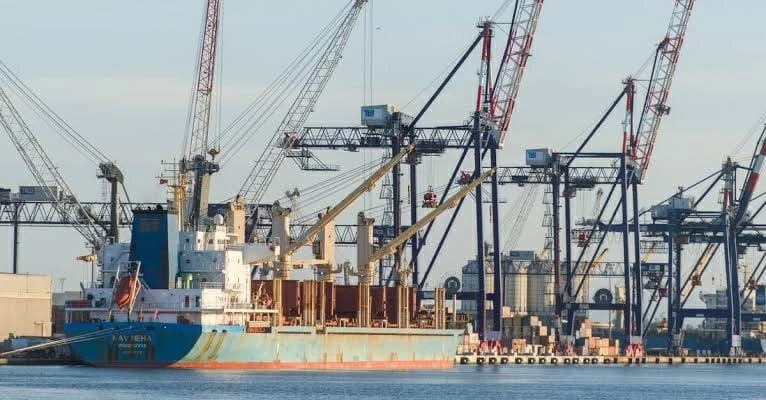
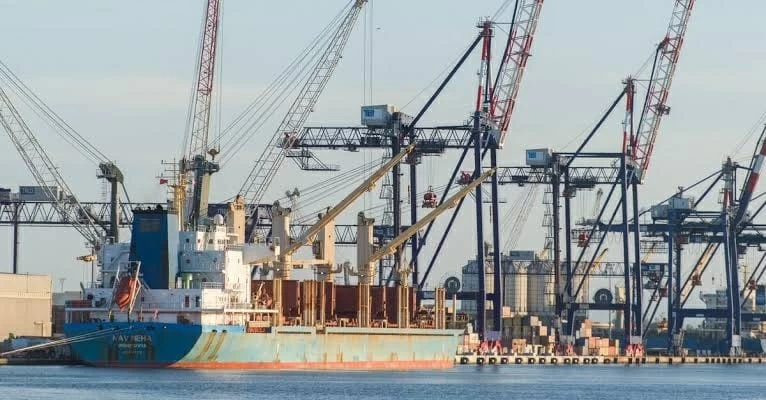
في تحرك احتجاجي عابر للحدود، شهدت موانئ في أوروبا ودول أخرى، اليوم (الجمعة)، إضرابات وتظاهرات نظمها عمال الموانئ، رفضاً لنقل شحنات الأسلحة والمعدات العسكرية، ومطالبةً بإنهاء الحروب في الشرق الأوسط، بما فيها الحرب في قطاع غزة، إلى جانب تحسين الأجور وظروف العمل وتعزيز إجراءات السلامة.
وأعلنت نقابات عمالية في فرنسا وإيطاليا واليونان وإسبانيا وتركيا والمغرب تنسيق تحرك دولي تحت شعار وقف عسكرة الموانئ، مؤكدةً ضرورة عدم استخدامها لنقل الأسلحة والذخائر والمعدات العسكرية والقوات.
وبحسب وكالة أسوشيتد برس، قالت النقابات في بيان مشترك: «الموانئ يجب ألا تُستخدم لنقل الأسلحة والذخائر والمعدات العسكرية والجنود»، مضيفةً: «عمال الموانئ لا يعملون من أجل الحرب».
وأكد منظمو الاحتجاجات، انضمام أكثر من 100 ميناء في عدة دول إلى التحرك، وسط توقعات بتأثر عمليات الشحن والتفريغ والخدمات البحرية في مناطق من أوروبا والبحر المتوسط وأمريكا الشمالية.
إضرابات في موانئ كبرى باليونان وإيطاليا وفرنسا
ففي اليونان، دعت نقابة عمال الموانئ «ENEDEP» إلى إضراب في ميناء بيرايوس، أكبر موانئ البلاد، ضمن يوم التحرك الدولي، وتزامن ذلك مع إضراب منفصل لعمال الملاحة البحرية، احتجاجاً على تدني الأجور وظروف العمل وضعف إجراءات السلامة، ما أدى إلى بقاء سفن راسية في عدد من الموانئ وتعطيل خدمات العبارات.
وفي مدينة إسطنبول التركية، تجمع محتجون أمام ميناء حيدر باشا، رافعين لافتات كُتب عليها: «لا للحرب.. لا للتسلح!».
أما في إيطاليا، فأعلنت نقابة القاعدة النقابية الموحدة (USB) تنظيم مظاهرات في موانئ رئيسية، بينها جنوة وترييستي وجويا تاورو، بالتزامن مع إضراب عام على مستوى البلاد دعت إليه نقابات كبرى، احتجاجاً على ارتفاع تكاليف المعيشة وانخفاض الأجور والإنفاق العسكري.
وفي فرنسا، دعت اتحادات عمال الموانئ والأرصفة التابعة لنقابة «CGT» إلى إضراب لمدة يوم واحد في موانئ رئيسية، من بينها لوهافر ومرسيليا ودونكيرك وروان، رفضاً لما وصفته بـ«عسكرة المنشآت المينائية» في إطار السياسات الأوروبية، إلى جانب الاعتراض على مقترحات الموازنة الحكومية الفرنسية، التي ترى النقابة أنها تهدد منظومة الحماية الاجتماعية.
ولم تتضح بعد الحصيلة النهائية للتعطيلات، إذ توقع المنظمون تفاوت المشاركة بين إضرابات تستمر يوماً كاملاً، وانسحابات مؤقتة من العمل وتظاهرات محدودة.
تحذيرات من تأخر الشحنات.. وتأثير محدود على التجارة العالمية
وفي ظل التحركات الاحتجاجية، أصدرت شركة إدارة سلاسل الإمداد «C.H. Robinson» تنبيهاً لعملائها، حذرت فيه من احتمال حدوث اضطرابات تشغيلية وتأخر في الشحنات بالموانئ المشاركة، موضحةً أن مدة التأخير وحجمه سيختلفان بحسب الميناء والمحطة ومستوى المشاركة المحلية في الإضراب.
ورغم ذلك، رجح خبراء أن يكون تأثير الإضرابات على سلاسل الإمداد العالمية محدوداً، مع احتمال تعرض بعض الشحنات الحساسة للتوقيت والسلع سريعة التلف لمشكلات أكبر.
وقال الرئيس العالمي لقطاع الشحن البحري والبضائع والخدمات اللوجستية لدى شركة التأمين وإدارة المخاطر «Marsh»، ماركوس بيكر، إن إضراباً يستمر 24 ساعة من غير المرجح أن يتسبب في اضطراب جوهري للتجارة العالمية، لكنه قد يؤثر في نقل المنتجات سريعة التلف والشحنات التي ترتبط بمواعيد تسليم دقيقة.
وحذر بيكر من أن التحرك يضيف مزيداً من التعقيد إلى سلاسل الإمداد التي تواجه بالفعل ضغوطاً بسبب التوترات الجيوسياسية في الشرق الأوسط، والظواهر المناخية المرتبطة بتغير المناخ، بما فيها ظاهرة «إل نينيو»، فضلاً عن القيود التي تؤثر على الملاحة في نهر الراين وقناة بنما، والتغيرات المستمرة في أنظمة الرسوم الجمركية.
من جانبه، قال رئيس قسم الأبحاث في منصة الشحن البحري الإلكترونية «Freightos»، يهوذا ليفين، إن الإضراب قد يزيد الازدحام في بعض الموانئ، خصوصاً ميناء جنوة الإيطالي، حيث تنتظر السفن بالفعل ما بين يوم ويومين للحصول على موعد للرسو.
بدوره، استبعد أستاذ إدارة سلاسل الإمداد والعمليات في كلية ماكومبس للأعمال بجامعة تكساس، إد أندرسون، أن تتسبب الاحتجاجات في نقص فعلي بالسلع، مشيراً إلى أن توقف العمل ليوم واحد لا يمثل فترة طويلة بما يكفي لإحداث اضطرابات كبيرة.
وأضاف أن التأثير المحتمل يظل محدوداً مقارنة بحجم حركة التجارة العالمية، رغم إمكانية حدوث تأخيرات محلية في عمليات الشحن والتفريغ.
In a cross-border protest movement, ports in Europe and other countries witnessed strikes and demonstrations organized by dockworkers today (Friday), rejecting the transfer of arms and military equipment shipments, and demanding an end to wars in the Middle East, including the war in the Gaza Strip, along with improved wages, working conditions, and enhanced safety measures.
Labor unions in France, Italy, Greece, Spain, Turkey, and Morocco announced coordination for an international movement under the slogan “Stop the Militarization of Ports,” emphasizing the necessity of not using them for transporting arms, ammunition, military equipment, and troops.
According to the Associated Press, the unions stated in a joint statement: “Ports should not be used to transport arms, ammunition, military equipment, and soldiers,” adding: “Dockworkers do not work for war.”
Protest organizers confirmed that more than 100 ports in several countries joined the movement, with expectations of disruptions to shipping, unloading operations, and maritime services in areas of Europe, the Mediterranean, and North America.
Strikes in Major Ports in Greece, Italy, and France
In Greece, the dockworkers’ union “ENEDEP” called for a strike at the Port of Piraeus, the largest port in the country, as part of the international day of action, coinciding with a separate strike by maritime workers protesting low wages, working conditions, and weak safety measures, which led to ships remaining docked in several ports and disrupted ferry services.
In Istanbul, Turkey, protesters gathered in front of Haydarpaşa Port, holding banners that read: “No to war.. No to armament!”.
In Italy, the Unified Trade Union Base (USB) announced the organization of demonstrations in major ports, including Genoa, Trieste, and Gioia Tauro, coinciding with a nationwide general strike called by major unions, protesting rising living costs, falling wages, and military spending.
In France, dockworkers’ and port unions affiliated with the “CGT” called for a one-day strike in major ports, including Le Havre, Marseille, Dunkirk, and Rouen, in rejection of what they described as the “militarization of port facilities” under European policies, alongside objections to proposals in the French government budget, which the union believes threaten the social protection system.
The final tally of disruptions remains unclear, as organizers expect varying participation between full-day strikes, temporary work withdrawals, and limited demonstrations.
Warnings of Shipment Delays.. Limited Impact on Global Trade
Amid the protest movements, the supply chain management company “C.H. Robinson” issued a warning to its clients, cautioning about potential operational disruptions and delays in shipments at participating ports, explaining that the duration and extent of delays will vary depending on the port, terminal, and level of local participation in the strike.
Nevertheless, experts suggested that the impact of the strikes on global supply chains would be limited, with some sensitive time-sensitive shipments and perishable goods likely facing greater issues.
Markus Becker, the global head of marine shipping, cargo, and logistics services at the insurance and risk management company “Marsh,” stated that a 24-hour strike is unlikely to cause significant disruption to global trade, but it may affect the transport of perishable products and shipments tied to precise delivery schedules.
Becker warned that the movement adds further complexity to supply chains already facing pressures due to geopolitical tensions in the Middle East, climate-related phenomena including “El Niño,” as well as restrictions affecting navigation in the Rhine River and the Panama Canal, and ongoing changes in customs tariff systems.
For his part, Yehuda Levin, head of research at the electronic shipping platform “Freightos,” indicated that the strike could increase congestion in some ports, particularly the Italian port of Genoa, where ships are already waiting between one and two days for a docking appointment.
Ed Anderson, a professor of supply chain management and operations at the McCombs School of Business at the University of Texas, ruled out the possibility that the protests would cause an actual shortage of goods, noting that a one-day work stoppage is not long enough to create significant disruptions.
He added that the potential impact remains limited compared to the scale of global trade, despite the possibility of local delays in shipping and unloading operations.