قدمت الباحثة الكيميائية آلاء محمود في كتابها «رواية الجزيئات» الصادر عام 2026 قراءة علمية وثقافية لعدد من الظواهر والتفاعلات الكيميائية المرتبطة بحياة الإنسان اليومية من خلال 200 صفحة تناولت فيها موضوعات تتصل بالغذاء والدواء والمشاعر الإنسانية والاكتشافات العلمية وأثر الكيمياء في تطور المجتمعات.
ويضم الكتاب مجموعة من المقالات العلمية التي اعتمدت فيها المؤلفة على تبسيط المفاهيم الكيميائية وربطها بمواقف وتجارب مألوفة للقارئ مع الاستعانة بالشواهد العلمية والرسوم التوضيحية لتقديم مادة تجمع بين المعرفة العلمية والأسلوب الأدبي.
وتنطلق المؤلفة في كتابها من خبرتها العلمية والبحثية إذ تحمل درجة البكالوريوس في الكيمياء والماجستير في الكيمياء العضوية الصيدلانية من الجامعة الأردنية ولها عدد من الإسهامات البحثية في تحضير المركبات الكيميائية وتوصيفها ودراسة فعاليتها المضادة للميكروبات ومن بينها بحث منشور عام 2019 في دورية Current Chemistry Letters إلى جانب دراسة أخرى نشرت في ديسمبر 2020 في مجلة (Journal of the Indian Chemical Society) وتبحث في تخليق وتوصيف وتقييم الفعالية المضادة للميكروبات لبعض مشتقات مركبات الإندول، إضافة إلى مجموعة من البحوث الأخرى، إضافة إلى مشاركاتها في مؤتمرات علمية متخصصة وعملها في التدريس والمختبرات الكيميائية.
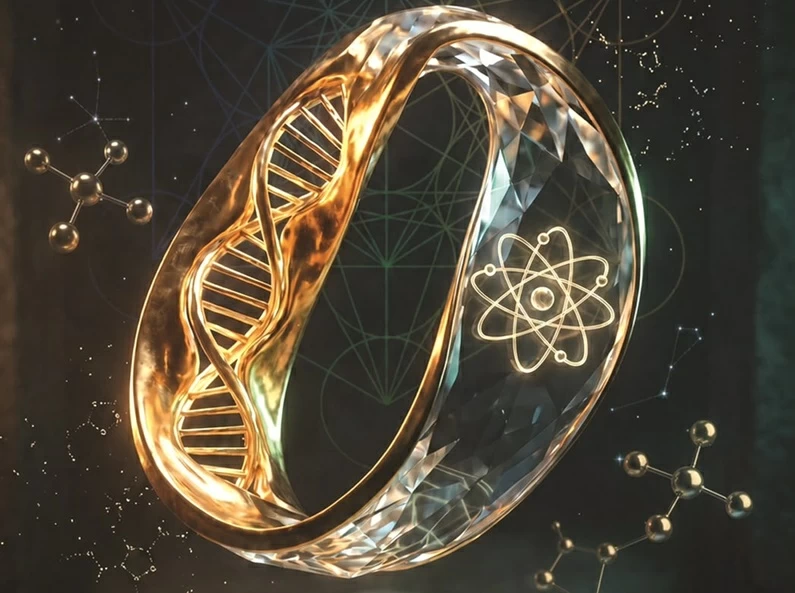
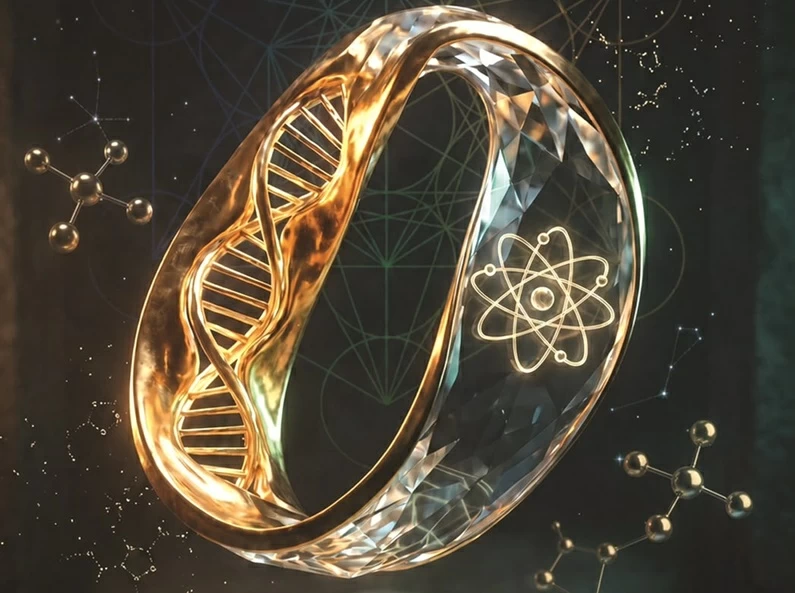
واستهلت المؤلفة موضوعات الكتاب بمقال “من الذرة إلى المجرة” الذي تناولت فيه العلاقة بين التفاعلات الكيميائية وأنظمة الكون قبل أن تنتقل إلى موضوع “التناغم الكيميائي للقهوة والشوكولاتة” مستعرضةً طبيعة المركبات الكيميائية التي تدخل في تكوينهما وتأثيراتها المختلفة.
وفي مقال “حين تتحدث الجزيئات بلغة المجتمع” ناقشت المؤلفة عدداً من التفاعلات الحيوية المرتبطة بالمشاعر الإنسانية ومنها الحب والسعادة والطمأنينة ودور الهرمونات والنواقل العصبية في التأثير على الحالة النفسية والسلوك الإنساني.
كما خصصت مساحة للحديث عن تفاعل ميلارد المسؤول عن جانب من النكهات والروائح الناتجة عن طهي الطعام وربطت بين هذه الظاهرة الكيميائية والذاكرة الاجتماعية وما تختزنه روائح الأطعمة من ذكريات مرتبطة بالمناسبات والعلاقات الأسرية.
وتناول الكتاب كذلك سيرة الكيميائية ستيفاني كوليك واكتشافها مادة الكيفلر المستخدمة في صناعة وسائل الحماية من الرصاص إلى جانب موضوعات عن الخيوط الجراحية القابلة للتحلل وكيمياء الأدوية وتطبيقات المركبات الكيميائية في المجالات الطبية والصناعية.
ورغم حمل الكتاب عنوان “رواية الجزيئات” فإنه لا يتخذ البناء الروائي المعروف القائم على الشخصيات والأحداث وإنما يقدم مقالات علمية وثقافية مستقلةً يجمع بينها اهتمام المؤلفة بالكيمياء وتطبيقاتها في الحياة.
ويلاحظ في أسلوب المؤلفة ميلها إلى الربط بين الحقائق العلمية والتأملات الإنسانية مع توظيف الأمثلة اليومية لتقريب الموضوعات من غير المتخصصين وإن كانت بعض المقارنات بين التفاعلات الكيميائية والعلاقات الاجتماعية تحمل طابعاً أدبياً أكثر من كونها تفسيراً علمياً مباشراً.
ويأتي الكتاب ضمن المؤلفات التي تتجه إلى نشر الثقافة العلمية خارج الأوساط الأكاديمية وتقديم المعرفة الكيميائية للقارئ العام من خلال موضوعات متنوعة تؤكد حضور هذا العلم في تفاصيل الحياة اليومية وأثره في تطور الطب والغذاء والصناعة.
The chemical researcher Alaa Mahmoud presented in her book “The Novel of Molecules,” published in 2026, a scientific and cultural reading of several chemical phenomena and reactions related to human daily life through 200 pages that addressed topics related to food, medicine, human emotions, scientific discoveries, and the impact of chemistry on the development of societies.
The book includes a collection of scientific articles in which the author simplified chemical concepts and connected them to familiar situations and experiences for the reader, utilizing scientific evidence and illustrations to present material that combines scientific knowledge with literary style.
The author draws on her scientific and research experience, holding a bachelor’s degree in chemistry and a master’s degree in pharmaceutical organic chemistry from the University of Jordan. She has several research contributions in the preparation and characterization of chemical compounds and studying their antimicrobial efficacy, including a published study in 2019 in the journal Current Chemistry Letters, along with another study published in December 2020 in the Journal of the Indian Chemical Society, which investigates the synthesis, characterization, and evaluation of the antimicrobial efficacy of some derivatives of indole compounds, in addition to a number of other research papers, as well as her participation in specialized scientific conferences and her work in teaching and chemical laboratories.
The author began the topics of the book with the article “From the Atom to the Galaxy,” in which she discussed the relationship between chemical reactions and the systems of the universe before moving on to the topic “The Chemical Harmony of Coffee and Chocolate,” reviewing the nature of the chemical compounds that make them up and their various effects.
In the article “When Molecules Speak the Language of Society,” the author discussed several biochemical reactions related to human emotions, including love, happiness, and tranquility, and the role of hormones and neurotransmitters in influencing psychological states and human behavior.
She also dedicated space to discuss the Maillard reaction, which is responsible for some of the flavors and aromas produced during cooking, linking this chemical phenomenon to social memory and what the smells of foods hold in terms of memories associated with occasions and family relationships.
The book also covers the biography of chemist Stephanie Kwolek and her discovery of Kevlar, used in the production of bulletproof materials, alongside topics about biodegradable surgical threads, pharmaceutical chemistry, and the applications of chemical compounds in medical and industrial fields.
Despite the book’s title “The Novel of Molecules,” it does not adopt the known narrative structure based on characters and events; rather, it presents independent scientific and cultural articles united by the author’s interest in chemistry and its applications in life.
The author’s style shows a tendency to connect scientific facts with human reflections, employing everyday examples to bring the topics closer to non-specialists, although some comparisons between chemical reactions and social relationships carry a more literary character than a direct scientific explanation.
The book is part of works aimed at disseminating scientific culture beyond academic circles and providing chemical knowledge to the general reader through diverse topics that affirm the presence of this science in the details of daily life and its impact on the development of medicine, food, and industry.